
Alcohol and Medications: Dangerous Interactions to Avoid
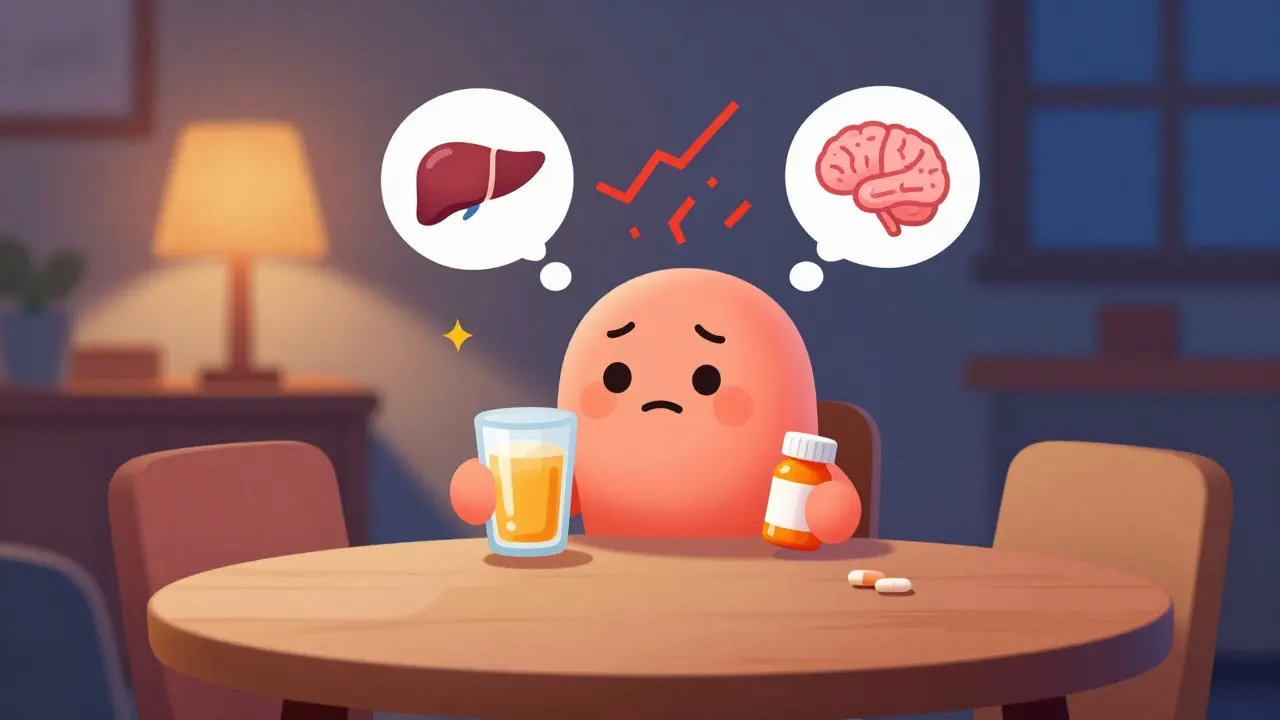
Alcohol & Medication Interaction Checker
How to use: Click on any medication you are currently taking (or have taken in the last few days) to check its interaction risk with alcohol.
You might think a single beer with dinner is harmless. But if you are taking certain prescription drugs or even common over-the-counter painkillers, that drink could be the difference between feeling fine and ending up in an emergency room. Alcohol-medication interactions are not just theoretical risks; they are a leading cause of preventable hospitalizations. According to the National Institute on Alcohol Abuse and Alcoholism (NIAAA), about 40% of adults took a medication in the past year that could interact negatively with alcohol. The problem isn't just that it feels bad; it's that these combinations can change how your body processes drugs, amplify side effects, or create toxic compounds that damage vital organs.
The Quick Summary: What You Need to Know
- Highest Risk: Opioids and benzodiazepines combined with alcohol can depress breathing to fatal levels.
- Liver Danger: Mixing acetaminophen (Tylenol) with alcohol creates a toxic metabolite that causes acute liver failure.
- Bleeding Risk: NSAIDs like ibuprofen plus alcohol increase gastrointestinal bleeding risk by 3-5 times.
- Hidden Traps: Even herbal remedies and antihistamines can have dangerous synergistic effects when mixed with drinks.
- Aging Factor: Adults over 65 are at significantly higher risk due to slower metabolism and increased medication use.
How Alcohol Messes With Your Body’s Chemistry
To understand why these combinations are so risky, you have to look at what happens inside your liver and brain. Alcohol doesn't just make you relaxed; it actively competes with other substances for processing power. This is known as a pharmacokinetic interaction. Your liver uses specific enzymes, particularly the cytochrome P450 system, to break down both alcohol and many medications. When you introduce alcohol into the mix, it can either speed up or slow down the breakdown of your medicine. If the breakdown slows, the drug stays in your system longer, leading to stronger side effects. If it speeds up, the drug leaves your body before it has time to work, rendering your treatment ineffective.
Then there is the central nervous system (CNS). Many medications, especially sedatives and painkillers, work by slowing down brain activity. Alcohol does the same thing. When you combine them, you get a pharmacodynamic interaction where the effects add up. It’s not just 1+1=2; sometimes it’s more like 1+1=3. This synergy can turn mild drowsiness into unconsciousness or, in worst-case scenarios, respiratory arrest. Dr. George Koob, Director of NIAAA, notes that combining alcohol with sedative medications increases the risk of falls, driving accidents, and fatal overdoses significantly. It’s a double whammy on your body’s ability to stay alert and breathe properly.
The Most Dangerous Combinations
Not all interactions are created equal. Some are merely uncomfortable, while others are life-threatening. Here is a breakdown of the highest-risk categories based on current medical data.
| Medication Class | Common Examples | Primary Risk Mechanism | Potential Outcome |
|---|---|---|---|
| Opioids | Methadone, Oxycodone, Codeine | CNS Depression & Respiratory Suppression | Fatal Overdose, Respiratory Failure |
| Benzodiazepines | Alprazolam, Diazepam | Additive CNS Depression | Sedation, Falls, Death |
| Acetaminophen | Tylenol, Percocet (APAP component) | Hepatotoxicity via NAPQI | Acute Liver Failure |
| NSAIDs | Ibuprofen, Naproxen | Gastrointestinal Irritation | Bleeding Ulcers, Kidney Stress |
| Metronidazole | Flagyl | Disulfiram-like Reaction | Severe Nausea, Vomiting, Palpitations |
Let’s start with the big ones: opioids and benzodiazepines. The CDC reported that 20% of overdose deaths involving opioids in 2020 also involved alcohol. It’s a deadly duo. Alcohol relaxes your muscles, including the diaphragm, which controls breathing. Opioids do the same. Together, they can stop your breathing in your sleep. A 2019 study in the Journal of Substance Abuse Treatment found that combining benzodiazepines with alcohol increases the risk of overdose by 24 times. That’s not a small margin; it’s a massive leap in danger.
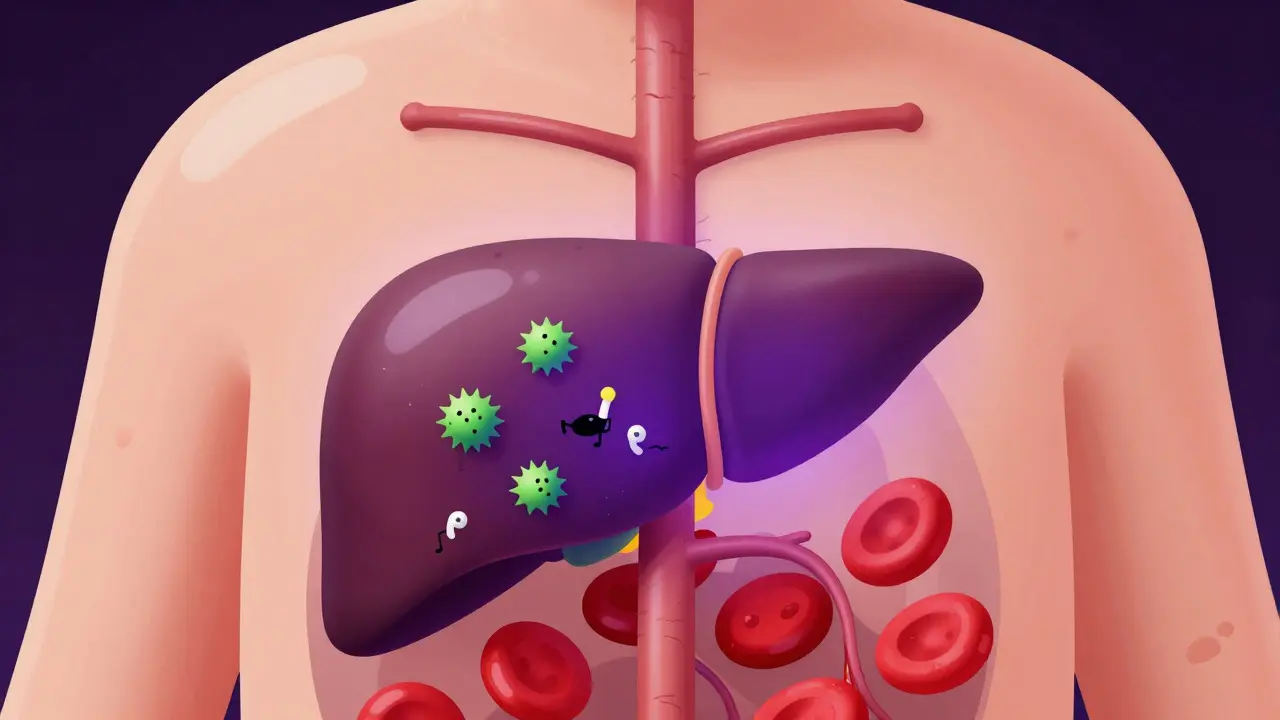
Next, consider acetaminophen. You probably take it for headaches or fever without thinking twice. But when mixed with alcohol, the liver produces a toxic byproduct called NAPQI. Normally, your body clears this out using glutathione. However, alcohol depletes your glutathione stores. Without enough glutathione, NAPQI accumulates and destroys liver cells. The FDA reports that acetaminophen overdose, often involving alcohol, leads to roughly 458 deaths annually in the U.S. alone. It’s a silent killer because you don’t feel sick until the liver is already severely damaged.
Hidden Risks in Common Medications
It’s easy to assume that only heavy-duty prescriptions are dangerous. But everyday meds carry their own traps. Take non-steroidal anti-inflammatory drugs (NSAIDs) like ibuprofen or naproxen. They irritate the stomach lining. Alcohol does too. When you combine them, the risk of gastrointestinal bleeding jumps by 3-5 times according to a 2017 meta-analysis. If you have a history of ulcers or gastritis, this combination is particularly hazardous.
What about antibiotics? Metronidazole (Flagyl) is a classic example. It blocks the enzyme that breaks down alcohol. So, if you drink while taking it, alcohol builds up in your blood, causing a disulfiram-like reaction. Symptoms include intense flushing, nausea, vomiting, and rapid heart rate. It’s miserable, but rarely fatal. However, it teaches a valuable lesson: always check the label. The Illinois Poison Center advises waiting at least 72 hours after finishing a course of metronidazole before having a drink.
Even antihistamines, which seem harmless, pose risks. Diphenhydramine (Benadryl) causes drowsiness. Add alcohol, and that drowsiness becomes profound. GoodRx documents that this combination intensifies dizziness and impairment. For drivers or operators of machinery, this is a serious safety concern. And let’s not forget ADHD medications like Adderall. While some people think stimulants counteract alcohol, the reality is messy. The combination can mask the signs of intoxication, leading you to drink more than intended. It also stresses the heart, potentially worsening existing cardiac issues.
Who Is Most At Risk?
While anyone can suffer from these interactions, certain groups face higher odds. Older adults are the primary concern. The CDC’s 2022 National Health Interview Survey found that adults aged 65 and older fill an average of 14 prescriptions annually. With more meds comes more potential for conflict. Age-related changes in physiology mean their livers process alcohol and drugs more slowly. Dr. Aaron White from NIAAA emphasizes that seniors are at particularly high risk due to these physiological shifts. A standard drink that a 30-year-old handles easily might spike a 70-year-old’s blood alcohol level dangerously high, amplifying any medication side effects.
Women also face elevated risks. Due to lower body water content and different metabolic rates, women achieve higher blood alcohol concentrations than men after consuming the same amount. This means the interaction with medications is intensified. Additionally, individuals with co-occurring mental health disorders experience these interactions at rates 3.5 times higher than the general population, according to SAMHSA. This highlights the need for careful monitoring in patients dealing with depression, anxiety, or substance use disorders.

Practical Steps to Stay Safe
So, how do you protect yourself? It starts with awareness. Here is a simple checklist to follow every time you pick up a new medication.
- Read the Label: The FDA requires alcohol interaction warnings on hundreds of drugs. Look for phrases like "avoid alcohol" or "may cause excessive drowsiness."
- Ask Your Pharmacist: Pharmacists are underutilized resources. Ask specifically, "Can I drink alcohol with this?" They know the latest interaction data better than most.
- Be Honest About Drinking: Doctors and pharmacists can only advise if they know your habits. Don’t hide your social drinking; it affects their recommendations.
- Watch for Warning Signs: Unusual drowsiness, confusion, or rapid heartbeat after drinking while medicated are red flags. Stop drinking and seek help if symptoms persist.
- Wait Out Antibiotics: For drugs like metronidazole, wait 72 hours after the last dose before drinking.
Technology is also stepping in. Electronic health record systems now include alerts when providers prescribe high-risk meds to patients with documented alcohol use. The American Medical Association’s 2023 policy update mandates that physicians document alcohol use screening for all patients prescribed medications with known interactions. This systemic change aims to catch dangerous combos before they happen.
Frequently Asked Questions
Is it safe to drink wine with my antidepressant?
It depends on the specific SSRI or SNRI. Generally, moderate consumption is less risky than hard liquor, but alcohol can worsen depression symptoms and reduce medication effectiveness. Always consult your psychiatrist or doctor for personalized advice, as individual reactions vary.
Does mixing Tylenol with one beer really hurt my liver?
One beer with a standard dose of Tylenol is unlikely to cause immediate damage in a healthy person. However, chronic use or higher doses combined with regular drinking significantly increase the risk of liver toxicity. The danger lies in the cumulative effect and the depletion of protective glutathione stores over time.
What should I do if I accidentally drank alcohol with my meds?
Don’t panic. Monitor yourself for severe symptoms like extreme drowsiness, difficulty breathing, or vomiting. If you are on opioids or benzodiazepines, err on the side of caution and contact a poison control center or your doctor. For most other meds, stay hydrated and avoid further alcohol intake until you feel normal.
Are herbal supplements safer to mix with alcohol?
Not necessarily. Many herbal remedies act as mild sedatives or affect liver enzymes similarly to pharmaceuticals. St. John’s Wort, for example, alters how many drugs are metabolized. Always treat herbal supplements with the same caution as prescription drugs when considering alcohol consumption.
How long does alcohol stay in my system regarding med interactions?
Alcohol typically takes about one hour per standard drink to metabolize. However, its effects on liver enzymes and gut absorption can linger longer. For strict rules like metronidazole, wait 72 hours. For general safety, ensure you are fully sober and several hours have passed since your last drink before taking sensitive medications.