
Antidepressant Weight Gain: Which Drugs Cause It and How to Manage
Antidepressant Weight Gain & Management Tool
Select the antidepressant you are currently taking or considering to see its risk profile and tailored advice.
Why does this happen?
Consider Discussing These Alternatives With Your Doctor
If weight gain becomes unmanageable, these options are often considered as switches or add-ons:
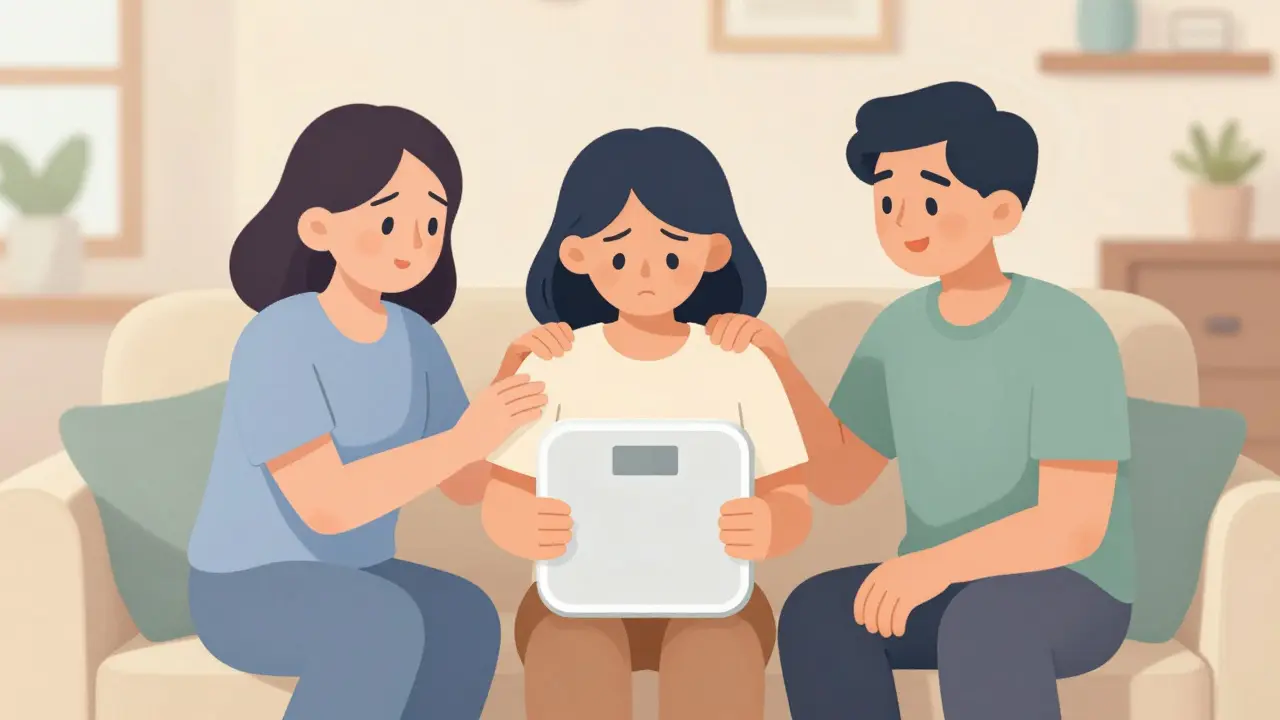
Starting a new medication for depression or anxiety is often a relief. You finally feel the fog lifting. But then you step on the scale, and the number has gone up. This isn’t just in your head. Weight gain from antidepressants is a common metabolic side effect affecting up to 65% of patients on long-term treatment. It’s frustrating, it can hurt your self-esteem, and for many, it leads to stopping the medication entirely-which risks a relapse.
You are not alone in this struggle. The question isn't just "why am I gaining weight?" but "which drug is causing it, and what can I actually do about it without sacrificing my mental health?" Let's break down the science, the specific drugs involved, and practical strategies to manage your weight while staying on track with your treatment.
Why Antidepressants Affect Your Weight
To understand how to fix the problem, we first need to look at what’s happening inside your body. It’s not simply that you’re eating more because you’re lazy. The mechanisms are complex and biological.
Most antidepressants work by increasing serotonin levels in the brain. In the short term-usually the first few weeks-this can actually reduce impulsivity and increase satiety, leading to slight weight loss. However, over time (typically longer than one year), your brain adapts. Receptors downregulate, meaning they become less sensitive. This shift can trigger cravings, particularly for carbohydrate-rich foods.
Beyond serotonin, other neurotransmitters play a huge role:
- Histamine receptors: Some drugs block histamine, which directly stimulates appetite. Think of how antihistamines make you sleepy and hungry; some antidepressants work similarly.
- Dopamine pathways: Changes here affect reward signaling. If your brain gets less "reward" from normal activities, it might seek comfort in food.
- Insulin sensitivity: Certain medications can alter how your body processes glucose, potentially leading to insulin resistance over time.
Additionally, there is the "recovery factor." Depression itself often causes weight loss due to poor appetite. When the medication works and your mood improves, your natural appetite returns. Sometimes, the weight gain is partly just your body returning to its baseline after being starved by stress and illness. Distinguishing between drug-induced metabolic changes and natural recovery is key.
Which Antidepressants Cause the Most Weight Gain?
Not all antidepressants are created equal when it comes to your waistline. Research shows significant differences between classes and even individual drugs within those classes. Here is how they stack up based on recent data, including a 2024 study from Harvard Health.
| Drug Class / Name | Risk Level | Average Gain (24 Months) |
|---|---|---|
| Mirtazapine (Remeron) | High | Significant (often >5 lbs) |
| Tricyclics (e.g., Amitriptyline) | High | Significant |
| Paroxetine (Paxil) | Moderate-High | ~2.9 lbs |
| Escitalopram (Lexapro) | Moderate | ~3.6 lbs |
| Sertraline (Zoloft) | Moderate | ~3.2 lbs |
| Bupropion (Wellbutrin) | Low / Neutral | ~1.2 lbs (or slight loss initially) |
High-Risk Drugs: Mirtazapine and tricyclic antidepressants like Amitriptyline and Nortriptyline are notorious for weight gain. They have a strong affinity for histamine receptors, which directly drives hunger. If you are prescribed these, be prepared to monitor your diet closely.
Moderate-Risk SSRIs: Selective Serotonin Reuptake Inhibitors (SSRIs) like Sertraline, Escitalopram, and Citalopram tend to cause modest weight gain over two years. While the average is around 3-4 pounds, individual results vary wildly. Some people gain nothing; others gain significantly more.
The Outlier: Bupropion: Bupropion stands out as the only commonly prescribed antidepressant consistently associated with weight neutrality or even slight weight loss. It works on dopamine and norepinephrine rather than serotonin. For patients where weight is a major concern, doctors often consider this as a first-line option, provided it doesn't trigger anxiety or seizures (a rare risk).

How to Manage Weight Gain Without Stopping Treatment
The biggest mistake people make is quitting their medication cold turkey because of the scale. This often leads to severe withdrawal symptoms and a return of depression, which can be harder to treat the second time. Instead, try these evidence-based management strategies.
1. Strategic Medication Adjustment
Talk to your doctor about switching or augmenting your current regimen. If you are on a high-risk drug like Mirtazapine, ask if a switch to Bupropion or a lower-risk SSRI like Fluoxetine is appropriate for your condition. Sometimes, adding a low dose of Bupropion to an existing SSRI can counteract the weight gain effects.
2. Pharmacological Support
In cases of significant metabolic disruption, doctors may prescribe adjunct medications. Metformin, traditionally used for diabetes, has shown promise in mitigating antidepressant-induced weight gain by improving insulin sensitivity. More recently, GLP-1 receptor agonists (like semaglutide) are being studied and used off-label to help manage weight in patients taking psychotropic medications, though this requires careful medical supervision.
3. Dietary Precision Over Restriction
Willpower alone rarely beats neurochemistry. If your medication is driving carb cravings, don’t just say "no." Instead, structure your meals to prevent blood sugar spikes. Focus on high-protein breakfasts and fiber-rich vegetables. Protein increases satiety hormones like peptide YY, which can help blunt the artificial hunger signals sent by your medication. Avoid skipping meals, as low blood sugar will make the cravings uncontrollable.
4. Movement as Medicine
Exercise does two things here: it burns calories and it boosts endorphins and dopamine. Since some antidepressants dampen dopamine reward pathways, physical activity can help restore that balance. Aim for a mix of resistance training (to maintain muscle mass, which burns more calories at rest) and cardiovascular exercise. Even a 20-minute walk after meals can improve glucose metabolism.
5. Monitor and Track
Don’t guess. Weigh yourself once a week under consistent conditions (same time, same clothes). Track your food intake using an app for the first month to see exactly where the extra calories are coming from. Often, it’s liquid calories or mindless snacking driven by medication-induced fatigue. Awareness is the first step to control.

When to Seek Help
If you are gaining more than 5% of your body weight in a short period, or if the weight gain is causing significant distress or impacting your ability to function, contact your healthcare provider immediately. Do not adjust your dosage on your own. There are many options available, and finding the right balance between mental stability and physical health is possible.
Remember, treating depression is vital. Weight gain is a manageable side effect, not a life sentence. With the right information and proactive steps, you can protect both your mind and your body.
Does weight gain from antidepressants go away after stopping?
In many cases, yes. Once the medication is discontinued and cleared from your system, appetite regulation usually returns to normal. However, some studies suggest that metabolic changes can persist for a while, so maintaining healthy habits during and after treatment is crucial. Always consult your doctor before stopping any medication.
Which antidepressant is best for someone worried about weight?
Bupropion (Wellbutrin) is generally considered the most weight-neutral or weight-loss-promoting antidepressant. Other options with lower weight gain risks include Fluoxetine (Prozac) and Venlafaxine (Effexor). However, the "best" drug depends on your specific symptoms and medical history, so discuss these options with your psychiatrist.
Can lifestyle changes reverse antidepressant weight gain?
Yes, lifestyle changes are highly effective. Because the weight gain is often driven by increased appetite and slowed metabolism, a combination of calorie-controlled eating, regular exercise, and sleep hygiene can counteract these effects. Many patients successfully maintain a stable weight while on antidepressants by being proactive with their diet and activity levels.
Why do I crave carbs when taking antidepressants?
Carbohydrates help convert tryptophan into serotonin in the brain. If your brain is seeking more serotonin due to receptor desensitization or other mechanisms, it may signal intense cravings for carbs. This is a biological response, not a lack of willpower. Managing blood sugar through protein and fiber can help reduce these cravings.
Is it safe to take Metformin for antidepressant weight gain?
Metformin is sometimes prescribed off-label to help with weight gain caused by psychiatric medications. It helps improve insulin sensitivity. However, it should only be taken under the supervision of a doctor who can monitor your kidney function and potential side effects. Never self-prescribe Metformin.