
Antihistamine Interactions with Other Sedating Medications: Risks and Safety
Antihistamine Interaction Risk Checker
Select your current medications to check for potential synergistic sedation risks.
Select options on the left to view analysis.
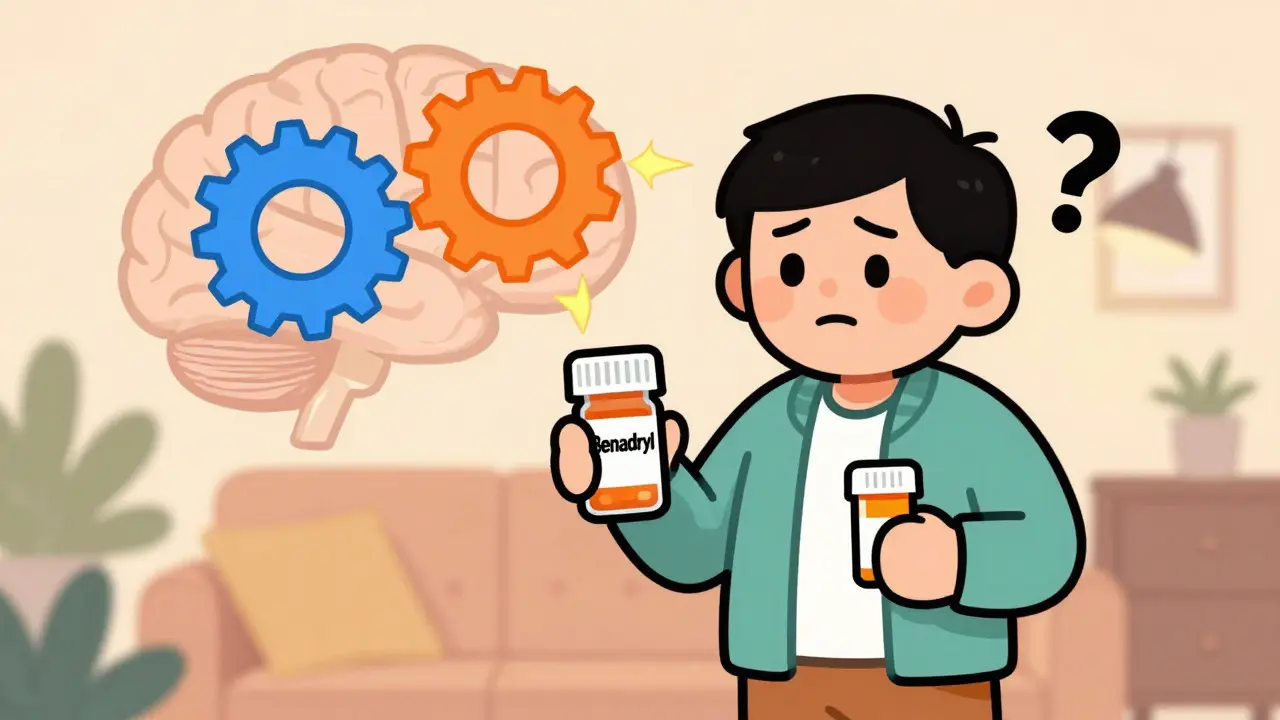
You reach for a Benadryl to knock out an itchy rash or help you sleep. You already take Xanax for anxiety or OxyContin for back pain. It seems harmless enough-just two pills doing their jobs. But inside your body, they are colliding in a way that could slow your breathing, cloud your mind, or worse. This isn't just theoretical caution; it is a documented pharmacological reality that affects millions of people every year.
When antihistamines meet other sedating medications, the result is often not just additive-it is synergistic. That means the combined effect is stronger than the sum of its parts. Understanding this interaction is critical for anyone managing allergies, insomnia, or chronic pain alongside mental health treatments. Let’s break down why this happens, which drugs are the biggest troublemakers, and how to stay safe without sacrificing relief.
The Science Behind the Drowsiness Crash
To understand the risk, we have to look at what these drugs actually do in your brain. Antihistamines work by blocking histamine receptors, specifically H1 receptors, which regulate wakefulness and allergic responses. But not all antihistamines behave the same way.
First-generation antihistamines like diphenhydramine (Benadryl), hydroxyzine (Vistaril), and promethazine (Phenergan) are small molecules that easily cross the blood-brain barrier. Once inside the central nervous system (CNS), they don’t just block histamine; they also block acetylcholine, a neurotransmitter essential for memory and alertness. This dual action creates potent sedation and anticholinergic effects.
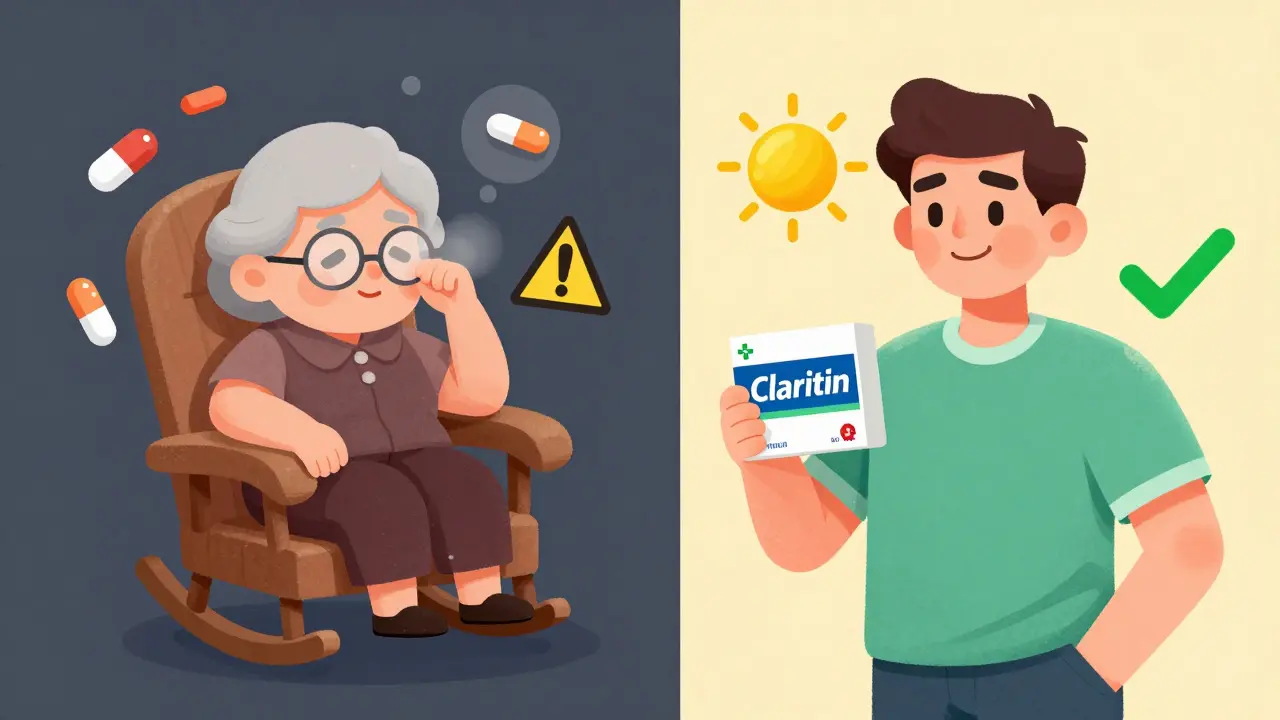
In contrast, Second-generation antihistamines such as loratadine (Claritin), cetirizine (Zyrtec), and fexofenadine (Allegra) were engineered to stay out of the brain. They are pumped back into the bloodstream by P-glycoprotein transporters at the blood-brain barrier. As a result, they cause significantly less drowsiness and have a much lower potential for dangerous interactions with other sedatives.
When you combine a first-generation antihistamine with another CNS depressant-like a benzodiazepine, opioid, or sleep aid-you are essentially stacking multiple brakes on your brain’s activity centers. The result can be profound confusion, extreme lethargy, and respiratory depression.
Dangerous Combinations: What Not to Mix
Not all combinations are equal, but several pairings carry high risks. Here are the most common and dangerous overlaps:
- Benzodiazepines (Xanax, Valium, Ativan): These anti-anxiety meds enhance GABA, a calming neurotransmitter. A landmark 2013 study published in the Journal of Investigational Allergology & Clinical Immunology found that combining diphenhydramine with lorazepam increased objective sedative effects by 37% and subjective drowsiness by 42%. For many, this means losing motor control or blacking out.
- Opioids (Oxycodone, Hydrocodone, Codeine): Opioids suppress the brainstem’s drive to breathe. Adding a first-gen antihistamine amplifies this suppression. CDC data from 2022 shows that while opioids alone cause respiratory depression in 1.5% of patients, combining them with first-gen antihistamines jumps that risk to 8.7%.
- Sleep Aids (Ambien, Lunesta): Non-benzodiazepine hypnotics target similar GABA receptors. Mixing them with diphenhydramine can lead to next-day impairment, complex sleep behaviors (like sleepwalking or sleep-eating), and severe morning grogginess.
- Alcohol: Alcohol is a CNS depressant in its own right. User reports on platforms like Reddit document cases where even one standard drink combined with 25mg of diphenhydramine led to hospital visits for slowed breathing. The synergy here is unpredictable and highly volatile.
- Tricyclic Antidepressants (Amitriptyline, Nortriptyline): These older antidepressants have strong anticholinergic properties. Combining them with first-gen antihistamines can push the total anticholinergic burden to toxic levels, causing dry mouth, urinary retention, constipation, and delirium.
Why Age Matters: The Elderly Risk Factor
If you or a loved one is over 65, the stakes are higher. Aging changes how your body processes drugs. Liver and kidney function decline, meaning medications stay in your system longer. First-generation antihistamines can remain active for 12 hours or more in older adults, compared to 4-6 hours in younger people.
The American Geriatrics Society includes first-generation antihistamines on its Beers Criteria for Potentially Inappropriate Medication Use in Older Adults. Why? Because older brains are more sensitive to anticholinergic effects. A 2021 study in JAMA Internal Medicine found that combining antihistamines with other anticholinergic drugs increased the risk of delirium by 54% in elderly patients. Delirium isn’t just confusion; it’s a medical emergency that can lead to falls, fractures, and long-term cognitive decline.
Dr. Darryl Toscani, co-author of the Beers Criteria, has warned that even short-term use of diphenhydramine with other sedating meds can trigger delirium in vulnerable seniors. If you’re caring for an aging parent, check their pill bottle. If it says “diphenhydramine” or “doxylamine,” talk to their doctor about switching to a safer alternative.
| Feature | First-Generation (e.g., Benadryl) | Second-Generation (e.g., Claritin, Allegra) |
|---|---|---|
| CNS Penetration | High (crosses blood-brain barrier) | Low (blocked by P-glycoprotein) |
| Sedation Risk | High | Minimal to None |
| Anticholinergic Burden (ACB Score) | 3 (High) | 0-1 (Low) |
| Interaction with Benzodiazepines | Significant increase in sedation | No significant increase |
| Recommended for Elderly? | Avoid (per Beers Criteria) | Preferred |
How to Stay Safe: Practical Steps
You don’t need to be a pharmacist to manage these risks. Start by knowing what you’re taking. Many people assume “natural” or “OTC” means “safe to mix.” That’s a dangerous myth. Diphenhydramine is available without a prescription, but its interaction profile is just as serious as prescription drugs.
Here’s a simple checklist to protect yourself:
- Read the Label: Look for active ingredients. “Sleep aids” often contain diphenhydramine or doxylamine. “Allergy multi-symptom” cold medicines may hide antihistamines behind brand names.
- Ask Your Pharmacist: Pharmacists are trained to spot interactions. Before buying any new OTC med, ask: “Does this interact with my current prescriptions?”
- Choose Second-Generation Options: For daytime allergy relief, switch to loratadine, fexofenadine, or cetirizine. They won’t make you drowsy and won’t amplify your other meds’ side effects.
- Monitor for Red Flags: If you feel unusually confused, slurred speech, extreme drowsiness, or shallow breathing after combining meds, seek medical help immediately.
- Use Tools: Websites like GoodRx and WebMD offer free interaction checkers. Enter all your meds to see if there are known conflicts.
For those who must use first-generation antihistamines (e.g., for motion sickness or acute itching), limit the dose and avoid alcohol completely. Take them at night when you can monitor your response, and never drive or operate machinery afterward.

What Experts Say
The medical community is clear on this issue. Dr. Juan Montoro, whose research highlighted the benzodiazepine-antihistamine synergy, emphasizes that second-generation antihistamines do not increase sedative effects. Meanwhile, Dr. Kenneth Farzam, author of StatPearls reviews on antihistamines, warns that H2 receptor antagonists like cimetidine can inhibit liver enzymes (CYP450), raising levels of other drugs in your blood-a different but equally risky interaction pathway.
The FDA responded to growing concerns by requiring stronger warnings on diphenhydramine packaging in 2021. Labels now state in bold: “WARNING: May cause severe drowsiness when combined with alcohol, opioids, or sleep medications.” This isn’t scare tactics; it’s evidence-based public health guidance.
User experiences back up the science. On Reddit’s r/Pharmacy, a thread titled “Benadryl + Xanax nearly killed me” garnered hundreds of upvotes, with dozens sharing stories of respiratory distress and emergency room visits. Conversely, users praise second-generation options like Allegra for allowing them to manage allergies without interfering with their anxiety or pain medications.
Bottom Line
Antihistamines aren’t inherently dangerous, but context matters. First-generation antihistamines like Benadryl are powerful sedatives that can turn manageable side effects into life-threatening situations when mixed with other CNS depressants. Second-generation alternatives offer effective relief with far fewer risks. If you’re taking opioids, benzodiazepines, sleep aids, or antidepressants, treat antihistamines with the same caution as prescription drugs. Talk to your healthcare provider, read labels carefully, and prioritize safety over convenience. Your brain-and your breath-will thank you.
Can I take Claritin with Xanax?
Yes, generally. Loratadine (Claritin) is a second-generation antihistamine that does not significantly cross the blood-brain barrier. Studies show it does not increase the sedative effects of benzodiazepines like alprazolam (Xanax). However, everyone reacts differently, so start with a low dose and monitor for unusual drowsiness.
Is Benadryl safe to take with opioids?
Caution is advised. Combining diphenhydramine (Benadryl) with opioids increases the risk of respiratory depression and extreme sedation. If you must use both, consult your doctor first, use the lowest effective doses, and avoid alcohol. Consider switching to a non-sedating antihistamine like fexofenadine instead.
Which antihistamines are safest for seniors?
Second-generation antihistamines like loratadine (Claritin), fexofenadine (Allegra), and desloratadine (Clarinex) are safest for seniors. They have minimal anticholinergic effects and do not appear on the Beers Criteria list of potentially inappropriate medications. Avoid diphenhydramine, doxylamine, and hydroxyzine unless specifically directed by a physician.
Does Zyrtec cause drowsiness with other meds?
Cetirizine (Zyrtec) can cause mild drowsiness in some people, but it is still considered a second-generation antihistamine with low interaction risk. It has an ACB score of 1, meaning minimal anticholinergic burden. While safer than Benadryl, if you are taking strong sedatives, monitor for added drowsiness and adjust timing accordingly.
How long does it take for Benadryl to leave your system?
In healthy adults, diphenhydramine has a half-life of 4-8 hours, meaning it takes about 24 hours to fully clear. In older adults or those with liver/kidney issues, this can extend to 12-24 hours or more. This prolonged presence increases the window for interactions with other medications taken throughout the day.