
Cancer Prevention Guide: Lifestyle Changes and Chemoprevention Strategies
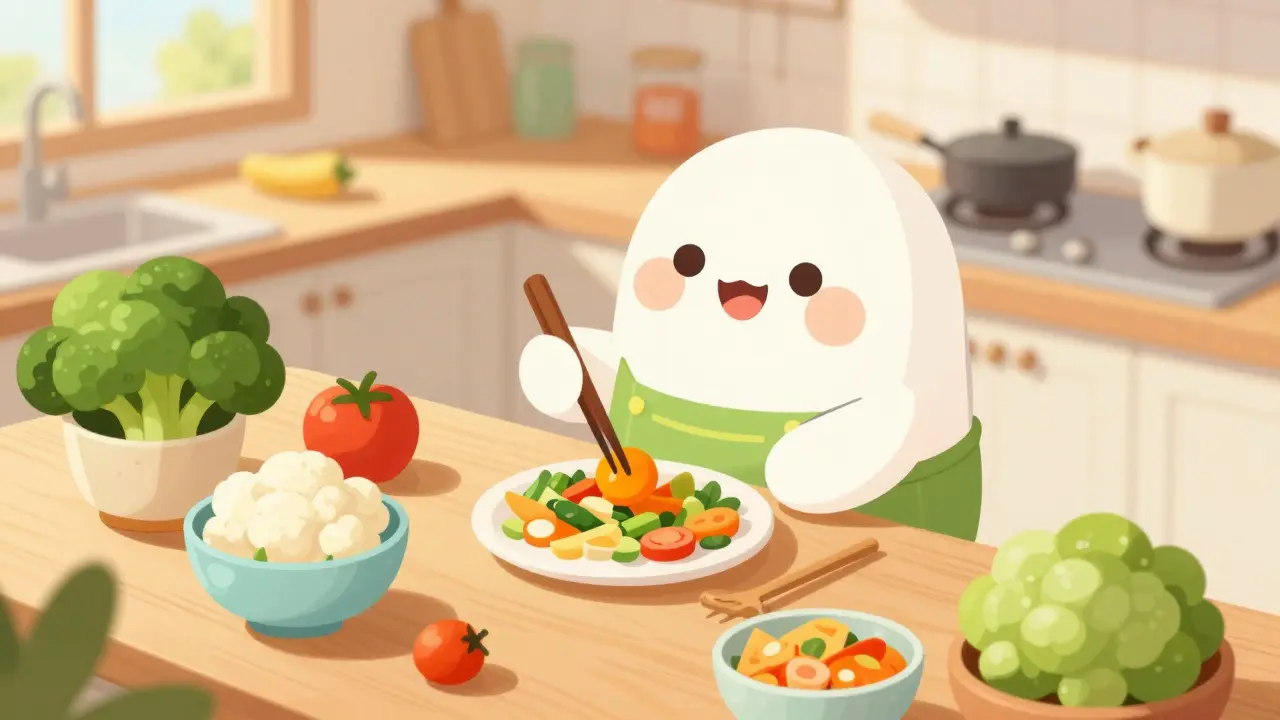
Most of us think of cancer as a genetic lottery-something that either happens to you or doesn't. But the reality is far more empowering. According to the World Health Organization, about 30-40% of all cancer cases are actually preventable. That means nearly a third of the battle is won not in a clinic, but in your kitchen, your gym, and your daily habits. If you've ever wondered if your morning walk or your choice of vegetables actually makes a difference, the data says yes. Even modest shifts in how you live can slash your risk significantly.
The Power of Daily Habits in Risk Reduction
When we talk about cancer prevention is the process of reducing the risk of developing cancer by modifying behavioral, environmental, and biological risk factors, we are looking at a combination of avoiding harmful triggers and embracing protective ones. It isn't about achieving perfection; it's about consistent, sustainable choices.
The single biggest win for your health is avoiding tobacco. It's the most impactful intervention available. Data from Cancer Research UK shows that smoking is responsible for roughly 78% of lung cancer cases. Quitting isn't just about your lungs; it reduces the overall death rate from all cancers globally by 15-20%. If you smoke, this is your primary target.
Beyond tobacco, managing your weight is a critical lever. The goal is typically a BMI between 18.5 and 24.9. Why does this matter? Excess body fat isn't just stored energy; it's biologically active. The American Institute for Cancer Research found that for every 5-unit increase in BMI above 25, the risk for postmenopausal breast cancer jumps by 12% and colorectal cancer by 8%. This happens because excess fat can trigger chronic inflammation and alter hormone levels, which essentially "feeds" potential tumors.
Eating for Protection: What Actually Works?
You don't need a restrictive fad diet to protect yourself. The focus should be on adding high-value nutrients rather than just cutting things out. The American Cancer Society suggests aiming for 2.5 to 3 cups of vegetables and 1.5 to 2 cups of fruit every day.
Specifically, look toward cruciferous vegetables. Things like broccoli and cauliflower aren't just healthy-they're powerhouse foods. A 2024 meta-analysis from UC Davis Health indicated that these vegetables can lower prostate cancer risk by as much as 15-20%. These plants contain compounds that help the body detoxify carcinogens and stop cancer cells from dividing.
On the flip side, watch the processed meats. The International Agency for Research on Cancer (IARC) classifies processed meats-like bacon, sausages, and deli meats-as Group 1 carcinogens. While some guidelines allow for small amounts, the gold standard recommendation from the World Cancer Research Fund is to avoid them entirely to keep your risk as low as possible.
| Factor | Recommended Target | Estimated Risk Reduction / Impact |
|---|---|---|
| Tobacco | Zero use | Prevents ~78% of lung cancers |
| Physical Activity | 150 min moderate / week | Up to 24% reduction in colon cancer risk |
| Weight (BMI) | 18.5 - 24.9 | Lower risk of breast, kidney, and colorectal cancers |
| Cruciferous Veggies | Daily servings | 15-20% lower prostate cancer risk |
| Sun Protection | SPF 30+ every 2 hours | Up to 50% reduction in melanoma risk |
Moving Your Body to Lower Your Risk
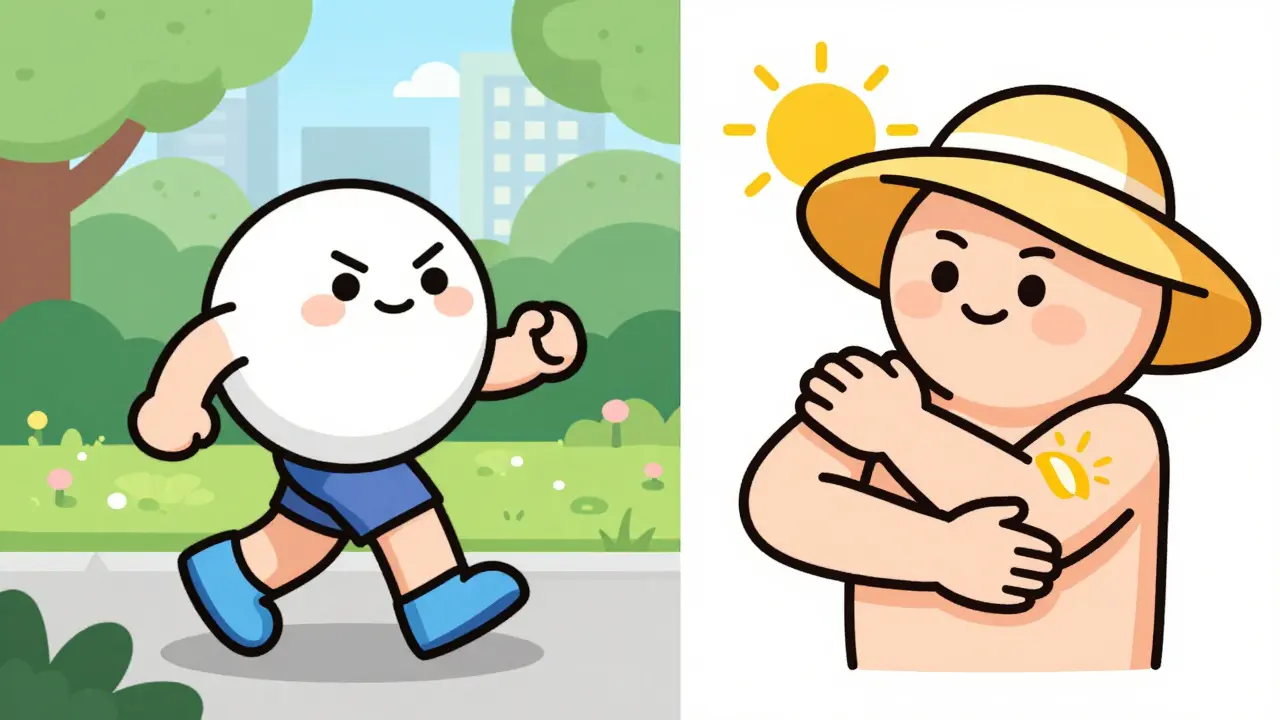
Exercise isn't just about fitting into your clothes; it's a biological shield. To get the most protection, aim for 150 minutes of moderate-intensity activity-think of a brisk walk at 3-4 mph-or 75 minutes of vigorous activity like running per week. Mayo Clinic analysis shows that staying active can reduce colon cancer risk by 24% and breast cancer risk by up to 20% compared to a sedentary lifestyle.
If that sounds like a lot, start small. The American Cancer Society uses a "3-2-1" framework: 30 minutes of activity daily, 2+ vegetable servings at your main meals, and 1 hour less of screen time. The beauty of this approach is that it's sustainable. Data shows that people who focus on one single behavior change have a 78% success rate at the 12-month mark, whereas those who try to overhaul everything at once often crash and burn after a few months.
The Hidden Dangers: Alcohol and UV Rays
Two of the most overlooked risk factors are alcohol and the sun. We often think of alcohol as a "social" habit, but the ethanol in drinks is a known carcinogen. For men, the limit is two standard drinks a day; for women, it's one. Every additional drink beyond that can increase the risk of breast cancer by 7-12% and esophageal cancer by as much as 30%.
Then there's the sun. Skin cancer is one of the most common but preventable forms of the disease. The rule of thumb is to use a broad-spectrum SPF 30+ sunscreen and reapply every two hours. More importantly, avoid the sun between 10 a.m. and 4 p.m. This is when 80% of the day's UV radiation hits the earth, doing the most damage to your DNA.
Understanding Chemoprevention
While lifestyle is your first line of defense, some people need more specialized help. This is where chemoprevention comes in. Unlike chemotherapy, which treats existing cancer, chemoprevention uses medications or natural compounds to prevent cancer from starting or returning.
Chemoprevention is usually reserved for high-risk individuals-people with a strong family history or specific genetic mutations. It can involve hormonal therapies or specific vitamins and minerals that block the growth of cancer cells. However, it's not a one-size-fits-all solution. Because these medications can have side effects, they must be managed by a specialist. The goal is to tip the biological scales in your favor when lifestyle changes alone aren't enough.
Overcoming the Barriers to a Healthier Life
Knowing what to do is easy; doing it is the hard part. A survey from UCLA Medical Center found that 68% of people struggle with consistent exercise, mostly due to time constraints. If you're feeling overwhelmed, remember that a 5-10% reduction in body weight can actually change your internal chemistry. It modulates insulin-like growth factor pathways and can reduce tumor-promoting inflammation by 25-30% within just six months.
The best way to stick to these changes is through social support and tracking. Programs that pair activity logs with a community of peers see a 40% increase in adherence. Instead of setting a vague goal like "eat healthier," set a specific target: "I will eat two servings of broccoli three times this week." Specificity is the bridge between intention and action.
Can I really prevent cancer if it runs in my family?
Yes. While genetics play a role-accounting for about 5-10% of cases-lifestyle factors significantly influence whether those genes are "switched on." By managing your weight, avoiding tobacco, and eating a plant-rich diet, you can lower your overall risk even if you have a family history.
How much exercise do I actually need for cancer prevention?
The general gold standard is 150 minutes of moderate-intensity aerobic activity (like brisk walking) or 75 minutes of vigorous activity (like jogging or swimming) per week. This level of activity is linked to significant reductions in colon and breast cancer risks.
Are processed meats really that dangerous?
The IARC classifies processed meats as Group 1 carcinogens, meaning there is strong evidence they cause cancer in humans. While some guidelines allow for very limited amounts, health organizations like the WCRF suggest avoiding them entirely to minimize colorectal cancer risk.
What is the difference between chemotherapy and chemoprevention?
Chemotherapy is a treatment used to kill existing cancer cells. Chemoprevention, on the other hand, is the use of specific medications or supplements to prevent cancer from developing in the first place or to stop it from recurring in survivors.
Is SPF 30 enough to prevent skin cancer?
SPF 30+ is the recommended minimum for broad-spectrum protection. However, sunscreen is only one part of the puzzle. You must reapply it every two hours and avoid peak sun exposure between 10 a.m. and 4 p.m. to effectively reduce melanoma risk.
Next Steps for Your Wellness Journey
If you're starting today, don't try to change everything. Pick one area-maybe it's adding a cup of vegetables to your dinner or taking a 15-minute walk after lunch. Once that feels like a habit, add another.
For those with a high genetic risk, the next step is to consult an oncologist or a genetic counselor about chemoprevention. They can help you determine if a medical intervention is necessary based on your specific profile. For everyone else, the focus remains on the "big wins": stop smoking, move more, and fill your plate with plants.
9 Comments
Typical corporate propaganda pushing "lifestyle changes" while they ignore the chemicals they're pumping into our water systems to keep us sick! They want us focused on broccoli so we don't notice the actual toxins they're spraying in the air. It's all a game to keep the pharmaceutical companies rich by keeping us in a state of constant fear and fake health!
Sunscreen is just another way for the government to track our skin. Pure lies.
Oh sure, because walking for 150 minutes a week is totally going to save me from the inevitable tragedy of my existence. I'll just trade my bacon for some steamed cauliflower and suddenly I'm immortal. Truly a revolutionary discovery that eating vegetables is good for you. Groundbreaking stuff here, guys. Just absolutely stunning.
Starting small is the way to go! Even a short walk makes a big difference and it feels great to just get moving. We can all do this one step at a time.
You people are missing the point completely. It's not just about the food, it's about the vibration of your being. If you don't fix your mind, all the broccoli in the world won't stop your body from decaying because you're basically inviting the sickness in with your low energy. I've spent years mastering this and it's honestly embarrassing that most of you still think a BMI chart is the key to health. You need to stop looking at tables and start looking at your soul. Most of you are just lazy and want a magic pill instead of doing the real work of spiritual alignment. It's sad to see so many people clinging to basic medical advice when the truth is so much deeper. You can't just walk away cancer; you have to transcend the very idea of disease. Believe me, I've seen it happen. Your approach to health is basically kindergarten level. Get a grip on your internal energy or just accept that you're doing it wrong. It's a simple concept if you're actually awake. Stop following the herd and start following a real guide. You're all just playing house with your health.
it is interesting how we quantify health into numbers and charts
perhaps the real prevention is simply living in a way that honors the body without the stress of constant measurement
I totally agree with the vibe here!!! 🌟 It's all about balance and being kind to ourselves while we try to get healthy!! Maybe we can all just support each other in eating more greens!! 🥦✨💖
Actually, the processed meat thing is basic science because of the nitrates. Everyone knows that.
It is most commendable that such an informative guide has been shared to assist the community in maintaining their well-being through sustainable habits.