
Cholesterol-Lowering Medications: Statins vs. Alternative Options Explained
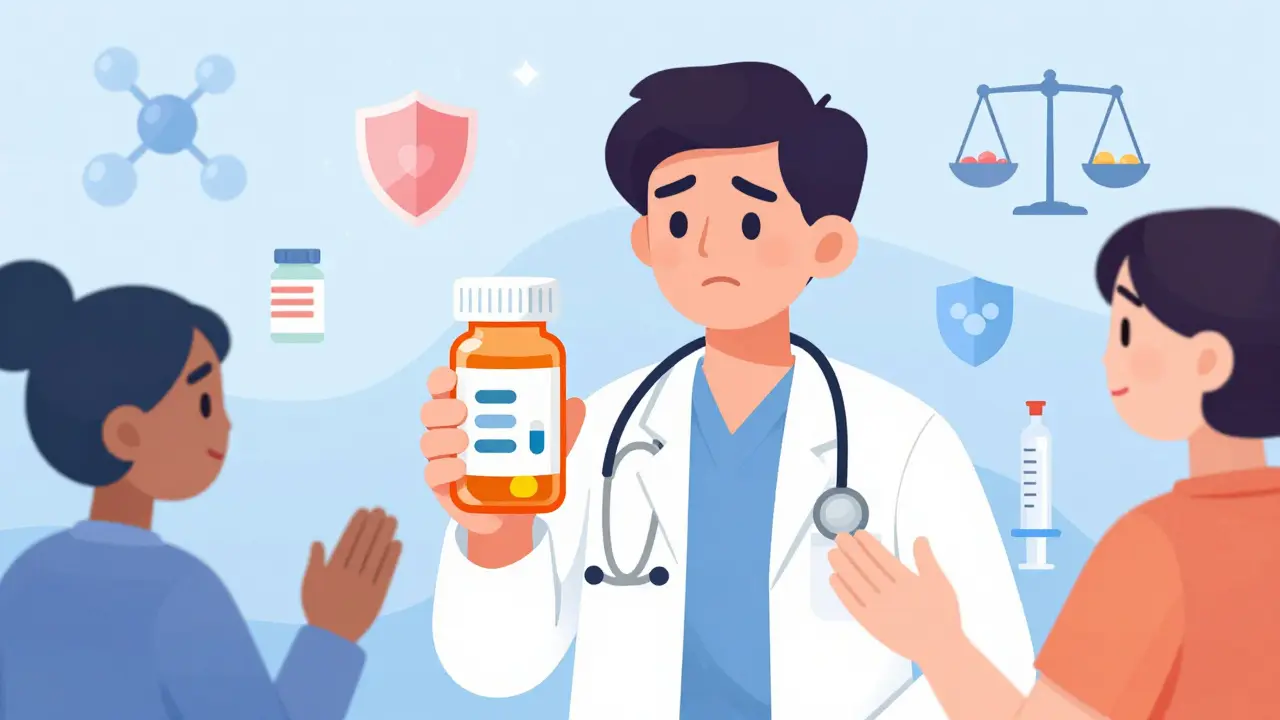
If your doctor mentions statins are the gold standard for lowering cholesterol, you've heard this before. For decades, these drugs have been the frontline defense against heart disease, trusted by millions of people worldwide. However, not everyone reacts well to them. Some folks experience muscle pain, fatigue, or other frustrating side effects that make taking daily pills feel like a losing battle. You aren't alone in this struggle. Approximately seven to twenty-nine percent of patients report uncomfortable symptoms that push them to look elsewhere. The question isn't just whether you need to lower your numbers, but finding a way to do it that actually fits your body and lifestyle.
Why Statins Became the Standard Choice
To understand why alternatives matter, you need to see where statins come from. These medications were discovered back in the late 1970s, with the first one hitting pharmacies in 1987. They work by blocking an enzyme called HMG-CoA reductase, a key player in how your liver produces cholesterol. By slowing down this factory line, your liver pulls more bad cholesterol out of your bloodstream to compensate. The result? A significant drop in LDL levels. According to clinical data, low doses can cut 'bad' cholesterol by up to thirty percent, while maximum doses can knock out more than forty percent. That's a powerful effect. Common names you might recognize include Lipitor, Crestor, and Zocor. They are cheap, effective, and proven to save lives by preventing heart attacks and strokes over the long term.
The Problem with Long-Term Use
Despite their success, they aren't perfect for everyone. The biggest hurdle is something known as statin-associated muscle symptoms. Imagine working out hard and feeling the soreness for weeks-that's what some people feel daily while on these meds. It ranges from mild discomfort to severe weakness. While serious liver damage is rare, the fear of it often stops people from sticking to the plan. Research shows that nearly a quarter of patients stop taking their medication within the first year because of these perceived side effects. Sometimes, the issue isn't the drug class itself but the specific dose or formulation. However, when switching doesn't help, you might need to explore other paths. The goal remains the same: protecting your heart health without compromising your quality of life.
Ezetimibe: The First Line of Defense
When statins hit a wall, many doctors turn to ezetimibe, sold under the brand name Zetia. Unlike statins, which slow production in the liver, ezetimibe works in your intestines. It blocks the absorption of dietary cholesterol. Think of it as putting a gatekeeper at the door so less cholesterol gets into your system in the first place. Alone, it lowers LDL by roughly fifteen to twenty-two percent. While that sounds modest compared to high-dose statins, it becomes a game-changer when combined with a statin. Studies show adding ezetimibe to a statin regimen can drop cholesterol an extra twenty to twenty-seven percent. It has fewer metabolic interactions than statins like simvastatin, making it a good option for people taking multiple medications. If you cannot tolerate even a low dose of a statin, ezetimibe serves as a solid monotherapy alternative, though it might require closer monitoring of your lab results to ensure levels stay safe.
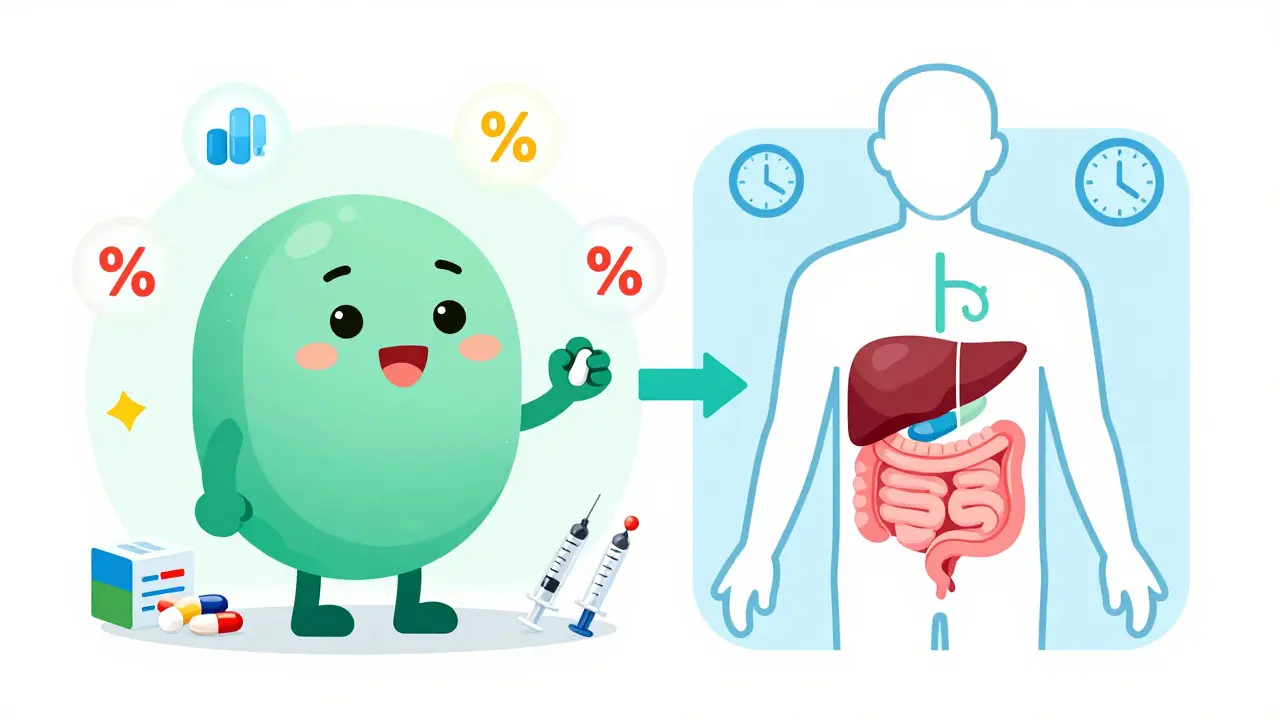
Bempedoic Acid: A New Oral Option
Fewer people know about bempedoic acid (brand name Nexletol), which received FDA approval around 2020. This is another oral pill, meaning you don't have to inject anything, which is a huge plus for needle-haters. Its mechanism targets an enzyme earlier in the cholesterol production pathway than statins do. It avoids the CYP3A4 enzyme pathway that causes so many drug interactions with other medicines. In terms of power, it lowers LDL by about seventeen percent on its own. Many cardiologists recommend pairing it with a statin or ezetimibe to reach higher goals. Users often report avoiding the muscle pain associated with traditional statin therapy because it activates differently inside the body. This makes it a vital bridge for those who sit somewhere between needing intensive treatment and hating the side effects of older drugs.
PCSK9 Inhibitors: Heavy Hitters for High Risk
If oral options aren't enough, the medical world offers injections known as PCSK9 inhibitors. Brands like Repatha (evolocumab) and Praluent (alirocumab) take a different tack. Instead of stopping production or absorption, they tell your liver to recycle receptors more efficiently to grab LDL particles from the blood. The results are dramatic-reductions of up to sixty percent are possible. This level of potency was once reserved only for patients with genetic conditions causing extremely high cholesterol, but usage has broadened. A major safety perk is that studies indicate they do not increase the risk of hemorrhagic stroke, unlike some evidence suggesting a link with high-intensity statins. This makes them particularly attractive for patients with a history of brain bleeding. However, the delivery method involves subcutaneous injections every two or four weeks, which requires a bit of training and commitment.
Inclisiran: The Twice-Yearly Game Changer
You might wonder if there is a middle ground regarding frequency. Enter inclisiran (Leqvio). Approved in late 2021, this falls under the umbrella of RNA therapeutics. Instead of targeting a protein continuously, it silences the instructions that tell your liver to make PCSK9. The beauty here is the dosing schedule. Once your doctor gives you the initial shot, you only return for a booster six months later. After that, it's just twice a year. Clinical trials showed it lowered cholesterol by forty to fifty percent when stacked on top of statins. For anyone who struggles with remembering monthly shots or weekly tasks, adherence skyrockets. It represents a massive leap forward in convenience, addressing the common complaint that complex regimens lead to skipped doses and poorer outcomes.
| Medication Class | Avg. LDL Reduction | Administration | Key Benefit | Potential Drawback |
|---|---|---|---|---|
| Statins | 30% - 50% | Daily Pill | Cheap, Proven Track Record | Muscle Pain, Fatigue |
| Ezetimibe | 15% - 22% | Daily Pill | Few Drug Interactions | Moderate Efficacy Alone |
| PCSK9 Inhibitors | Up to 60% | Injection (Every 2-4 Weeks) | High Potency, Stroke Safety | Higher Cost, Injection Required |
| Inclisiran | 40% - 50% | Injection (Twice Yearly) | Best Adherence, Long Acting | Newer Data Long-term |
| Bempedoic Acid | ~17% | Daily Pill | No Muscle Pain Risks | Mild Gout Risk Possible |
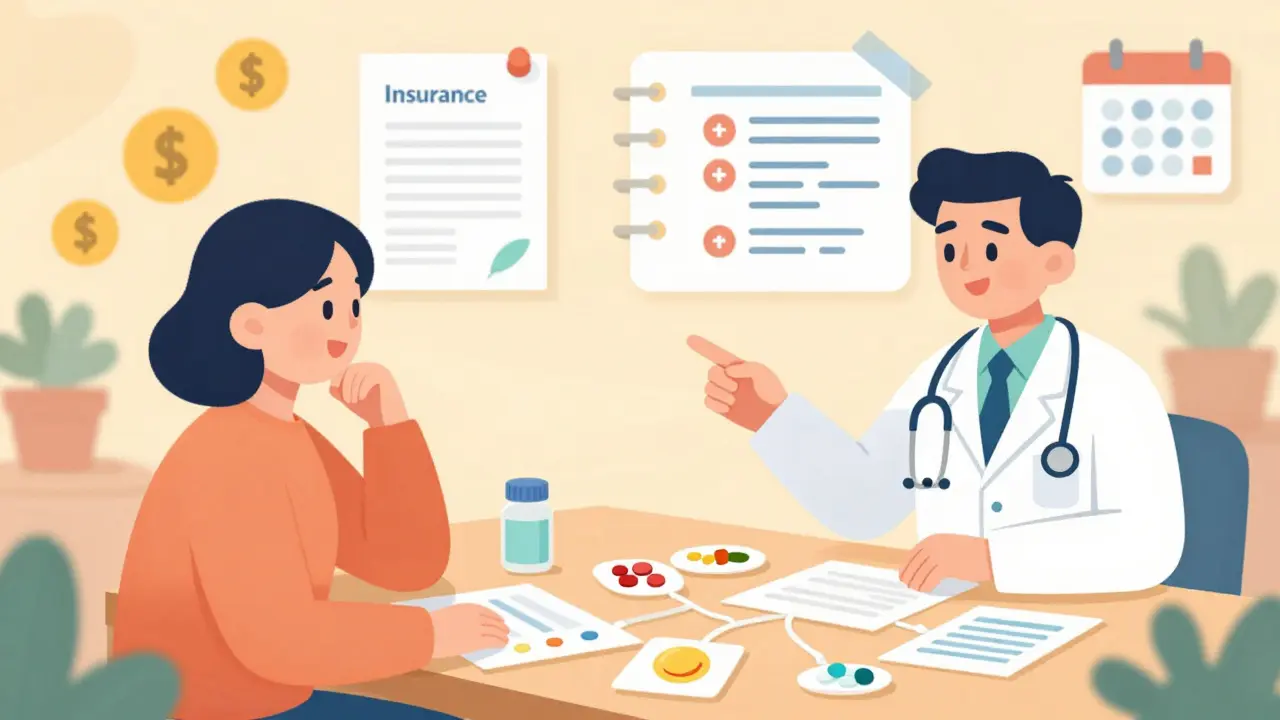
Cost and Accessibility Realities
Money often dictates availability more than medical need. Generic statins can run as low as four dollars a month, whereas newer injectables carry a steep price tag. Annual costs for PCSK9 inhibitors hover around five thousand eight hundred dollars. Yes, insurance often covers these for qualifying patients, but prior authorizations and denials can delay treatment for months. One forum user noted being denied coverage three times before finally getting approval for a lower-cost generic injection alternative. Financial toxicity is real; choosing an expensive drug might save your heart, but bankrupt your household. There are now some generic versions of ezetimibe and older statins that help, but access varies wildly depending on your location and health plan. Always check with your pharmacy benefits manager before starting a new regimen.
Natural Supplements and Why They Fall Short
You may be tempted to try supplements like red yeast rice or fish oil instead of prescriptions. While these have a role in overall wellness, they lack regulation and consistency. Harvard researchers emphasize that pharmaceutical interventions significantly outperform unregulated supplements for risk reduction. Red yeast rice contains naturally occurring statins, essentially acting like a weak version of prescription drugs without quality control. Supplements generally fail to lower LDL enough to prevent heart events in high-risk people. If you rely solely on diet changes and vitamins, you might miss the window for preventing a silent plaque buildup. Discuss these with your provider so you understand exactly what they contribute to your total picture.
How to Decide What Works Best For You
Choosing a path depends on your unique health profile. Do you have existing heart disease? Are you diabetic? Have you had a stroke? These factors change the intensity of therapy needed. Generally, providers suggest trying at least two different statins or combinations before moving to expensive alternatives. Start low, go slow. Monitor your labs after twelve weeks to judge impact. If muscle pain persists, switch types or add ezetimibe. Only move to injected therapies if oral options fail or cause unacceptable toxicity. Your cardiovascular risk score guides the aggressiveness required. Don't hesitate to ask your doctor for a trial of a different formulation before giving up entirely.
Can I switch from a statin to ezetimibe safely?
Yes, switching is common if side effects occur. Ezetimibe is gentler on muscles but lowers cholesterol less effectively alone. Often, doctors combine a low-dose statin with ezetimibe to balance efficacy and tolerance.
Do PCSK9 inhibitors have serious side effects?
They are generally well-tolerated. Most common issues are local reactions at the injection site, flu-like symptoms, or upper respiratory infections. They do not appear to raise the risk of hemorrhagic stroke like some statins might.
How much does insurance usually cover for these drugs?
Coverage varies. Generic statins are almost always covered. Expensive PCSK9 inhibitors often require prior authorization proving other drugs failed or caused side effects. Always verify formulary status with your insurer.
Will stopping statins immediately cause a heart attack?
No, stopping statins doesn't trigger immediate events. Cholesterol levels will gradually rise back to baseline over weeks. Never stop abruptly without consulting your doctor, but there is no immediate danger like withdrawal symptoms.
Are diet changes enough to replace medication?
Diet helps, but rarely replaces drugs completely for high-risk patients. If your genetics produce high cholesterol (familial hypercholesterolemia), diet alone won't get you to safety zones. Medication provides the necessary buffer against long-term blockages.
15 Comments
Just keep moving and stay consistent with whatever choice you make.
Big Pharma wants your wallet 💰 not your health 😩 They tell you LDL is bad but my uncle took ezetimibe and still felt drained 🛑 Why do we trust pills over food anyway 🤷♂️ My cousin says natural supplements work better but cost nothing 💸 It feels like a trap sometimes 🕳️ Everyone talks about side effects but no one mentions liver fatigue 🏭 We just swallow and hope 🙏 Trust me I am skeptical 🔍
statins inhibit HMG-CoA reductase blocking hepatic synthesis LDL drops but muscle damage occurs via mitochondrial dysfunction CYP3A4 interactions cause drug overlap issues genetic polymorphisms dictate efficacy variances pharmacogenomics ignored in primary care settings
The data regarding HMG-CoA reductase inhibition is quite compelling!!! You see!!! Statins reduce cardiovascular events significantly!!! However!! Muscle symptoms are a real concern!!! Ezetimibe works differently!!! Bempedoic acid is a fantastic alternative!!! It avoids the CYP pathway!!! PCSK9 inhibitors are potent!!! Inclisiran changes the game!!! We must monitor labs frequently!!!! Safety profiles matter!!!! Adherence is key!!!!! Don't stop abruptly!!! Always consult your provider!!!!!
Only the financially privileged can afford true optimization here. Common folk will suffer through statin toxicity because insurance denies alternatives. It is tragic how ignorance prevails among the masses regarding biochemistry. You must pay attention to the details others ignore.
We must consider the pharmacokinetics carefully when switching agents. Bioavailability varies significantly between formulations. Subcutaneous absorption rates dictate dosing intervals for biologics. Pharmacodynamics play a massive role in patient compliance rates. Metabolic clearance pathways differ across ethnic populations requiring tailored approaches.
i hope everyone finds what works best for them its super important to listen to your body dont worry about the numbers too much just focus on feeling good overall take care of yourself always ❤️
I really thik it depends on who you talk too cant find good info everywhere thier are so many options now i wish more people understood the science behind it though but its okay to take small steps first
You are not alone in feeling overwhelmed by choices 👌 Many struggle with the same fears 😓 Please remember your team is there to help 👨⚕️ Small wins matter so much 💪 Keep believing in your own journey 🌟 Stay strong and patient 🌈
There is a profound disconnect between clinical guidelines and lived reality. Doctors view numbers as abstract metrics while patients feel pain daily. The pursuit of lower LDL often ignores quality of life tradeoffs. We need to acknowledge that fear drives non-compliance more than lack of evidence. Side effects are dismissed too easily in academic literature discussions. Every person metabolizes medication differently based on genetics. A universal approach fails to capture individual nuance required for healing. Listening to bodily signals is crucial when choosing therapy paths. Fear of heart attacks must not overshadow fear of chronic fatigue. Balance remains the core objective of sustainable healthcare management. Modern medicine advances rapidly yet often moves too fast for average adoption rates. We should prioritize functional health alongside lipid panel results. Trust builds slowly between providers and their communities over time. Patience allows for trial adjustments without panic reactions setting in. Ultimately the goal is living a full life rather than just surviving longer. This requires empathy from both sides of the prescription pad interaction.
feel good and eat right.. dont stress about the meds too much.. just try and stay happy..
Omg the injections are scary but i read online thst some peopel get used to it qckly i knwo someone who h8d muscle pain before switchign its terrble tho pls be carful wih ur health
It is imperative that patients understand the financial toxicity involved in switching regimens. Insurance authorization processes are notoriously inefficient. One cannot simply rely on generic availability without verification. Cost barriers are systemic issues that require advocacy. Medical necessity arguments often fail due to administrative delays. Patients deserve access regardless of socioeconomic status. The current framework leaves many vulnerable individuals behind.
The alchemy of blood chemistry dances in a delicate cosmic rhythm. Pills become stones in our pockets heavy with promise. We seek the elixir of youth hidden in a tiny capsule. Sometimes the magic fades leaving us tired. Yet the stars align for those who listen to inner whispers.
Obviously anyone reading this already knows statins suck for muscles lol but seriously only rich kids get the fancy shots. Basic biology shows why poor people die faster. It's just economics disguised as health advice.