
Contaminated Seafood Risks: New Year's Eve Dinner Warning
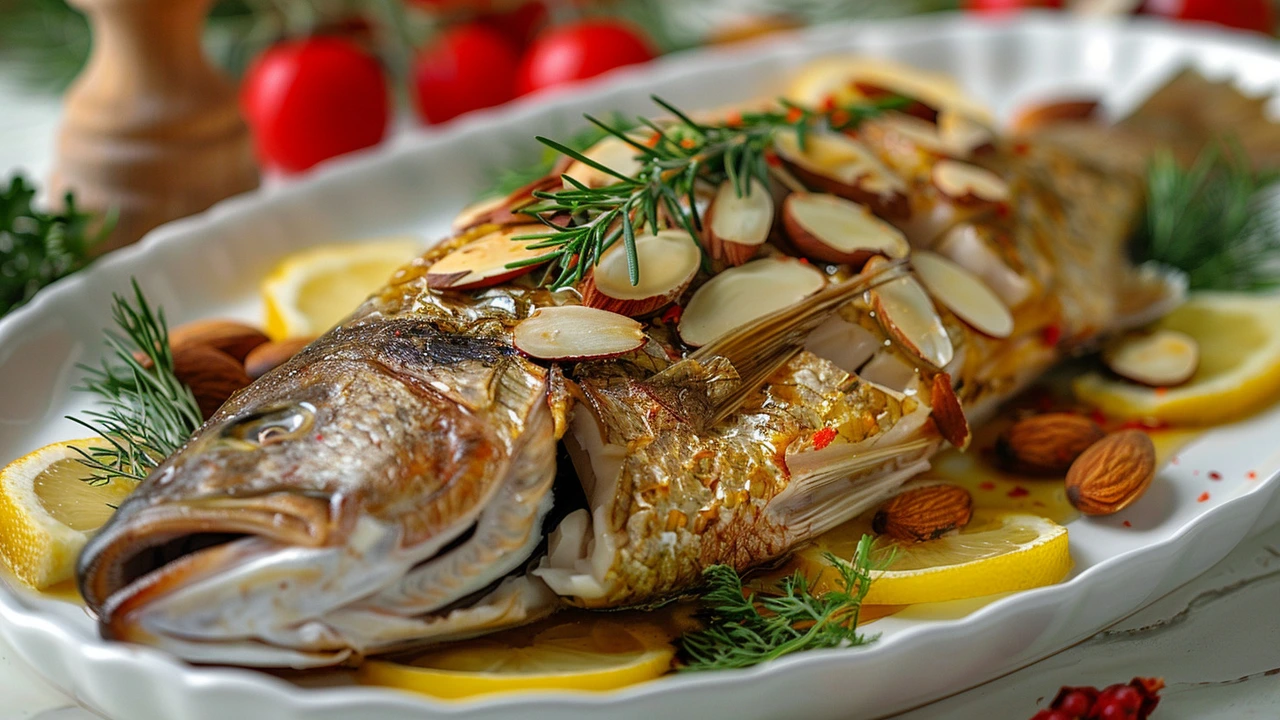
As the festive season approaches, a shadow looms over what is traditionally a time of joy and celebration. A recent report has triggered alarm over the seafood many anticipate enjoying during New Year's Eve dinner. The concern? Escalating levels of pollution in ocean waters, which have turned seafood into a repository for a range of dangerous contaminants. Oceanographer Jesus Cisneros, cited in a report by El Español, sheds light on this pressing issue, pointing to human activity as the primary culprit behind the contamination plaguing marine life.
Our oceans, once teeming with life, are now suffused with pollutants that make their way into the marine ecosystem through various channels. Chief among these are residential areas and the daily wastewater they produce. This cocktail of contamination includes plastics, microplastics, dissolvents, mercury, parabens, and a slew of pharmaceuticals. These substances do not merely float in the water; they are ingested by marine animals, entering the food chain and posing a grim reality for both marine life and humans alike.
Larger predator fish, such as swordfish, sharks, and tuna, are particularly vulnerable due to their dietary habits, which involve consuming smaller contaminated fish. This biomagnification process leads to a higher concentration of toxins in their flesh, making them far more dangerous for human consumption. The implications of this are far-reaching, with contaminated seafood being linked to a host of long-term health issues including allergies, diabetes, and even certain types of cancer.
The root causes of this dire situation, as Cisneros points out, are manifold. A critical factor is the inadequate legislation governing pollution and the glaring lack of efficient water treatment facilities. These deficiencies not only jeopardize human health but also threaten marine biodiversity. Among the most disturbing consequences of this pollution is the evidence suggesting that it is inducing gender changes in some fish species, a phenomenon that underscores the severity of the ecological imbalance we face.
The magnitude of this problem cannot be overstated. It is a clarion call for immediate action, albeit one that presents complex challenges. Addressing the issue head-on requires a multifaceted approach, involving stricter pollution controls, advancements in waste treatment technology, and a concerted effort to reduce our reliance on harmful substances. The collective actions of governments, industries, and individuals will be pivotal in turning the tide against ocean pollution. The stakes are high, not just for our New Year's Eve dinners, but for the well-being of our planet and future generations.
In conclusion, as we gear up to bid farewell to the year and welcome a new one, it's imperative that we heed the warning signs and reconsider our seafood choices. This New Year's Eve, informed decisions about our dinner menus could be more than a matter of taste; they could be a step towards safeguarding our health and protecting our oceans. Let this be a wake-up call to cherish and preserve the bounty of the sea, by combating the pollution that threatens it.
18 Comments
This isn't just about seafood-it's about America letting foreign polluters dictate our health while our politicians sip lattes in D.C. They let China dump plastic into the Pacific like it's a goddamn trash can, and now we're paying with our kids' futures. Time to shut down imports from countries that treat oceans like sewers. We don't need your tainted tuna, we need accountability.
And stop pretending this is a 'global issue.' It's a failure of leadership. If we had real borders, we'd have clean seafood. Simple as that.
I get the fear, but let’s not throw the whole ocean under the bus. I’ve been buying sustainable seafood from local fisheries for years-look for MSC or ASC labels. It’s not perfect, but it’s a start. And honestly? Eating less big predatory fish and more mussels or sardines cuts your exposure *and* helps the ecosystem. Small changes add up.
Also, if you’re worried about mercury, get tested. It’s not a magic bullet, but knowledge beats panic.
They’re lying. Every single study about ocean pollution is funded by the WHO or Big Pharma. Why? Because they want you scared of fish so you’ll buy their synthetic omega-3 pills and gluten-free seaweed snacks. You think mercury’s bad? Wait till you find out what’s in your tap water. The government’s been adding fluoride to make you docile. And now they’re blaming fish? Classic distraction tactic.
My cousin’s neighbor’s dog got sick after eating salmon. They had to euthanize it. Coincidence? I think not. The same people who told you 5G was safe are now telling you sushi is poison. Wake up.
Also, the gender-changing fish? That’s not pollution. That’s a bioweapon. They’re testing gender manipulation tech on marine life. It’s a trial run for humans. I’ve seen the blueprints.
I’ve been working in coastal communities for over 15 years, and I’ve seen how this plays out in real life. It’s heartbreaking. But I’ve also seen fishermen switch to aquaculture, schools start ocean literacy programs, and moms swap swordfish for farmed trout. Progress is slow, but it’s real.
We don’t need to vilify everyone. We need to empower the ones who are already trying. Support local seafood co-ops. Ask your grocer where it’s from. That’s how change starts-not with outrage, but with quiet, consistent choices.
Obama let this happen. Now we’re eating poison because we let foreigners run our oceans. Time to build a wall around the Pacific. No more imports. No more excuses. Clean seafood or nothing.
I grew up eating fish from the Bay of Bengal. My grandmother always said, 'The sea gives, but it remembers.' We didn’t have fancy labs back then, but we knew when something felt off. Now, with all this plastic and chemicals, I worry for my daughter. But I also believe in small acts-carrying a cloth bag, refusing plastic straws, asking for sustainable options.
It’s not about perfection. It’s about showing up, every day, with a little more care.
The ocean, as a metaphysical entity, has long served as the mirror of human moral decay. The bioaccumulation of toxins in piscine fauna is not merely an ecological phenomenon, but an ontological indictment of anthropocentric hubris.
When we consume the contaminated flesh of the sea, we do not merely ingest mercury-we internalize the consequences of our epistemic arrogance. The gender dysmorphia observed in marine species is not a biological anomaly, but a symbolic recalibration of nature’s equilibrium, a silent protest against the patriarchal exploitation of natural systems.
Perhaps the New Year’s Eve dinner should not be a feast, but a ritual of mourning-for the silence of the coral, the extinction of the cod, and the erosion of our collective conscience.
OMG I JUST ATE TUNA LAST WEEK 😭 I’M GONNA DIE AND IT’S ALL THEIR FAULT 🤢 I SAW A VIDEO OF A FISH WITH TWO PENISES AND NOW I CAN’T SLEEP 🤯 THEY’RE TURNING FISH INTO GENDERSWAP MONSTERS AND I’M THE NEXT VICTIM 😭😭😭 #OceanApocalypse #NoMoreSushi
so like… is it the plastic or the mercury that’s worse? i read somethin bout microplastics bein in evry fish now but then i saw a docu that said mercury’s the real killer. also, can u still eat shrimp? i love shrimp. pls help. 🤔
Thank you for raising this critical issue with such clarity. While the data is alarming, I remain hopeful that collective awareness will catalyze meaningful policy reform. I’ve begun donating to ocean cleanup initiatives and have switched to certified sustainable seafood suppliers. Small steps, yes-but each one ripples outward.
Let us not succumb to despair. Let us act, with intention, with compassion, and with unwavering resolve.
P.S. I accidentally typed 'sustainble' above. Apologies. My fingers are tired from typing too much good news.
This is all part of the Great Reset Agenda. The WHO, UN, and Big Food are colluding to depopulate the West by poisoning our food supply. They want you to fear seafood so you’ll buy their lab-grown protein paste made from algae and AI. That’s why they’re pushing 'sustainable' labels-it’s a Trojan horse. The real goal? Replace natural ecosystems with corporate-controlled biotech farms.
They’re also using the gender-bending fish as a vector for transhumanist propaganda. The fact that you’re reading this means you’re already being targeted. Don’t click any links. Don’t trust any 'expert' who says 'it’s complicated.' It’s not. It’s control.
There’s something deeply poetic about how the ocean, which gave us life, is now reflecting back our worst impulses. We’ve turned abundance into anxiety. Celebration into caution.
But perhaps this moment-this quiet dread before New Year’s-is exactly what we need. Not to abandon the sea, but to relearn how to listen to it. To eat with reverence, not ritual. To honor the creatures we consume by demanding better from ourselves.
Let this year’s dinner be a moment of pause. Not a sacrifice. A surrender to humility.
Bro, I get it. The ocean’s crying. But let’s be real-this isn’t about fish. It’s about control. Who owns the water? Who profits from the fear? I saw a guy in a suit on a yacht last week tossing a plastic bottle into the sea… and he was wearing a 'Save Our Oceans' hat 😂
It’s not the pollution that’s the problem. It’s the people who profit from pretending they care.
So yeah… skip the sushi. But also? Stop buying their eco-branded bottled water. That’s the real villain. 🌊✌️
So what? People ate fish for thousands of years. You think your grandma’s cod was clean? Newsflash: everything’s toxic. You’re alive, aren’t you? Stop being a hypochondriac.
Also, if you’re scared of seafood, eat a burger. Let the rest of us enjoy our lives.
In Nigeria, we’ve been dealing with oil spills for decades-fishermen losing livelihoods, children getting rashes from bathing in contaminated waters. The science here is clear: pollution doesn’t respect borders. But here’s the thing-we’re not waiting for governments to fix it.
Community-led cleanups. Local fishers using biodegradable nets. Youth groups teaching kids about mangroves. We’re building resilience from the ground up.
If you’re in the US or Europe, don’t just cry about it. Support grassroots ocean initiatives. Donate. Volunteer. Amplify voices from the Global South. This isn’t a Western problem. It’s a human one.
ok but like… what if the REAL villain is the fact that we even HAVE a 'new year's eve dinner'? why are we celebrating with dead animals?? why not just sit in silence and meditate on our collective guilt?? 🤔 maybe the fish are the ones who should be throwing parties and we’re the ones who should be apologizing. also i cried watching a documentary about a turtle with a straw in its nose and now i can’t eat anything. #existentialcrisis
Everyone’s missing the point. This isn’t about mercury or microplastics. It’s about the collapse of the sacred. We treat the ocean like a vending machine-push a button, get fish. We’ve lost the ritual of gratitude, the humility of taking only what you need. The fish aren’t poisoned because of industry-they’re poisoned because we stopped seeing them as kin.
And now, we’re terrified not because of science, but because we’ve forgotten how to belong to the world.
So yes-avoid swordfish. But also? Sit by the water. Listen. Apologize. Then act.
That’s actually a really thoughtful point. I’ve never thought of it that way-like, we don’t say grace before eating tuna. We just grab it like a snack. Maybe that’s the real shift we need: not just what we eat, but how we eat it.
Maybe next year, I’ll light a candle before dinner. Just for the fish.