
Cranberry Products and Warfarin: Understanding the Bleeding Risk
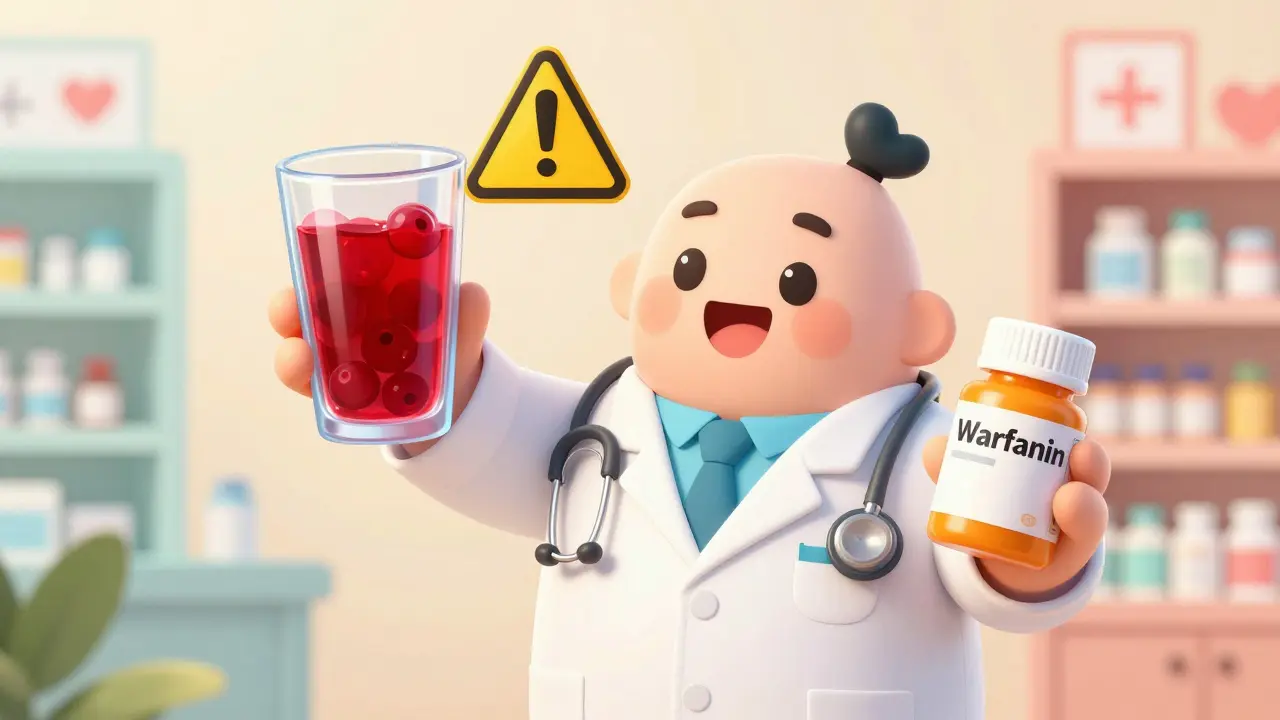
You might think that swapping your morning orange juice for cranberry is a harmless health upgrade. After all, cranberries are packed with antioxidants and are famous for helping urinary tract health. But if you take Warfarin, which is a widely used oral anticoagulant medication prescribed to prevent blood clots and treat thromboembolic events, that simple switch could put you in serious danger. The combination of cranberry products and Warfarin is not just a minor side note; it is a documented, potentially life-threatening interaction that can cause severe bleeding.
This isn't about eating a few fresh berries on Thanksgiving. It involves juices, supplements, and extracts that interfere with how your body processes this critical medication. If you or a loved one relies on Warfarin, understanding this specific food-drug interaction is essential for staying safe. Let’s look at why this happens, what the risks really are, and how to manage them without panic.
The Mechanism: Why Cranberries Affect Warfarin
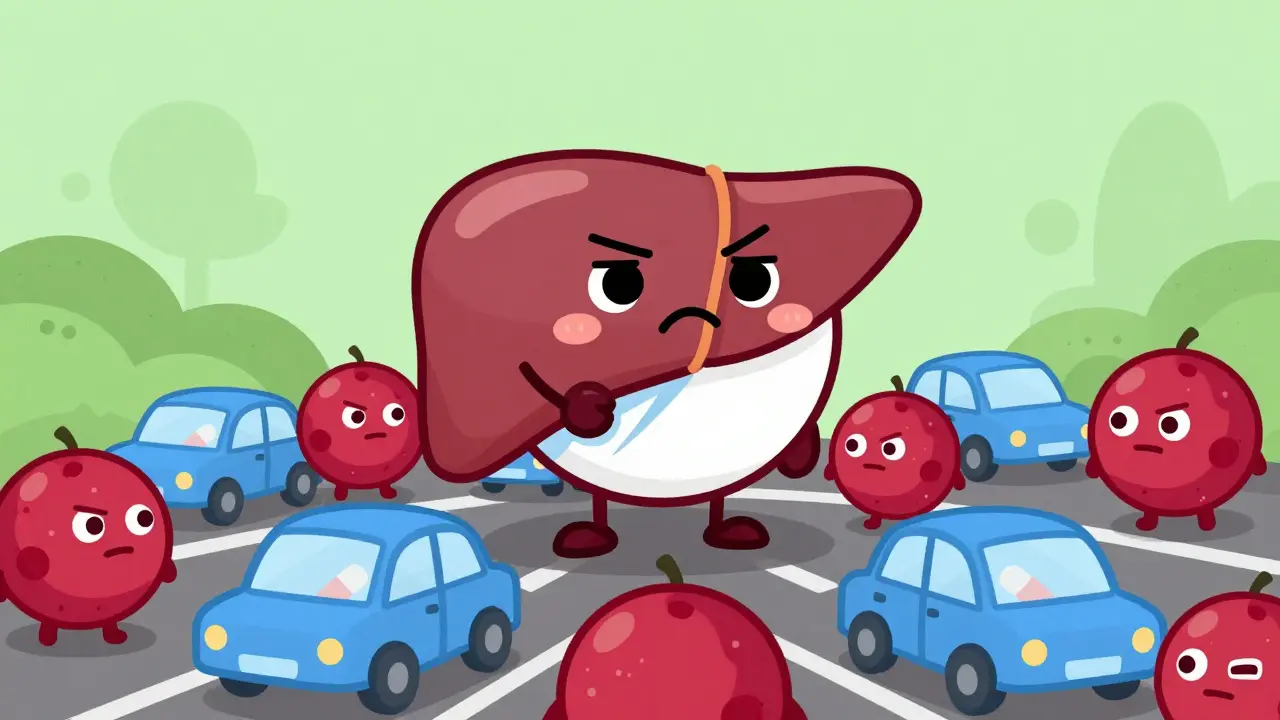
To understand the risk, we have to look at what happens inside your liver. Warfarin works by thinning your blood to prevent dangerous clots. However, it has a very narrow therapeutic window. This means the difference between a dose that protects you from clots and a dose that causes uncontrollable bleeding is tiny. Your body metabolizes Warfarin using enzymes, specifically the Cytochrome P450 2C9 (also known as CYP2C9) enzyme system.
Cranberries contain natural compounds called flavonoids, particularly quercetin. Research published in the PubMed database indicates that these flavonoids can inhibit the activity of the CYP2C9 enzyme. When this enzyme is blocked, your body cannot break down the active form of Warfarin (S-warfarin) as quickly as it should. As a result, Warfarin builds up in your bloodstream. Studies suggest this inhibition can increase systemic exposure to Warfarin by 30% to 50%. In plain English, you end up with much more drug effect than your doctor intended, even though you haven’t changed your pill dosage.
| Component | Role in Body | Interaction Effect |
|---|---|---|
| CYP2C9 Enzyme | Metabolizes ~70-80% of active S-warfarin | Inhibited by cranberry flavonoids |
| Quercetin | Flavonoid found in cranberries | Blocks CYP2C9 activity (IC50 ~5.0 μM) |
| S-Warfarin | More potent enantiomer of Warfarin | Accumulates in blood when metabolism slows |
Real-World Risks: What Happens to Your INR?
We measure how well Warfarin is working using a test called the International Normalized Ratio, or INR. It is a standardized number used to report prothrombin time results, indicating how long it takes blood to clot. For most people on Warfarin, the target INR range is between 2.0 and 3.0. If your INR goes above this range, your blood is too thin, and you are at risk of hemorrhage.
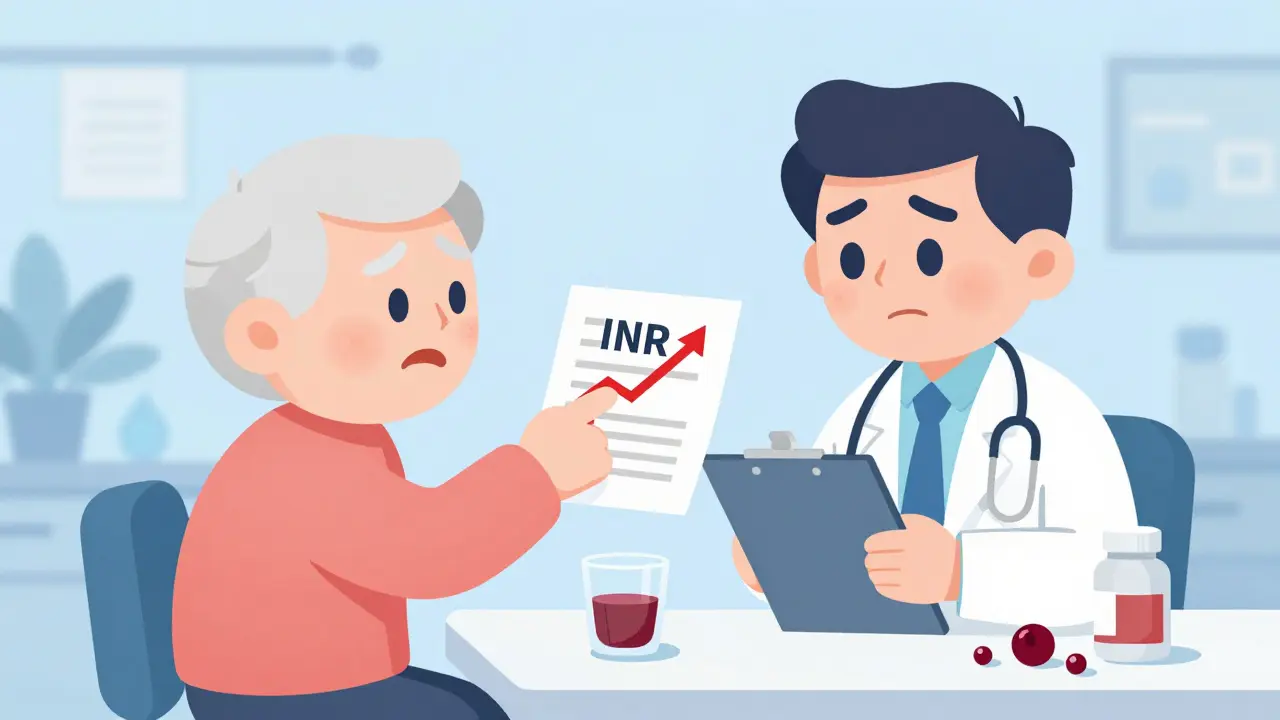
Case reports tell a stark story. In a 2007 study published in PubMed, a 78-year-old man taking a stable dose of Warfarin started drinking half a gallon of cranberry-apple juice per week. Within days, his INR skyrocketed to 6.45. That is more than double the upper limit of safety. Another case involved a 71-year-old woman who developed gastrointestinal bleeding after drinking cranberry cocktail daily for two weeks. Her INR jumped from a safe 2.5 to a dangerous 8.3 in just ten days.
The timeline for this reaction is quick. You might see an elevated INR within 3 to 7 days of starting cranberry products. The severity depends on how much you consume. While some cases involve large volumes (up to 1000 mL/day), there are reports of interactions occurring with as little as 150 mL/day. This variability makes it unpredictable and therefore risky.
Not All Cranberry Products Are Equal
It is important to distinguish between different forms of cranberry consumption. The risk is highest with concentrated sources. Here is how different products stack up:
- Cranberry Juice Cocktails: These are often cited in adverse event reports. Because they are sweetened and processed, they may contain higher concentrations of active compounds or be consumed in larger volumes than pure juice.
- Capsules and Extracts: Supplements standardized for proanthocyanidins (often marketed for UTI prevention) deliver a high dose of flavonoids directly, bypassing dilution. These pose a significant risk.
- Fresh or Frozen Whole Berries: Eating a small handful of whole cranberries occasionally is less likely to cause a spike than daily juice or supplements, but consistency is key. Even here, caution is advised due to individual genetic differences in metabolism.
A common misconception is that "natural" means "safe." In pharmacology, natural compounds can be powerful drugs. The FDA updated Warfarin labeling in 2005 specifically to warn patients about cranberry products. Health agencies like New Zealand’s Medsafe have issued explicit warnings to avoid cranberry products entirely while on Warfarin.
Individual Variability and Genetics
Why do some people seem fine while others suffer severe spikes? Genetics play a huge role. The CYP2C9 enzyme varies from person to person. Some individuals have genetic variants (such as *CYP2C9*2 or *CYP2C9*3) that make them "poor metabolizers." According to data from the Pharmacogenomics Knowledgebase (PharmGKB), these individuals may experience 2 to 3 times greater INR elevation from cranberry consumption compared to those with normal enzyme function.
This explains why controlled clinical trials sometimes show inconsistent results. In a group of healthy volunteers, the average effect might look small. But in real-world practice, you have patients with varying genetics, ages, and other medications. For the vulnerable minority, the consequence is not a slightly high number-it is a hospital visit for internal bleeding.
Management Strategies and Alternatives
If you take Warfarin, what should you do? The safest approach, recommended by experts like Dr. Sarah Jones from Massachusetts General Hospital, is complete avoidance. However, if you rely on cranberry products for recurrent urinary tract infections (UTIs), you need alternatives.
- Consult Your Doctor: Never stop or start any supplement without telling your anticoagulation manager.
- Consider Alternatives: For UTI prevention, ask your provider about methenamine hippurate or low-dose antibiotics. These do not interact with Warfarin.
- Monitor Closely: If you choose to consume cranberry products despite warnings, your INR must be checked within 3 to 5 days of initiation. Weekly monitoring thereafter is necessary if you continue consumption.
- Watch for Symptoms: Be alert for signs of bleeding, such as unusual bruising, nosebleeds, blood in urine or stool, or prolonged bleeding from cuts. If your INR rises above 3.5, discontinue cranberry products immediately and contact your healthcare provider.
Remember, the goal of Warfarin therapy is stability. Introducing variables like cranberry juice disrupts that stability. Direct Oral Anticoagulants (DOACs) are becoming more popular because they have fewer food interactions, but millions still use Warfarin. Until you switch or under strict medical supervision, keep cranberries off your menu.
Can I eat fresh cranberries if I am on Warfarin?
Eating small amounts of fresh cranberries occasionally is generally considered lower risk than drinking juice or taking supplements. However, because individual sensitivity varies, you should discuss even occasional consumption with your doctor. Consistency is key if you do consume them, but many experts recommend avoiding them entirely to eliminate unpredictability.
How long does it take for INR to rise after drinking cranberry juice?
INR elevations typically occur within 3 to 7 days of starting regular cranberry product consumption. In some sensitive individuals, changes can be detected as early as 2 days. If you start consuming cranberry products, schedule an INR check within this window to ensure safety.
Does cranberry juice affect other blood thinners besides Warfarin?
The primary concern is with Warfarin because it is metabolized by the CYP2C9 enzyme, which cranberry flavonoids inhibit. Direct Oral Anticoagulants (DOACs) like apixaban or rivaroxaban are metabolized differently and generally do not have this specific interaction. However, always consult your pharmacist regarding any new supplement with any medication.
What are the symptoms of excessive bleeding caused by high INR?
Symptoms include easy or excessive bruising, prolonged bleeding from cuts, nosebleeds, bleeding gums, red or brown urine, black or tarry stools, vomiting blood, or unusually heavy menstrual periods. If you experience any of these, seek medical attention immediately.
Are there safer alternatives to cranberry for UTI prevention?
Yes. If you are on Warfarin and prone to UTIs, talk to your doctor about methenamine hippurate, D-mannose (though evidence is mixed, it lacks the CYP2C9 interaction profile of cranberry), or prophylactic low-dose antibiotics. Hydration and proper hygiene practices are also critical non-pharmacological strategies.