
Echinacea and Immunosuppressants: Why This Combination Is Risky
Immune-Supplement Interaction Checker
Select your current medical status and the supplement you are considering to check for known biological conflicts.
Awaiting Selection
Please select both your medical status and a supplement to see the interaction analysis.
Imagine spending months on a waiting list for a life-saving organ transplant, finally getting the surgery, and then accidentally triggering a rejection episode because of a "natural" immune-boosting tea. It sounds like a nightmare, but for people taking immunosuppressants is a class of medications designed to reduce the immune system's activity to prevent the body from attacking transplanted organs or its own tissues, this is a real clinical danger. The conflict arises from a common herbal supplement that many people view as harmless: Echinacea.
The core problem is a direct biological contradiction. While some people take medications to quiet their immune system, they simultaneously take supplements to "wake it up." When you do both, you aren't just balancing things out; you are potentially neutralizing the very medicine keeping you healthy. If you are managing an autoimmune condition or recovering from a transplant, understanding these echinacea and immunosuppressants interactions isn't just a suggestion-it is a safety requirement.
Quick Takeaways for Your Safety
- The Conflict: Echinacea stimulates the immune system, while immunosuppressants suppress it. They work against each other.
- The Risk: Using both can make your prescription meds less effective, potentially leading to organ rejection or autoimmune flares.
- The Verdict: Most major medical organizations, including the American Society of Transplantation, recommend complete avoidance of Echinacea for transplant patients.
- The Warning: Don't assume "natural" means "safe." Always tell your doctor about every supplement you take.
What Exactly Is Echinacea?
Echinacea is a genus of flowering plants in the daisy family, widely used as an herbal remedy to support the immune system. Originally used by Native American tribes for wound healing and infections, it became a global bestseller in the 20th century. While it's marketed for fighting the common cold, it doesn't have FDA approval for any specific medical treatment.
From a chemistry perspective, Echinacea is complex. It contains alkamides, polysaccharides, and glycoproteins. These components don't just "boost" the immune system in a general sense; they actively trigger specific cellular responses. For example, they can activate neutrophils and macrophages-the "front line" soldiers of your immune system-and increase leukocyte mobility. In a healthy person, this might help fight a cold. In someone taking immunosuppressants, this is like putting a gas pedal on an engine that the doctor is trying to shut down.
How the Conflict Happens: The Biological Tug-of-War
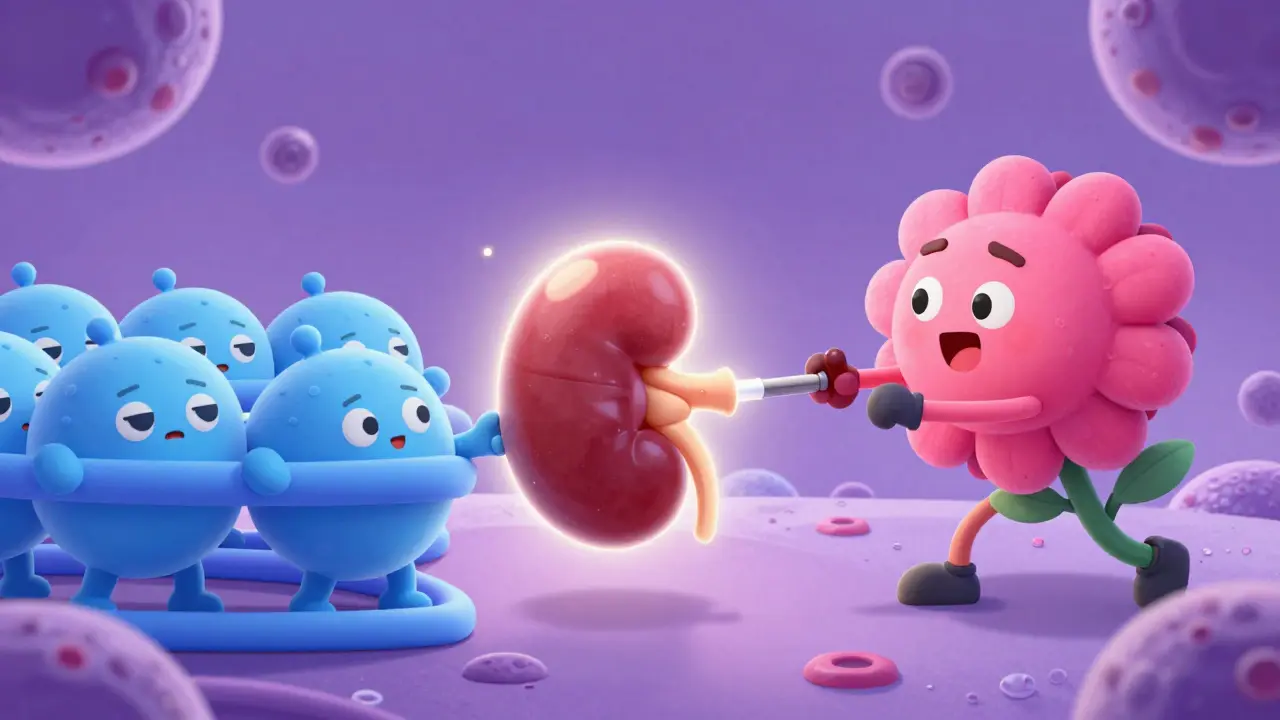
To understand why this is dangerous, you have to look at how these substances interact with your cells. Immunosuppressants like cyclosporine or tacrolimus work by blocking the signals that tell your T-cells to attack. They create a state of "immune tolerance."
Echinacea does the opposite. It stimulates phagocytosis and enhances respiratory activity in immune cells. When you take both, Echinacea may antagonize the effects of the medication. This means the supplement can effectively "cancel out" a portion of your medication's strength. If your drug levels drop below the therapeutic window because your immune system is being artificially stimulated, your body may start attacking your transplanted kidney or lung, or your autoimmune disease may flare up aggressively.
There is also a strange paradox with long-term use. While short-term use of Echinacea is immunostimulatory, some research suggests that using it for more than eight weeks might actually lead to immunosuppression. This creates an unpredictable environment for your healthcare provider, making it nearly impossible to stabilize your medication dosages.
| Supplement | Primary Effect | Interaction Risk with Immunosuppressants | Mechanism of Action |
|---|---|---|---|
| Echinacea | Immune Stimulation | High (Directly conflicts) | Activates macrophages and neutrophils |
| Milk Thistle | Liver Protection | Low/Moderate (Metabolic) | Affects liver enzymes (CYP450) |
| Ginger | Anti-inflammatory | Low | Mild inhibition of inflammatory pathways |
Real-World Consequences: Case Reports
These aren't just theoretical risks. Medical records show a pattern of serious complications. For instance, a 55-year-old man with pemphigus vulgaris (a severe skin disease) saw his condition worsen significantly after consuming Echinacea while on immunosuppressants. Despite further medical treatment, he only achieved a partial remission.
Even more alarming are the reports of blood-related issues. One 61-year-old man battling lung cancer developed profound thrombocytopenia-a dangerous drop in blood platelets-while taking Echinacea alongside chemotherapy drugs like cisplatin and etoposide. Another 32-year-old developed severe thrombotic thrombocytopenic purpura, a rare and life-threatening blood clotting condition, shortly after using the herb for respiratory symptoms.
On patient forums, the patterns are even more common. In one analysis of transplant patient posts, several individuals reported that they suddenly needed higher doses of their immunosuppressants to keep their organ stable after starting Echinacea. While these weren't all clinically diagnosed as "interactions," the timing is too consistent to be a coincidence.
Who Should Be Most Concerned?
If you fall into any of the following categories, you should be extremely cautious and likely avoid Echinacea entirely:
- Solid Organ Transplant Recipients: Whether it's a kidney, heart, or liver, the risk of graft rejection is too high to gamble with "immune support."
- Autoimmune Disease Patients: Those using methotrexate, azathioprine, or mycophenolate mofetil to treat conditions like rheumatoid arthritis or lupus.
- People on Corticosteroids: Long-term steroid use changes how your immune system reacts, and adding a stimulant can cause unpredictable flares.
- Patients Undergoing Chemotherapy: Because many chemo drugs have immunosuppressive properties, adding Echinacea can interfere with the treatment's goals.
How to Safely Manage Your Supplements
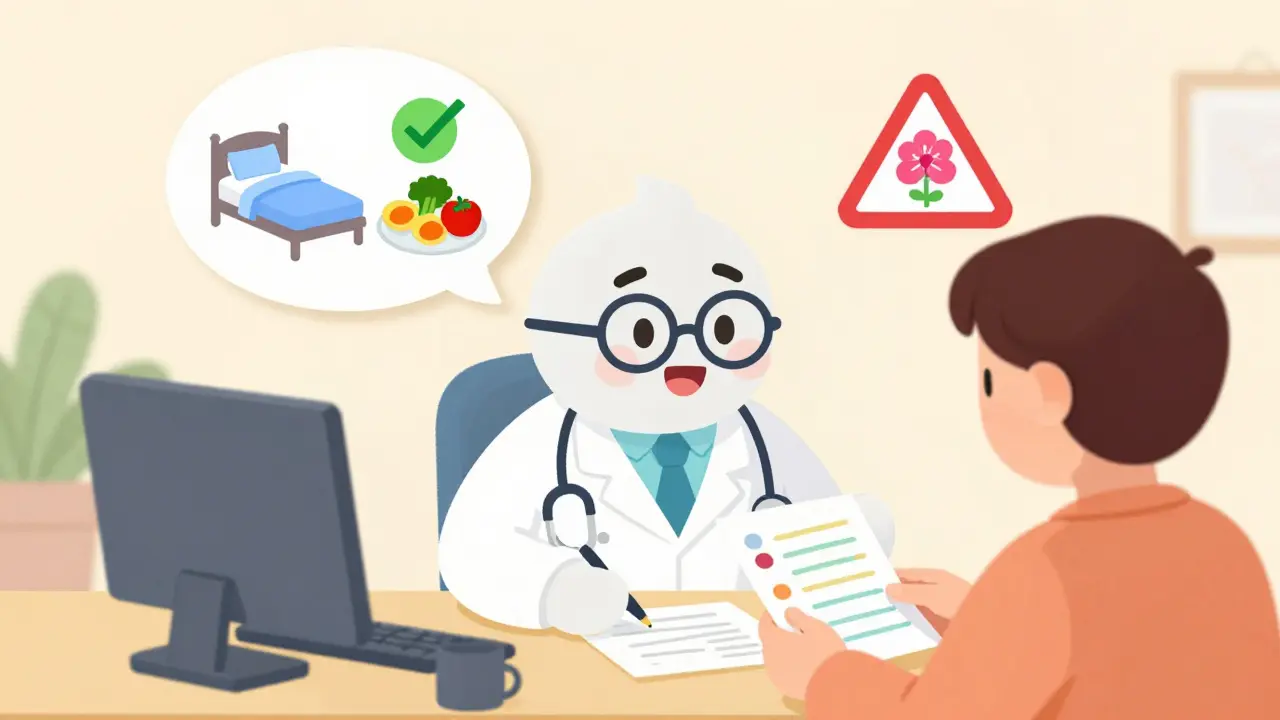
The biggest mistake patients make is thinking their doctor only needs to know about "real" medicine. Many people don't mention herbal teas or vitamins because they see them as food, not drugs. However, your pharmacist and doctor need a complete map of everything entering your system.
When you visit your clinic, bring a physical list of every supplement, including the brand name and dosage. Ask specifically: "Does this supplement interfere with the metabolic pathway of my medication?" or "Does this activate the immune cells that my medication is trying to suppress?"
If you are looking for ways to support your health without risking your transplant or managing a flare, focus on evidence-based basics: prioritized sleep, a balanced diet, and vaccinations (approved by your specialist). These support your overall wellbeing without triggering the biological "alarm system" that Echinacea activates.
Can I take Echinacea just for a few days to fight a cold?
If you are on immunosuppressants, the answer is generally no. Even short-term use can trigger an immune response that counteracts your medication. For transplant recipients, the risk of graft rejection is too severe to justify using the supplement for a common cold.
Does Echinacea interact with all immunosuppressants?
Yes, it can interact with a wide range of them, including cyclosporine, tacrolimus, methotrexate, and corticosteroids. The interaction isn't necessarily about the drug's chemistry, but about the opposing goals: the drug wants to suppress the immune system, and Echinacea wants to stimulate it.
Is there a "safe" dose of Echinacea for people with autoimmune diseases?
There is no established "safe" dose for people on immunosuppressive therapy. Because individual responses vary and the goal of the medication is to keep the immune system dormant, any level of stimulation could be problematic. Most rheumatologists recommend complete avoidance.
What are the signs that a supplement is interfering with my meds?
Signs can vary. For transplant patients, this might be a sudden rise in creatinine levels (for kidneys) or fever and flu-like symptoms indicating rejection. For autoimmune patients, it could be a sudden return of joint pain, skin rashes, or extreme fatigue that was previously controlled by medication.
Are there other "immune boosters" I should avoid?
Generally, any supplement marketed as an "immune booster" should be vetted by your doctor. This includes some high-dose vitamins and other herbs that stimulate T-cell activity. Always check with your medical team before adding anything to your routine.
14 Comments
This is a critical reminder for anyone managing chronic health issues. People often overlook the potency of herbal supplements, thinking they are just 'tea' or 'natural vitamins.' In reality, the pharmacological activity of something like Echinacea can be just as significant as a synthetic drug. It's always better to be safe and run every single supplement by your care team to ensure there's no conflict with your therapeutic window. Keep staying proactive about your health!
Oh wow, imagine actually thinking a flower is a 'cure-all' while your body is literally fighting a transplanted kidney. Truly a masterclass in decision making.
Typical propaganda from the 'medical organizations' to keep us scared of plants!! They just want you hooked on their expensive immunosuppressants and terrified of anything that actually boosts the body's own strength. It's all about control and profit margins, wake up people!
You people just don't get it. It's simple. You can't put a gas pedal and a brake on at the same time. If you're too blind to see that, you shouldn't be handling your own health anyway. Just follow the rules or suffer the consequences.
I totally agree with the focus on evidence-based basics here. Sleep and a balanced diet are the real MVPs for recovery! It's so great to see a guide that reminds us to communicate openly with our doctors. Let's all support each other in staying safe!
It must be so terrifying to realize a supplement you took for a simple cold could have put your organ at risk. I can only imagine the stress that creates for a patient.
The paradox of long-term use mentioned is the only interesting part of this. Most people just follow the herd without understanding the systemic cycle of stimulation and subsequent suppression. It's quite basic biology if you actually bother to think about the equilibrium of the human body.
stop trusting random herbs and just listen to your specialist if you want to survive long term stop playing games with your life
Safety first! 🛡️ Always check with your doc before trying new things! 💊✨
It is most prudent to maintain a comprehensive record of all supplements. Such a practice ensures that there is no misunderstanding between the patient and the medical professional, fostering a harmonious and safe treatment environment for all parties involved.
Absolutely!!! This is so important!!! Please, please, please tell your doctors EVERYTHING!!! It's the only way to stay safe!!!
I'm just glad this information is out there. Many of us want to help our loved ones feel better, but we don't always realize that the 'natural' route can be dangerous. It's a learning process for everyone involved.
Only a fool would ignore the science of their own country's medical boards. If you want to live like a caveman and eat weeds then don't complain when your body shuts down. Total lack of common sense
It is truly heartening to see such clear guidance provided here. While the risks are certainly significant, I believe that with the right communication and support, patients can navigate their health journeys successfully. We should all stay positive and focused on the path to wellness through professional guidance.