
Generic Drug Savings: How $482 Billion in Healthcare Cuts Work
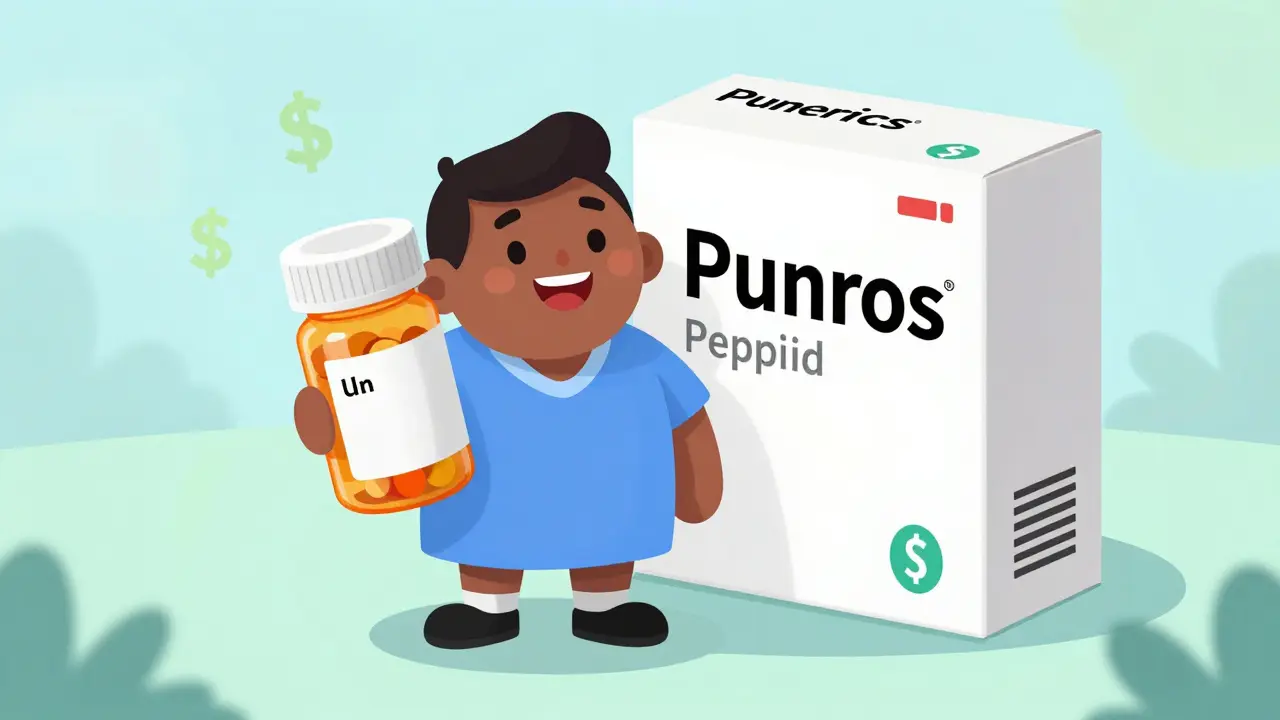
Imagine if you could buy the exact same car for one-tenth of the price. Now imagine that happens with almost every prescription filled in the United States. That is exactly what is happening with generic drugs. In 2024, generic medications saved the U.S. healthcare system a staggering $482 billion. This isn't just a nice-to-have statistic; it is the primary reason prescription drug costs haven't spiraled even higher despite rising volumes.
Yet, most people still don't fully understand how these savings are generated or why they matter so much to your wallet and the broader economy. You might know that generics are cheaper, but do you know *why* they are cheaper? Do you know what threatens these savings next year? Let's break down the numbers, the mechanics, and the future of drug pricing without the jargon.
The Math Behind the Miracle: Generics vs. Brand Names
To understand the value of generics, you have to look at the sheer imbalance between volume and cost. According to the 2025 U.S. Generic & Biosimilar Medicines Savings Report by the Association for Accessible Medicines (AAM) and The IQVIA Institute, the data from 2024 tells a clear story.
| Metric | Generic Drugs | Brand-Name Drugs |
|---|---|---|
| Prescriptions Filled | 3.9 billion (90%) | 435 million (10%) |
| Total Spending Share | $98 billion (12%) | $700 billion (88%) |
| Average Cost per Prescription | ~$25 | ~$1,609 |
Look closely at those numbers. Brand-name drugs make up only 10% of prescriptions but consume 88% of the money spent on medication. Meanwhile, generics handle 9 out of every 10 prescriptions while taking up just 12% of the budget. This disparity is where the $482 billion in savings comes from. It represents the difference between what we would have paid if everyone took brand-name drugs versus what we actually paid.
This trend has been consistent. Since 2016, generics have consistently made up 90% of prescriptions. Even more impressive, their share of total spending dropped from 27% in 2016 to 12% in 2024. Despite filling billions more prescriptions, total generic spending actually decreased by $6.4 billion since 2019. That is efficiency at scale.
What Are Biosimilars and Why Do They Matter?
If you think generics are just for simple pills like ibuprofen or statins, you are missing half the picture. Enter Biosimilars, which are biologic medicines that are highly similar to an already approved reference biologic product. Unlike small-molecule generics, biologics are complex proteins created using living cells. You cannot simply copy them molecule-for-molecule, so regulators approve "biosimilars" that demonstrate no clinically meaningful differences from the original.
Biosimilars are the next frontier in cost containment. Since 2015, biosimilars have supported approximately 3.3 billion days of patient therapy. More importantly, competition from biosimilars has enabled more than 460 million incremental days of therapy that patients likely would not have received due to cost barriers.
The impact is visible in real-world market shifts. Take Humira, once the best-selling drug in history. When its patent expired, private-label strategies helped boost biosimilar uptake from just 3% to 28% in 2024. This wasn't magic; it was health plans actively steering patients toward lower-cost options. Now, Stelara, another multi-billion-dollar biologic, is facing similar disruption. Seven FDA-approved biosimilars entered the market in 2025 at prices more than 80% lower than the reference product. For health plans, biosimilar adoption has been the leading cost deflator for three consecutive years, according to PwC's 2025 Medical Cost Trend report.
The Hidden Threat: The "Biosimilar Void"
Here is the catch. While current generics and biosimilars are saving us hundreds of billions, the pipeline for future savings is dangerously thin. The AAM report identifies a critical vulnerability known as the "biosimilar void."
Ninety percent of brand-name biologics losing patent protection in the next ten years currently have zero biosimilar competition in development. This represents a potential missed savings opportunity of $234 billion over the next decade. Why is this happening? Developing biologics is expensive, risky, and complex. Without guaranteed reimbursement or streamlined approval processes, manufacturers hesitate to enter these markets.
If this void continues, we will see a resurgence of high-cost specialty drugs driving up premiums and out-of-pocket expenses. The $482 billion in savings we enjoyed in 2024 may not be sustainable unless policy changes encourage more biosimilar entry. This is why experts like Dr. Aaron Kesselheim from Harvard Medical School emphasize that while generics are the single most effective mechanism for controlling costs, we must protect the infrastructure that allows them to thrive.
How Policies and Practices Shape Your Costs
Savings don't happen automatically. They require active management by insurers, governments, and providers. Several key factors determine whether you benefit from generic pricing:
- Prior Authorization Streamlining: Health plans that remove bureaucratic hurdles for generic substitutions see faster adoption rates. If a pharmacist has to call your doctor every time they swap a brand for a generic, the process slows down and costs rise.
- Fair Reimbursement for Biosimilars: Pharmacists and providers need adequate payment margins to stock and administer biosimilars. If the reimbursement is too low, pharmacies may refuse to carry them, forcing patients back to expensive brands.
- Anti-Competitive Practices: Brand-name manufacturers often use "pay for delay" agreements, paying generic makers to hold off launching their cheaper versions. Blue Cross Blue Shield reports that brand-name companies spend an average of $1.2 billion annually on these settlements. These practices artificially maintain high prices and delay savings for patients.
Government intervention is also playing a larger role. The Inflation Reduction Act capped insulin costs at $35 per month for Medicare beneficiaries starting in 2025. Similarly, recent Most-Favored-Nation pricing initiatives have seen major players like Eli Lilly reduce the price of Ozempic from $1,000 to $350 per month. While these are brand-name drugs, they signal a shift toward aggressive price negotiation that complements generic savings.

Real-World Impact on Patients and Providers
Behind the billions in dollars are individual stories of financial relief. GoodRx's April 2025 research found that nearly 1 in 12 Americans have medical debt directly tied to prescription costs. For many, access to a generic alternative is the difference between taking their medication and skipping doses.
Consider asthma treatment. A patient switching from brand-name albuterol to a generic version can save around $300 per month. Over a year, that is $3,600 kept in the family's pocket. On the other end of the spectrum, CMS data shows that less than 1% of Medicare beneficiaries who reach catastrophic coverage use only generic drugs. This suggests that even seniors with significant savings mechanisms are being driven into high-cost tiers by brand-name specialty medications.
However, there are nuances. Some patients report frustration with "therapeutic interchanges," where pharmacists substitute different generic brands that may have slight variations in inactive ingredients or appearance. While bioequivalent, these changes can cause anxiety or perceived efficacy issues. Clear communication between pharmacists and patients is essential to maintain trust in the generic system.
Looking Ahead: Can We Maintain These Savings?
The outlook for 2026 and beyond is mixed. On one hand, projections suggest that increased generic and biosimilar utilization could reduce total U.S. prescription drug spending by 15-18% by 2030 if current trends continue. The generic pharmaceutical industry supports approximately 350,000 jobs across 46 states, proving that low-cost drugs also drive economic stability.
On the other hand, total prescription drug spending is projected to reach $776 billion by 2033, growing at 6.2% annually. Specialty drugs alone are expected to hit $1.2 trillion by 2030. To counter this, Stanford Medicine's policy analysis suggests expanding Medicare's drug price negotiations to 30 drugs per year starting in 2026. This could generate $500-550 billion in savings over a decade, potentially exceeding $1 trillion if extended to Medicaid and commercial plans.
The key takeaway is this: generic drugs are not just a cheap alternative; they are the backbone of affordable healthcare. Protecting their market share, encouraging biosimilar innovation, and eliminating anti-competitive delays are not just industry concerns-they are public health imperatives.
Are generic drugs as safe and effective as brand-name drugs?
Yes. The FDA requires generic drugs to be bioequivalent to their brand-name counterparts. This means they contain the same active ingredient, strength, dosage form, and route of administration. They must meet the same strict quality standards for identity, strength, purity, and stability. The only differences are usually in inactive ingredients, color, or shape, which do not affect clinical performance.
Why are biosimilars not replacing all brand-name biologics yet?
Several factors slow biosimilar adoption. First, the "biosimilar void" means few competitors exist for many expiring biologics. Second, some physicians prefer prescribing familiar brand names due to lack of education about biosimilars. Third, reimbursement structures sometimes fail to incentivize pharmacies to stock biosimilars. Finally, complex prior authorization processes can block automatic substitution.
What is "pay for delay" and how does it hurt consumers?
"Pay for delay" occurs when a brand-name drug manufacturer pays a generic competitor to postpone launching their cheaper version. This extends the brand's monopoly period, keeping prices artificially high. Consumers miss out on lower prices during this delayed period, and overall healthcare spending increases unnecessarily. Regulatory bodies are increasingly scrutinizing these agreements as anti-competitive.
How much can I save by switching to generic medications?
Savings vary by medication, but generics typically cost 80-85% less than brand-name equivalents. For common chronic conditions like hypertension or diabetes, annual savings can range from hundreds to thousands of dollars. In 2024, the aggregate national savings were $482 billion. Individual savings depend on your insurance plan's formulary and copay structure, but asking your doctor for a generic option is always a good first step.
Will the $35 insulin cap apply to non-Medicare patients?
The $35 monthly cap for insulin initially applies to Medicare beneficiaries starting in 2025. However, similar caps are expanding to commercial insurance plans by 2027. Additionally, many major manufacturers have voluntarily implemented $35 caps for all commercially insured patients, regardless of income. Check with your specific insurer to confirm coverage details.
8 Comments
Typical American healthcare inefficiency disguised as a victory. We are spending billions on bureaucracy while our own manufacturing base crumbles. The real issue isn't the price of pills, it's that we've outsourced our sovereignty to foreign entities and now act surprised when the bill comes due. We need domestic production mandates, not just cheap imports from who knows where. This is about national security, not just savings.
I think Javier makes a fair point about production, but let's keep it simple for everyone reading this. Generic drugs save money because companies don't have to pay for the original research and development costs again. It is like buying a house that someone else already built and fixed up. You get the same shelter for less money because you didn't build it from scratch. This helps families keep more cash for other needs like food or rent. It is a straightforward way to lower costs without changing the medicine itself.
The illusion of choice 🎭. They tell us we are saving $482 billion, but who really benefits? The pharmaceutical giants still hold the keys to the kingdom. Biosimilars are just a new word for the same old monopoly game. We are dancing in a cage of our own making, believing that a slightly cheaper pill equals freedom. But what is the cost of our compliance? Are we truly free if our health depends on corporate mercy? 🤔💊
I agree with Warren that the concept is simple, but the execution is often flawed due to reimbursement issues. Pharmacists need fair margins to stock these items otherwise they will just push brands. I have seen many local pharmacies refuse biosimilars because the insurance payout was too low to cover their overhead. This creates a paradox where the patient wants the cheap option but the system forces them to buy the expensive one. We need policy changes that align incentives for all parties involved in the supply chain.
It is interesting to consider the philosophical implications of 'bioequivalence'. If two things are functionally identical, does the brand name hold any intrinsic value beyond marketing? I believe it highlights our societal tendency to equate price with quality, even in science. However, the optimism lies in the potential for widespread access. If we can maintain these savings, we democratize health. That is a noble goal worth fighting for, despite the corporate maneuvering described above.
I am so glad we are having this conversation because it really empowers us to make better choices for our families! 😊 When I switched to generic versions of my medications, I noticed a huge difference in my monthly budget which allowed me to finally start saving for emergencies. It feels great to know that I am getting the exact same medical care without breaking the bank. Let us continue to support policies that keep these options available and accessible for everyone in our community! 💪✨
i read about the biosimilar void thing and its kinda scary tbh. if no one is making the next generation of cheap biologic drugs then we are just gonna go back to paying thousands for everything. why is it so hard to develop these things? is it just greed or is the science actually that difficult? i feel like we should be pushing harder for government funding to bridge that gap instead of waiting for private companies to figure it out.
Another long article about how pharma is evil. Read the first paragraph, skimmed the rest. Still overpriced.