
Generic Price Transparency: Tools to Find the Best Price for Prescription Medications
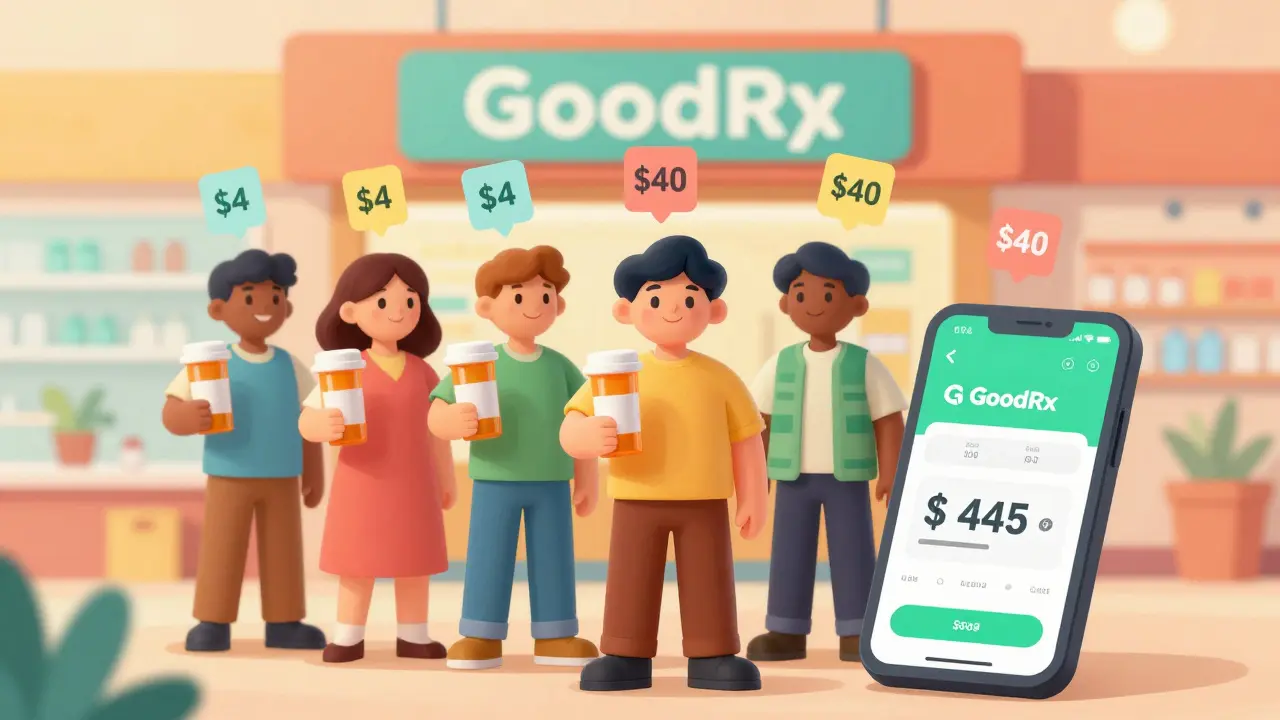
When you need a generic medication, you expect it to be cheap. But too often, the price jumps from $4 to $40 just by walking into a different pharmacy. Why? Because the system is broken. List prices, rebates, pharmacy contracts, and insurance layers hide the real cost from you - the person paying out of pocket. The good news? Tools exist to cut through the noise and show you exactly where to get the best price on your meds. You just need to know which ones to use.
Why Generic Drug Prices Vary So Much
Generic drugs are supposed to be affordable copies of brand-name pills. But their prices aren’t set by the government or even by the manufacturer. They’re set by a tangled web of pharmacy benefit managers (PBMs), insurers, and pharmacies. A pill that costs $3 at Walmart might be $28 at CVS - even if it’s the exact same drug, same dose, same maker. That’s because pharmacies get paid different amounts based on contracts with PBMs. Some get a flat fee per prescription. Others get reimbursed based on a Maximum Allowable Cost (MAC) list - a secret pricing schedule that changes often and rarely matches what you see online. And then there’s insurance. Your plan might cover the drug, but only if you use a specific pharmacy. Or it might cover it at 80% - but only after you hit your deductible. Even if you’re insured, you might still pay more than someone paying cash. That’s why checking prices before you fill a prescription isn’t just smart - it’s necessary.Real-Time Benefit Tools (RTBTs) for Doctors and Pharmacies
If you’re seeing a doctor, ask them if they use a Real-Time Benefit Tool. These are integrated systems that pop up on the computer screen while your provider writes your prescription. They show your specific out-of-pocket cost based on your insurance plan, available generics, and even patient assistance programs. Platforms like CoverMyMeds and Surescripts connect directly to your insurer’s system and give you a live quote - not a guess. As of 2025, about 42% of U.S. physician practices use these tools. In clinics that do, patients save an average of 37% on their prescriptions by switching to lower-cost alternatives. One doctor in Minnesota reported a patient saved $287 a year just by choosing a different pharmacy. These tools don’t just show price - they suggest cheaper generics, check if you qualify for free drug programs, and even tell you if a different dosage might be cheaper (like splitting a 20mg pill instead of buying two 10mg pills). But here’s the catch: not every doctor uses them. And even when they do, the data isn’t always perfect. Formularies change weekly. Some specialty drugs don’t show up. And if your insurer isn’t connected to the system, you’ll get a blank screen. Still, when it works, it’s the most accurate way to know what you’ll pay before you leave the office.Consumer Apps: GoodRx, SingleCare, and Others
If your doctor doesn’t use a real-time tool, you can still check prices yourself. Apps like GoodRx, SingleCare, and RxSaver let you search for your medication by name and see prices at nearby pharmacies. GoodRx alone is used by 43% of U.S. pharmacies, according to J.D. Power’s 2024 survey. You can print a coupon or show the app at the counter - and many pharmacies honor it. But don’t trust the numbers blindly. A 2025 Trustpilot review from a user in Texas said: “The app showed $4. I got there, and the pharmacy said $15. They said their system didn’t match.” That’s because these apps often show the lowest possible price - sometimes from a pharmacy 20 miles away, or one that only offers it to cash-paying customers without insurance. If you’re insured, your plan’s negotiated rate might be better than the coupon. Always ask the pharmacist: “What’s my price with insurance vs. without?” Some apps also let you compare prices across multiple locations at once. SingleCare, for example, shows you the top 5 pharmacies near you with the lowest prices - and includes estimated wait times. That’s useful if you’re in a hurry or need to plan your route.State Transparency Laws Are Changing the Game
In 2025, 23 states had passed laws forcing drug manufacturers and PBMs to report pricing data. California requires drugmakers to justify price hikes over 16% in two years. Minnesota’s law goes further - it created a Prescription Drug Affordability Board that can cap prices on high-cost generics. In Minnesota, a patient used the state’s public portal to find a 92% price difference between two pharmacies for the same generic blood pressure pill. That’s not a fluke. It’s the result of state-level pressure forcing transparency. These laws don’t just help patients - they help doctors. When providers can see what prices are being charged in their state, they can make smarter prescribing choices. Some states even publish MAC lists publicly, so pharmacies and patients can compare what’s considered a “fair” price for generics. But there’s a limit. Most of these laws still don’t require disclosure of net prices after rebates. That means you’ll see the wholesale price - but not what the insurer actually paid after negotiating with the drugmaker. That gap keeps the system opaque. Still, it’s progress.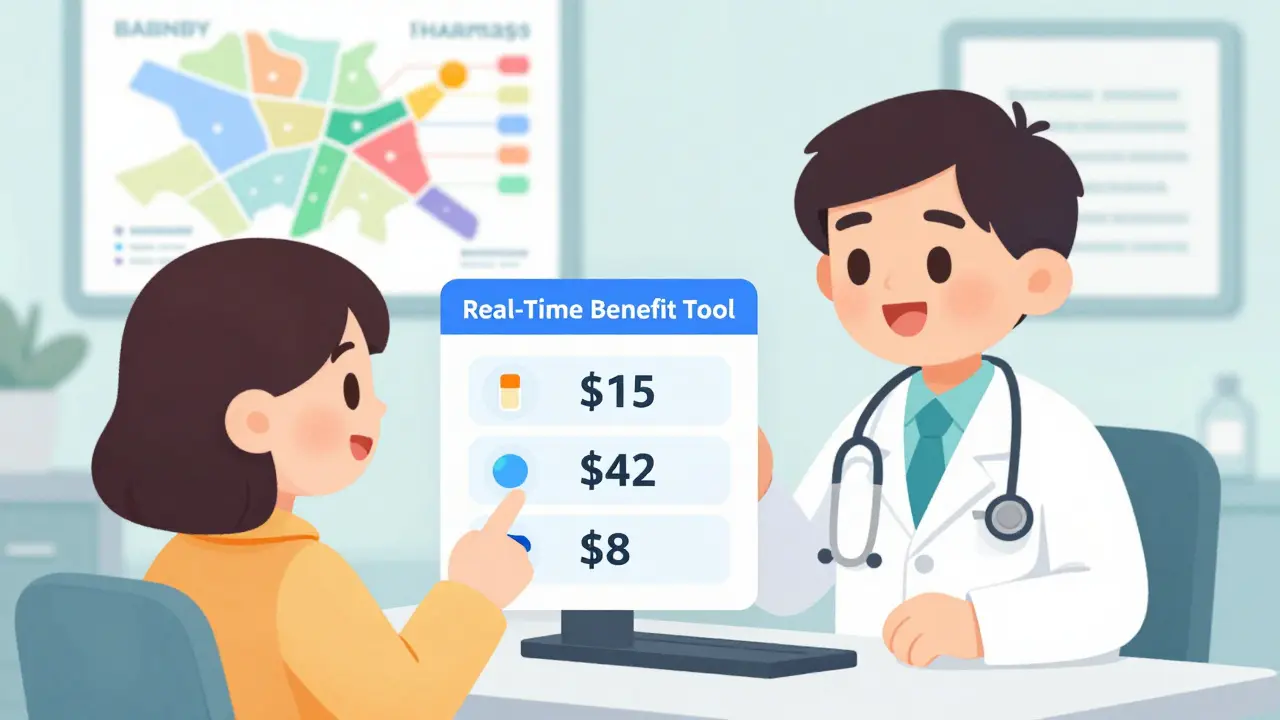
What You Can Do Right Now
You don’t need to wait for a law or a doctor’s office upgrade. Here’s what works today:- Search your medication on GoodRx or SingleCare - note the lowest cash price.
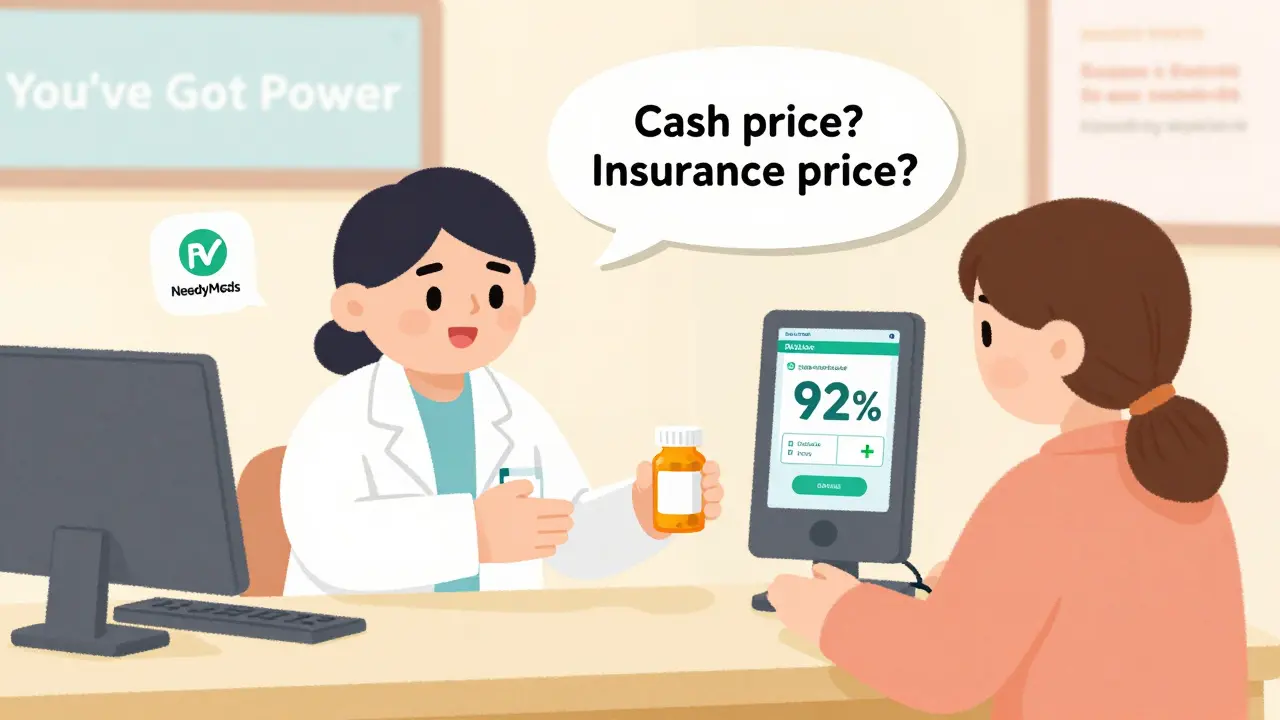
- Call your pharmacy and ask: “What’s my out-of-pocket cost with my insurance?” Then ask: “What’s the cash price?”
- Check if your insurer has a price tool - many Blue Cross, UnitedHealthcare, and Aetna plans have online portals that show estimated costs before you fill.
- Ask your doctor for alternatives - sometimes a different generic brand or a slightly higher dose costs half as much.
- Use RxAssist or NeedyMeds - these sites connect you to free or discounted drug programs from manufacturers. Over 1.2 million people used them in 2024.
The Big Problem: Net Prices Are Still Hidden
The biggest flaw in today’s transparency tools? They rarely show the real price - the net price after rebates. PBMs negotiate secret discounts with drugmakers, then pass some savings to insurers - but rarely to you. That’s why a drug might cost $100 on the list, but the insurer only pays $30. You still pay $40 because your copay is based on the list price, not the net. The Drug-price Transparency for Consumers Act of 2025 (S.229) would fix this for ads - requiring drug companies to show the wholesale price in commercials. But it doesn’t touch copays. Experts like Dr. Dan Arnold from Avalere Health say: “Without fixing the rebate system, transparency alone won’t lower what patients pay.” Until that changes, your best defense is to shop around, ask questions, and never assume your first quote is the lowest.How to Talk to Your Pharmacist About Price
Pharmacists know more than you think. They see pricing trends every day. Here’s what to say:- “I’m trying to keep costs down. Is there a cheaper generic version?”
- “Can you check if this drug is on my plan’s formulary?”
- “Do you have a discount program or loyalty card?”
- “Is there a 90-day supply option? Sometimes it’s cheaper per pill.”
- “Can you call my doctor to see if a different medication would work?”
What’s Next for Price Transparency
In 2025, the Medicare Two Dollar Drug List Model was canceled - a federal attempt to cap prices on 100 high-cost drugs. That was a setback. But new state laws are stepping in. More insurers are rolling out real-time cost tools. And patients are demanding answers. The market for price transparency tech is growing fast - projected to hit $4.9 billion by 2029. That means more tools, better data, and faster updates. But until net prices are made public, you’ll still need to be your own price detective.Frequently Asked Questions
Why is my generic drug more expensive than the brand-name version?
It’s rare, but it happens. Sometimes, the brand-name drug has a discount program or coupon you’re not using. Other times, your insurance plan has a special deal with the brand manufacturer - maybe because the generic hasn’t been approved for your condition yet. Always check both prices. You might be paying more than you need to.
Can I use GoodRx if I have Medicare?
Yes - but only if you’re paying out of pocket. Medicare Part D doesn’t allow you to combine GoodRx coupons with your plan’s coverage. If you’re in the coverage gap (donut hole), GoodRx might still save you money. Always ask your pharmacist to compare your Medicare price with the GoodRx price before you pay.
Do all pharmacies honor GoodRx coupons?
Most do - but not all. Chain pharmacies like CVS, Walgreens, and Walmart accept them regularly. Independent pharmacies may not. If they refuse, ask them to call the number on the coupon. Sometimes the system just needs to be reset. If they still won’t honor it, try another location.
Are there free generic drugs available?
Yes. Many drug manufacturers offer free or low-cost programs for low-income patients. Programs like RxAssist, NeedyMeds, and Partnership for Prescription Assistance connect you directly to these. You’ll need to apply and prove income, but many people get 30-90 days of free medication. Over 78% of applicants in 2024 received their meds at no cost.
Why does my price change every time I refill?
PBMs update their Maximum Allowable Cost (MAC) lists monthly. Your insurer might have switched pharmacies, changed their contract, or adjusted your tier. Even small changes - like switching from one generic manufacturer to another - can affect your copay. Always check your price before each refill. Don’t assume it’s the same.
Next Steps: What to Do Today
If you take one or more generic medications, do this now:- Open GoodRx or SingleCare and search for your top three prescriptions.
- Call your pharmacy and ask for the cash price and your insurance price.
- If you’re paying more than $20 a month on a generic, ask your doctor about alternatives.
- Visit RxAssist.org and search for your drug - you might qualify for free medication.
- Set a calendar reminder to check prices every 90 days - they change often.
11 Comments
I used to pay $38 for my blood pressure med until I found GoodRx. Now I pay $7. I didn’t even know I could do this. Why does it have to be this hard just to afford medicine?
Thanks for posting this. I’m telling all my friends.
Price transparency is just capitalism with a bandaid. The system was never meant to serve you. It was built to extract. The real crime isn’t the markup-it’s that we’ve been trained to accept it as normal. We don’t need apps. We need revolution.
So if the MAC lists change monthly, how often do the apps like GoodRx update their data? Do they pull from the same source as pharmacies or just scrape old info? I’ve had it show $4 then charge $18 and I’m wondering if it’s just outdated.
Let’s be clear: the PBM oligopoly is a textbook case of rent-seeking behavior. The lack of net-price disclosure creates asymmetric information asymmetry, which is a market failure of epic proportions. GoodRx is a band-aid on a hemorrhage. We need structural reform-not coupon culture. :/
Hey everyone-just wanted to say this post is so helpful. I’ve been scared to ask my pharmacist anything because I didn’t want to seem ‘difficult.’ But now I know it’s totally okay to say ‘what’s the cash price?’ or ‘is there a cheaper version?’
One time I asked if I could split a 20mg pill instead of buying two 10s and they said yes-and saved me $50 a month. No one told me that was an option.
You’re not being annoying. You’re being smart. And you deserve to know what you’re paying for.
Why do we even need apps? In my day, you just paid what they asked. If you couldn’t afford it, you didn’t take it. This whole ‘shopping around’ thing is just entitlement. Maybe if people stopped demanding cheap drugs, the system wouldn’t be so broken.
Let’s deconstruct the epistemology of pharmaceutical pricing: the MAC list is a performative construct-its opacity is not accidental but ontological, a structural feature of neoliberal healthcare capitalism. The consumer, in their naive quest for ‘transparency,’ is merely participating in the spectacle of agency-while the true arbiter of value, the rebate, remains hidden in the shadow economy of PBMs. The irony? You think you’re saving money… but you’re just optimizing within a rigged frame. :|
GoodRx is garbage. I’ve used it 5 times. 4 times it was wrong. The 5th time it worked, but only because the pharmacy had a typo in their system. You’re better off just crying in the parking lot.
Hey I just tried this and it worked! I got my insulin for $20 instead of $120. You gotta try it! But also I called my senator and told them to fix this. You should too. Here’s their number: 202-224-3121. I’ll wait.
Yo from Texas-just wanted to say SingleCare saved my life last month. My dad’s cholesterol med went from $80 to $12. Pharmacist didn’t even know the coupon existed at first. Had to call corporate. But they honored it after 20 mins. Worth it. Also, if you’re on Medicare, try NeedyMeds-they got a program for seniors that’s legit. No cap, no BS.
My mom just started using RxAssist. Got 3 months of free thyroid med. She cried. I cried. We’re not asking for much. Just to not choose between meds and groceries.