
Heart Valve Diseases: Understanding Stenosis, Regurgitation, and Modern Surgical Treatments
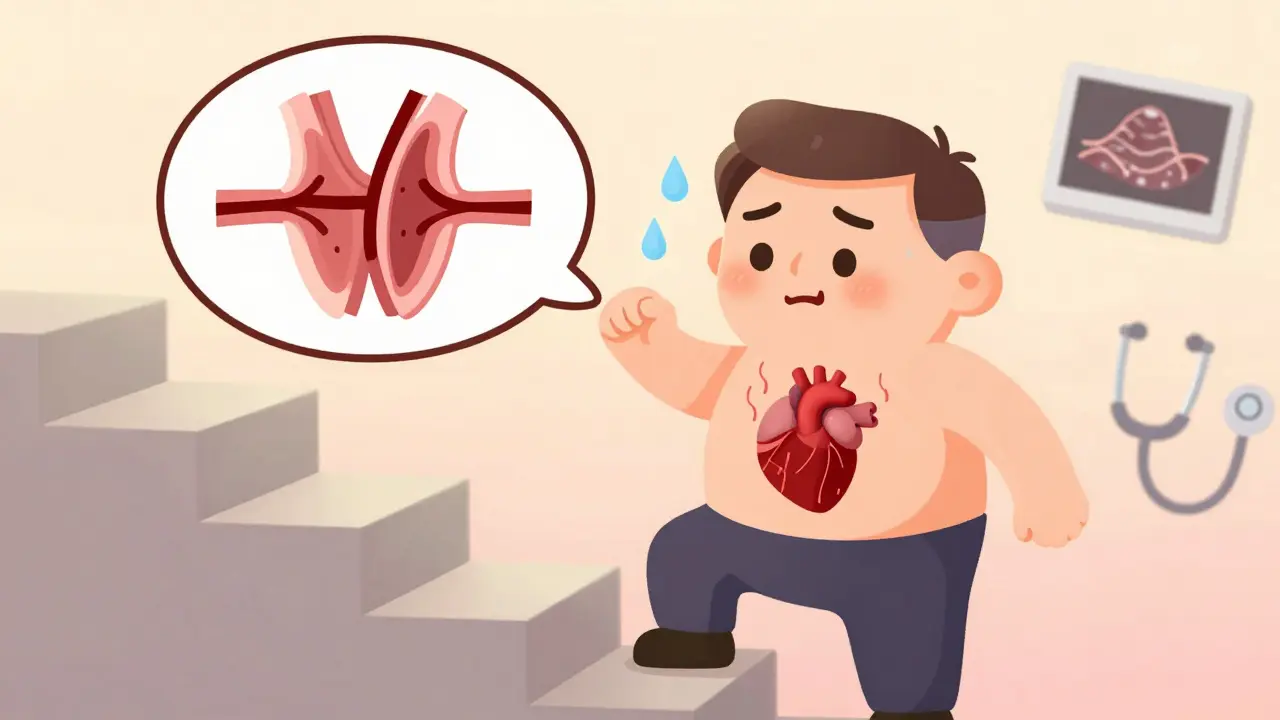
When your heart valve doesn’t open or close right, your whole body feels it. You might not notice at first-just a little tired after walking up the stairs, or short of breath when you bend over to tie your shoes. But if left untreated, a faulty heart valve can lead to heart failure, irregular rhythms, or even sudden death. Heart valve diseases aren’t rare. In the U.S., 8.3 million people live with significant valve problems, and nearly 1 in 5 adults over 75 have one. The two main types-stenosis and regurgitation-work in opposite ways, but both force your heart to work harder, and both can be fixed.
What Happens When a Heart Valve Fails
Your heart has four valves: mitral, tricuspid, aortic, and pulmonary. They’re like one-way doors. When they open, blood flows forward. When they close, they stop it from leaking backward. Stenosis means the valve is too stiff or narrowed to open fully. Regurgitation means it doesn’t seal shut, so blood leaks back the way it came. Either way, your heart has to pump harder to make up for the loss.Aortic stenosis is the most common serious form. It happens when the aortic valve, which sends blood from your heart to the rest of your body, gets clogged with calcium. By age 65, about 2% of people have severe aortic stenosis. Mitral stenosis is rarer in the U.S., mostly tied to rheumatic fever from childhood infections-still common in developing countries. On the flip side, mitral regurgitation is more widespread. It can be caused by a stretched valve ring, a torn chord, or just aging. Aortic regurgitation often comes from a damaged valve leaflet or an enlarged aorta.
Doctors measure severity with numbers. Severe aortic stenosis means the valve opening is smaller than 1.0 cm² (about the size of a pencil eraser), with blood rushing through at over 4.0 meters per second. For mitral stenosis, a valve area under 1.5 cm² is considered severe. Regurgitation is graded from mild to severe based on how much blood leaks back. These aren’t guesses-they’re based on echocardiograms, CT scans, and pressure readings.
Stenosis vs. Regurgitation: Symptoms and Differences
Stenosis and regurgitation don’t feel the same. With stenosis, your heart has to push harder to get blood through a tight opening. That means your left ventricle thickens, and you feel it with chest pain, dizziness, or fainting. About half of people with severe aortic stenosis report angina. One in three has passed out during activity. By the time these symptoms show up, the disease is already advanced.
Regurgitation is sneakier. Blood flows backward, so your heart fills with extra volume. You might not feel anything until your heart starts to stretch. Fatigue is the big clue-79% of mitral regurgitation patients report constant tiredness. Shortness of breath on exertion hits 71% in aortic regurgitation. Some feel their heart pounding, especially at night. Unlike stenosis, regurgitation doesn’t always cause chest pain. That’s why it’s often missed until an echo shows the leak.
Here’s how they compare:
| Feature | Stenosis | Regurgitation |
|---|---|---|
| Primary Problem | Valve won’t open fully | Valve won’t close fully |
| Heart Strain Type | Pressure overload | Volume overload |
| Common Symptoms | Chest pain, fainting, shortness of breath | Fatigue, palpitations, swelling in legs |
| Typical Cause (Aortic) | Calcium buildup (70%) | Leaky leaflet, aorta dilation |
| Typical Cause (Mitral) | Rheumatic fever (80% globally) | Chord rupture, dilated heart |
| 5-Year Survival (Untreated Severe) | 50% | 60-70% |
When to Act: Timing Is Everything
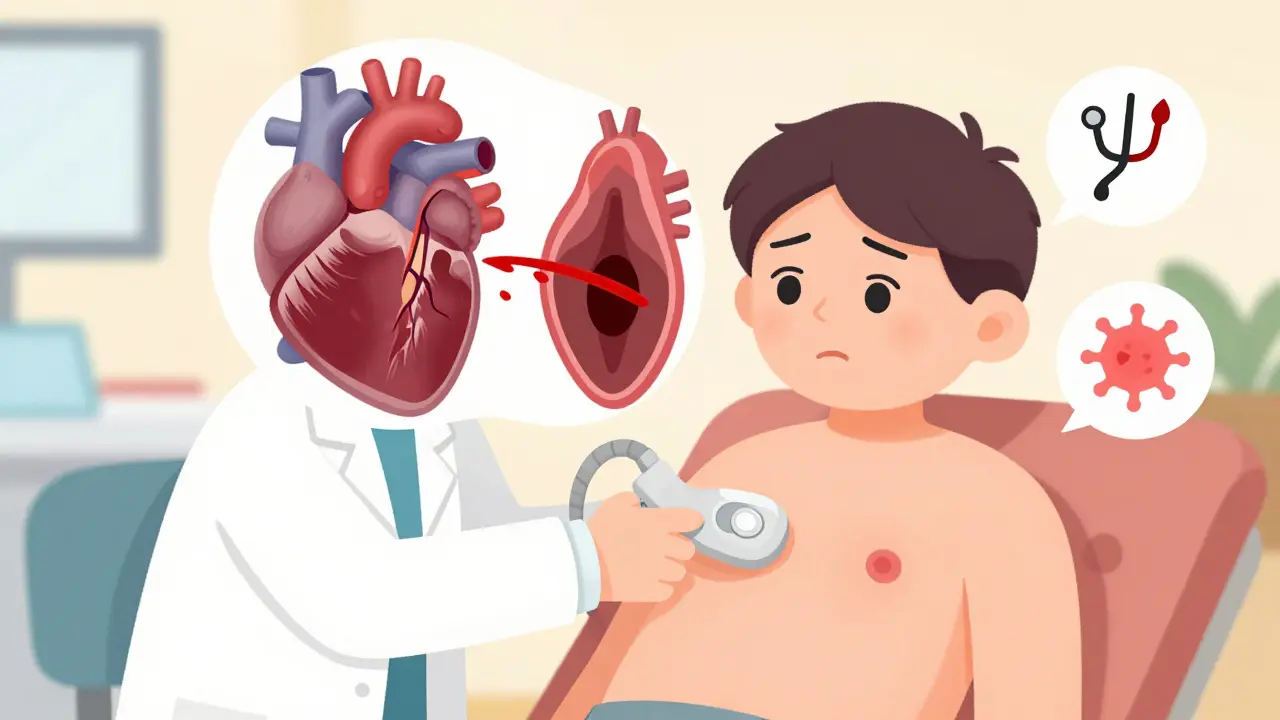
One of the biggest mistakes doctors see is waiting too long. In aortic stenosis, once symptoms appear, half of patients die within two years if they don’t get a valve replaced. That’s why guidelines say: don’t wait for symptoms. If your echo shows severe stenosis-even if you feel fine-you need close monitoring. Echocardiograms every 6 to 12 months. If the pressure gradient hits 50 mmHg or your heart starts to enlarge, it’s time to consider surgery.
Regurgitation is trickier. If your heart is still pumping normally and your chambers aren’t stretched, you might not need surgery right away. But if your left ventricle starts to get bigger or your ejection fraction drops below 60%, waiting becomes dangerous. The COAPT trial showed that for functional mitral regurgitation (caused by heart weakness, not valve damage), a MitraClip device cut death risk by 32% compared to meds alone. But for primary mitral regurgitation (the valve itself is broken), surgery gives you a 90% chance of living 10 years. That’s a huge difference.
And here’s something patients rarely hear: many are dismissed until they’re in crisis. A 2022 survey found 28% of valve patients felt their doctors ignored their symptoms until they collapsed. If you’re tired, short of breath, or have unexplained swelling-and your doctor says it’s just aging-get a second opinion. An echo takes 20 minutes. It could save your life.
Surgical Options Today: From Open Heart to Tiny Catheters
For decades, open-heart surgery was the only option. A surgeon would cut through your breastbone, stop your heart, and replace the valve with a mechanical one or a tissue valve from a pig or cow. Recovery took months. Now, most patients get a minimally invasive option.
TAVR (Transcatheter Aortic Valve Replacement) is now the first choice for most patients over 65, especially those with other health problems. A catheter is threaded from your groin up to your heart. A new valve is squeezed into place, expanding inside the old one. No open chest. No sternotomy. Hospital stay: 2 to 4 days. The PARTNER 3 trial showed TAVR had 12.6% lower 5-year death rate than surgery in low-risk patients. By 2023, 65% of aortic valve replacements in the U.S. for patients over 75 were done this way.
For mitral regurgitation, you have two main choices: repair or replace. Repair is preferred-it keeps your own valve, which lasts longer and doesn’t need blood thinners. The MitraClip is a clip that grabs the leaking edges of the leaflets and holds them together. It’s done through a vein in the leg. For more complex cases, surgeons use the Cardioband or Harpoon systems to reshape the valve ring. These are newer, but early results are strong.
For tricuspid valve disease-a growing problem as people live longer with other heart conditions-the FDA approved the Evoque system in March 2023. It’s the first transcatheter option for this valve, which was once considered untreatable without open surgery.

What Happens After Surgery
Recovery isn’t the same for everyone. After TAVR, most people feel better within days. One patient on Reddit said, “I went from struggling to walk to the mailbox to hiking 3 miles in two months.” That’s not unusual. TAVR patients report a 92% improvement in energy within 30 days.
But open-heart surgery? That’s harder. The sternotomy-cutting through the breastbone-takes weeks to heal. One patient on Inspire.com said it took 8 weeks before she could lift her grandchildren. Pain management, physical therapy, and patience are key.
Long-term care depends on the valve type. Mechanical valves last forever but need lifelong blood thinners (warfarin) to prevent clots. Your INR (a blood test) needs checking twice a week at first, then monthly. Target range: 2.0-3.5 depending on the valve. Tissue valves (from animals) don’t need blood thinners long-term, but they wear out. About 21% show signs of deterioration by 15 years. Newer tissue treatments may last 25+ years.
Follow-up is non-negotiable. You’ll need annual echocardiograms to check valve function and heart size. If you’re on blood thinners, you’ll need to avoid certain supplements and medications that can interfere. And if you ever need dental work, you’ll need antibiotics to prevent infection in your new valve.
What’s Coming Next
The future of valve care is moving faster than ever. By 2030, experts predict 80% of valve procedures will be done through catheters-not open surgery. New devices are being tested for younger, healthier patients. Next-gen tissue valves are being engineered to last longer. Researchers are even working on valves made from lab-grown tissue that could grow with you.
But access remains unequal. In high-income countries, 18 valve procedures happen per 100,000 people each year. In low-income nations? Just 0.2. That’s a 90-fold gap. In the U.S., you can get a TAVR at 75. In many places, you’re lucky to get any care at all.
For now, the message is clear: if you have symptoms-even mild ones-get checked. Valve disease doesn’t always scream. Sometimes, it just whispers: you’re more tired than you should be. Don’t ignore it. Early detection and the right intervention can mean not just more years, but better ones.
Can you live a normal life with a heart valve disease?
Yes, absolutely-if it’s caught early and treated properly. Many people with mild valve problems live without symptoms for years. Even with severe disease, modern treatments like TAVR or valve repair can restore near-normal function. Patients often report returning to gardening, walking, or playing with grandchildren within weeks. The key is timely diagnosis and following up with your care team.
Is heart valve surgery risky?
All surgery carries risk, but modern valve procedures are safer than ever. TAVR has a 2-3% risk of major complications like stroke or bleeding in low-risk patients. Open-heart surgery carries a slightly higher risk-around 4-5%-but offers long-term durability. For patients over 75 or with other health issues, TAVR is often the safer choice. The bigger risk? Waiting too long. Untreated severe aortic stenosis has a 50% chance of death within two years after symptoms appear.
Do I need to take blood thinners forever after valve replacement?
Only if you get a mechanical valve. These are made of metal and can cause clots, so you’ll need warfarin for life, with regular blood tests to keep your INR in range. Tissue valves (from pigs or cows) don’t usually require long-term blood thinners. You might take aspirin or a short course of anticoagulants after surgery, but not forever. Your doctor will decide based on your valve type, age, and other health factors.
Can a valve repair be better than replacement?
Yes, especially for mitral valves. Repair keeps your own valve structure, which means better long-term heart function and lower risk of infection. It also avoids the need for lifelong blood thinners. Repair is preferred when possible-especially if the valve leaflets are intact and the ring isn’t too stretched. But if the valve is too damaged, replacement is the better option. Your surgical team will assess which is safer and more durable for your case.
How do I know if I need surgery or just medication?
Medication can manage symptoms like fluid buildup or irregular heartbeat, but it can’t fix a narrowed or leaking valve. Surgery is recommended when the valve problem is severe and your heart is starting to change-like when the left ventricle thickens or enlarges, or when your ejection fraction drops. If you’re asymptomatic but have severe stenosis or regurgitation, your doctor will monitor you closely. Once symptoms appear or heart damage is seen on imaging, surgery is usually the next step.
8 Comments
They're lying about TAVR. The FDA approved it because the device makers own half the Congress. I know a guy who got one and his heart started leaking worse after 6 months. They don't tell you the metal parts rust inside you. You're just a guinea pig.
lol at all this medical jargon. i got my valve fixed last year and now i can run marathons. who needs doctors when you got google and a good pair of sneakers? america still the best for this stuff. europe? nah.
The statistical discrepancy between low-income and high-income countries regarding valve intervention rates is not merely a healthcare disparity-it is a systemic failure of global resource allocation. The 90-fold gap reflects entrenched geopolitical inequities, not clinical limitations. This is not a medical issue. It is a moral indictment.
I mean... have you ever felt like your heart is just... tired? Like it’s been carrying the weight of the world for 70 years and no one asked if it wanted to rest? That’s what this is. We treat valves like machines. But hearts? They remember. They hold trauma. They ache in silence. And then they break. And we replace them like a broken toaster.
I had a mild mitral regurgitation diagnosis last year. My doctor said ‘watch and wait.’ I’m 52, no symptoms, just a little winded climbing stairs. Wondering if I should get a second echo or just live my life. Anyone else in this boat?
It is imperative to underscore that the clinical paradigm surrounding valvular pathology has undergone a paradigmatic shift toward minimally invasive intervention. The data from the PARTNER 3 trial, coupled with longitudinal outcomes from the COAPT cohort, unequivocally support transcatheter-based modalities as first-line therapeutic options in selected populations. Furthermore, the imperative for longitudinal echocardiographic surveillance cannot be overstated. Early detection, coupled with evidence-based intervention, significantly mitigates adverse remodeling and improves long-term survival metrics.
You think you're safe because you're not coughing up blood? That's what they told my mom. She was 'just tired.' Then she collapsed at the grocery store. They didn't do an echo until she was in ICU. I'm telling you, if your doctor doesn't push for imaging by age 60, they're lazy or they're getting kickbacks from the pharma reps. Demand the echo. Now.
I had TAVR at 72. Two weeks later, I was planting tomatoes. Don't let fear stop you. Your heart isn't done. Not yet.