
Informed Decision-Making: Choosing Between Generic and Brand Medications
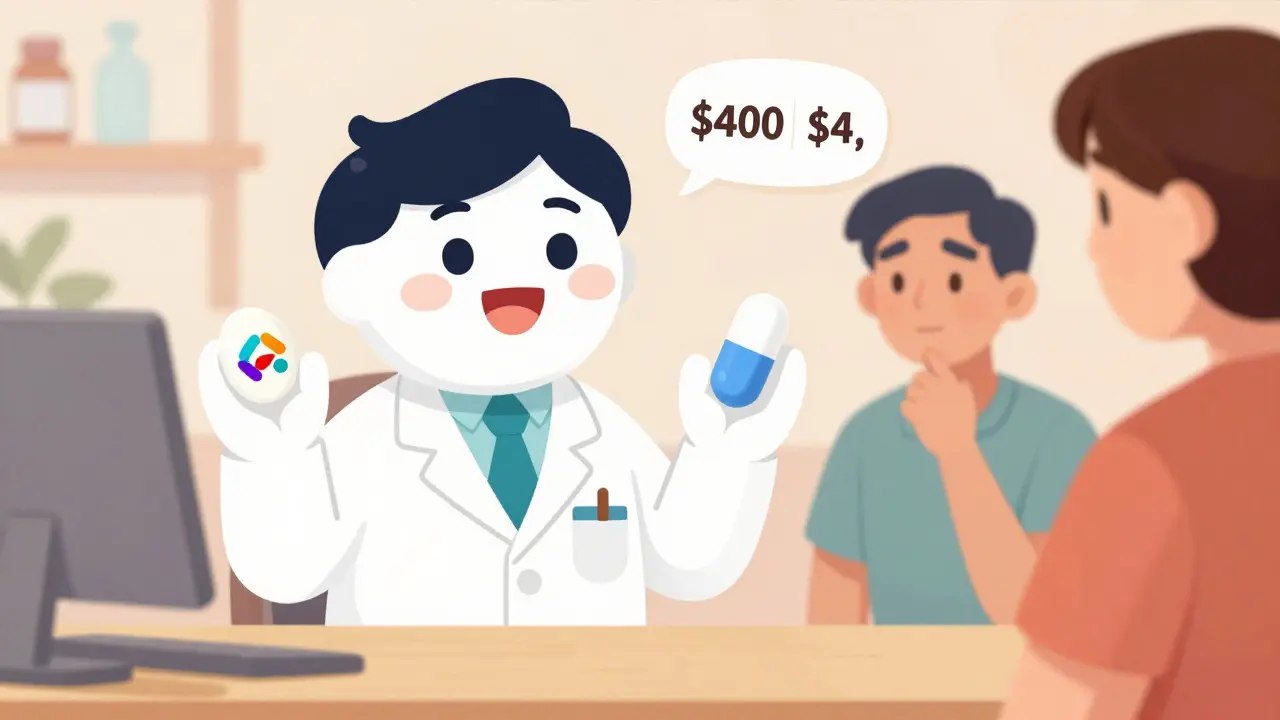
Every year, millions of Americans face a simple but powerful choice at the pharmacy counter: the generic version of their medication, or the brand-name one. The price difference can be dramatic-sometimes $4 versus $400 for the same treatment. But is the cheaper option just as safe? Does it work the same? These aren’t just questions about money-they’re about health, trust, and peace of mind.
What Exactly Is a Generic Drug?
A generic drug isn’t a copycat. It’s not a knockoff. It’s the exact same medicine, legally required by the FDA to contain the same active ingredient, in the same strength, and delivered the same way as the brand-name version. That means if you’re taking sertraline for depression, the generic version has the same molecule as Zoloft. The same goes for atorvastatin versus Lipitor, or metformin versus Glucophage. The difference isn’t in what heals you-it’s in what’s around it. Generics can look different: different color, shape, or size. They might use different fillers, dyes, or binders. These are called inactive ingredients, or excipients. For most people, that doesn’t matter. But for someone allergic to a specific dye or lactose, it can. The FDA doesn’t just accept claims. Every generic must prove it works the same. That’s done through bioequivalence studies. The drug must get into your bloodstream at the same rate and in the same amount as the brand. The acceptable range? 80% to 125% of the brand’s performance. In real-world data, the actual difference is usually just 3.5%. That’s less than the natural variation your body has from day to day.Why Are Generics So Much Cheaper?
Brand-name drugs cost a lot because the company that created them had to pay for research, clinical trials, marketing, and patent protection. That process can take over a decade and cost billions. Once the patent expires, other companies can make the same drug without repeating those expensive steps. They only need to prove it behaves the same in your body. That’s why generics cost 80% to 85% less on average. A 30-day supply of generic sertraline can be $4. The brand? Around $400. Generic atorvastatin? As low as $0.10 per pill. Brand? Over $4.50. That’s not a marketing trick. That’s the cost of innovation versus competition. Over the last decade, generic drugs saved the U.S. healthcare system $1.67 trillion. That’s $265 saved per person, every year. For someone on a fixed income, that’s not a savings-it’s access.When Do Generics Work Just as Well?
For the vast majority of medications, generics are just as effective. A 2019 review in JAMA Internal Medicine looked at 47 studies with nearly 10,000 patients. It found that generics performed identically to brand-name drugs in 98.5% of cases. This held true across heart medications, antidepressants, diabetes drugs, and antibiotics. The American College of Physicians recommends generics for nearly all prescriptions. Their 2020 position paper points out that 29% of patients on brand-only drugs skip doses because they can’t afford them. That number drops to 14% when generics are available. Taking half your dose because of cost is far riskier than switching to a generic. Pharmacists report that 68% of patients are nervous about generics at first. But after a simple explanation about FDA standards, 89% stick with them. And adherence-taking your medicine as prescribed-goes up by 22% when cost isn’t a barrier.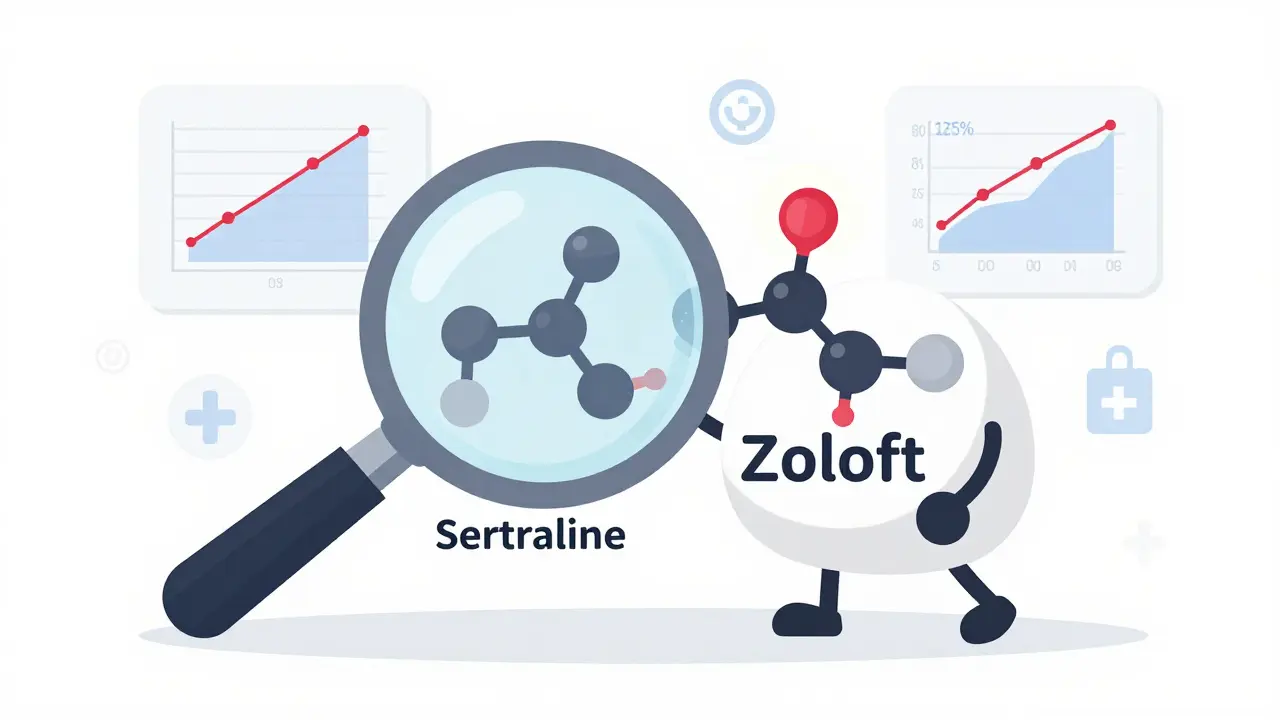
When Should You Stick With the Brand?
There are exceptions. Not because generics are weaker, but because the body is sensitive in specific ways. One key group is drugs with a narrow therapeutic index. That means the difference between a helpful dose and a harmful one is very small. For these, even tiny changes in how the drug is absorbed can matter. Examples include:- Levothyroxine (for thyroid): The FDA requires brand-name substitution in 28 states because even small fluctuations can affect heart rate, weight, and energy levels. If you switch generics, your TSH levels should be checked.
- Warfarin (a blood thinner): Studies with over 100,000 patients found no difference in outcomes between generic and brand. But doctors still monitor INR levels closely when switching.
- Phenytoin (for seizures): A few cases of breakthrough seizures have been reported after switching. It’s rare, but monitoring is advised.
What About Patient Experiences?
Real people have real stories. On Drugs.com, 82% of users reported being satisfied with generics. That’s only 3% lower than brand-name users. But the complaints? They’re not about effectiveness-they’re about confusion. People report: “I took my pill and it looked different. I thought it wasn’t the right one.” Or, “I switched from one generic to another and the pill changed color again.” In Reddit threads, 27% of complaints about generics were about appearance changes between manufacturers. That’s not a safety issue-it’s a trust issue. A 2023 study showed that giving patients a simple photo guide of their pills reduced medication errors by 37% during switches. On the flip side, positive stories are powerful: “Switched from Lyrica ($650/month) to generic pregabalin ($15/month). Same pain control. No side effects.” That’s not an outlier. It’s the norm.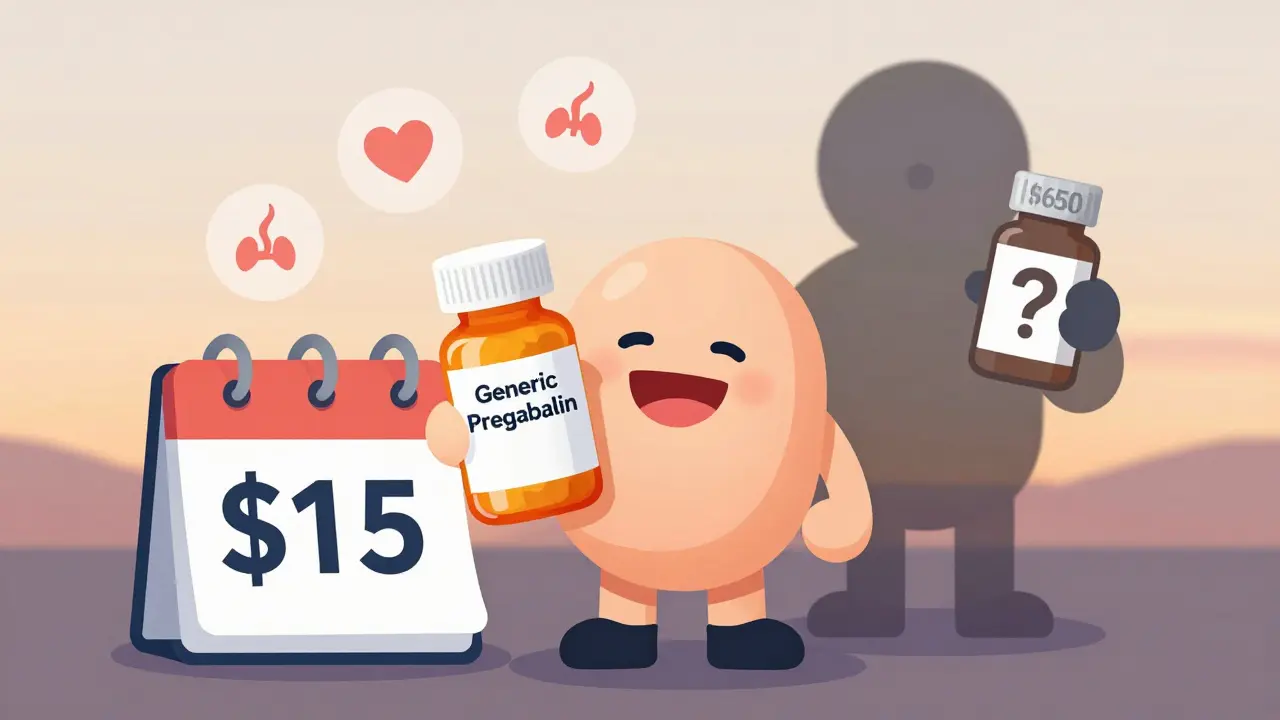
How to Make the Smart Choice
You don’t need to guess. Here’s how to make an informed decision:- Ask your pharmacist: They know which generics are available and if your insurance requires one. They can also tell you if your medication has had past issues with generics.
- Check the FDA’s Orange Book: It lists which generics are rated “AB”-meaning they’re approved as interchangeable. You can search at [email protected].
- Stick with one pharmacy: That way, your pharmacist can track if your generic manufacturer changes. If your pill looks different, they’ll know why.
- Use price tools: GoodRx shows real-time prices for both brand and generic versions. Often, the generic is cheaper even without insurance.
- Don’t assume brand = better: The FDA says generics have the same risks and benefits. If your doctor prescribes a brand, ask why. Is it because it’s necessary-or because it’s what they’re used to?
What’s Changing Right Now?
The generic market is growing fast. In 2022, the FDA approved 1,166 new generics-more than double the number in 2016. The Inflation Reduction Act will force Medicare to negotiate prices on 10 high-cost drugs starting in 2026. That will push even more brands into generic competition. But challenges remain. Over 78% of the active ingredients in generics come from India and China. Supply chain issues can cause shortages. And for complex drugs-like inhalers, eye drops, or injectables-only 35% have generic versions available. The FDA is working on new rules to speed up approvals for these. The future isn’t about choosing between good and bad. It’s about choosing smart. For most people, generics are the right choice: just as safe, just as effective, and far more affordable. For a few, the brand or a specific generic version matters more. That’s not a failure of generics-it’s a reminder that medicine is personal.Are generic drugs as safe as brand-name drugs?
Yes. The FDA requires generic drugs to meet the same strict standards for safety, strength, purity, and quality as brand-name drugs. They must prove they deliver the same active ingredient in the same way and at the same rate. Generic manufacturers are inspected just as often as brand-name ones, and compliance rates are nearly identical.
Why do generic pills look different?
By law, generic drugs can’t look exactly like the brand-name version, so they use different colors, shapes, or markings. This avoids trademark issues. The active ingredient is the same, but the inactive ingredients (like dyes or fillers) may vary. If you’re allergic to a dye or have trouble recognizing your pills, ask your pharmacist for a pill identifier or a visual guide.
Can I switch from a brand to a generic anytime?
For most medications, yes. But for drugs with a narrow therapeutic index-like levothyroxine, warfarin, or phenytoin-your doctor may need to monitor your levels after switching. Some states require prescriber approval for these. Always talk to your doctor before switching, especially if you’re on a long-term or critical medication.
Do generics take longer to work?
No. Generic drugs must be bioequivalent, meaning they enter your bloodstream at the same rate and to the same extent as the brand. Studies show the difference in absorption is typically less than 4%. If you feel a delay or reduced effect after switching, it’s more likely due to psychological factors, a change in manufacturer, or a different formulation-not because the generic is slower.
Why do some people say generics don’t work for them?
In rare cases, people report differences-especially with extended-release or complex delivery systems like inhalers or patches. Sometimes, it’s because the new generic has a different inactive ingredient that affects absorption. Other times, it’s confusion from changing pill appearance. If you notice a change in how you feel, don’t assume it’s the generic. Talk to your doctor and pharmacist. They can check if it’s a known issue with that specific product or if your body just needs time to adjust.
12 Comments
i switched my antidepressant to generic last year and honestly didn’t notice a difference
my bank account noticed though lol
Generics aren’t just cheap-they’re a revolution in access. I’ve seen grandmas in rural Texas get their blood pressure meds for $3 instead of $300. That’s not luck. That’s policy working. The FDA doesn’t cut corners. Neither should we.
bro i took a generic version of my anxiety med and my soul felt like it got upgraded from 4G to 5G 🤯
then the next pack looked like a rainbow gummy bear and i almost called 911 😅
I’m so nervous about switching… I mean, what if my body just… doesn’t like it? I’ve had bad reactions to dyes before, and I don’t want to risk it… I know it’s probably fine, but… I just need to be sure…
Let me be perfectly clear: the FDA is a corporate puppet. They approve generics with the same laxity they approve processed food. You think your ‘bioequivalent’ drug is safe? Try reading the fine print on excipients. You’re not just taking medicine-you’re taking a gamble with your biochemistry. And don’t tell me about ‘98.5% effectiveness’-statistics don’t cure people. They just make corporations richer.
my dad takes generic for diabetes and he save 500$ a month
he say same effect no problem
just check with doc if u on blood thinner or thyroid
Generic works. Save money. No drama.
i used to think brand was better till i saw the price tag
now i just ask my pharmacist ‘which one you’d take?’
they always say the cheap one
Oh so now we’re supposed to trust some Indian factory’s version of my heart pill? You know what happens when you let corporations cut corners? People die. And you’re all just sitting here celebrating $4 pills like it’s a victory. It’s not. It’s negligence wrapped in a marketing slogan.
My pharmacist showed me the FDA’s Orange Book. I looked up my levothyroxine. Only one generic was rated AB. I switched. My TSH is stable. No drama. Just science.
There’s something deeply human about how we cling to the familiar-even when it’s costing us our peace. A pill’s color doesn’t change its soul. But our fear? That changes everything. Maybe the real medicine isn’t in the capsule-it’s in learning to trust the system, even when it looks different.
Generic users are just delusional. You think you’re saving money? You’re just delaying the hospital bill when your body breaks down because you took a cheap knockoff. Wake up.