
Intentional Overdose: Mental Health Support and Crisis Resources
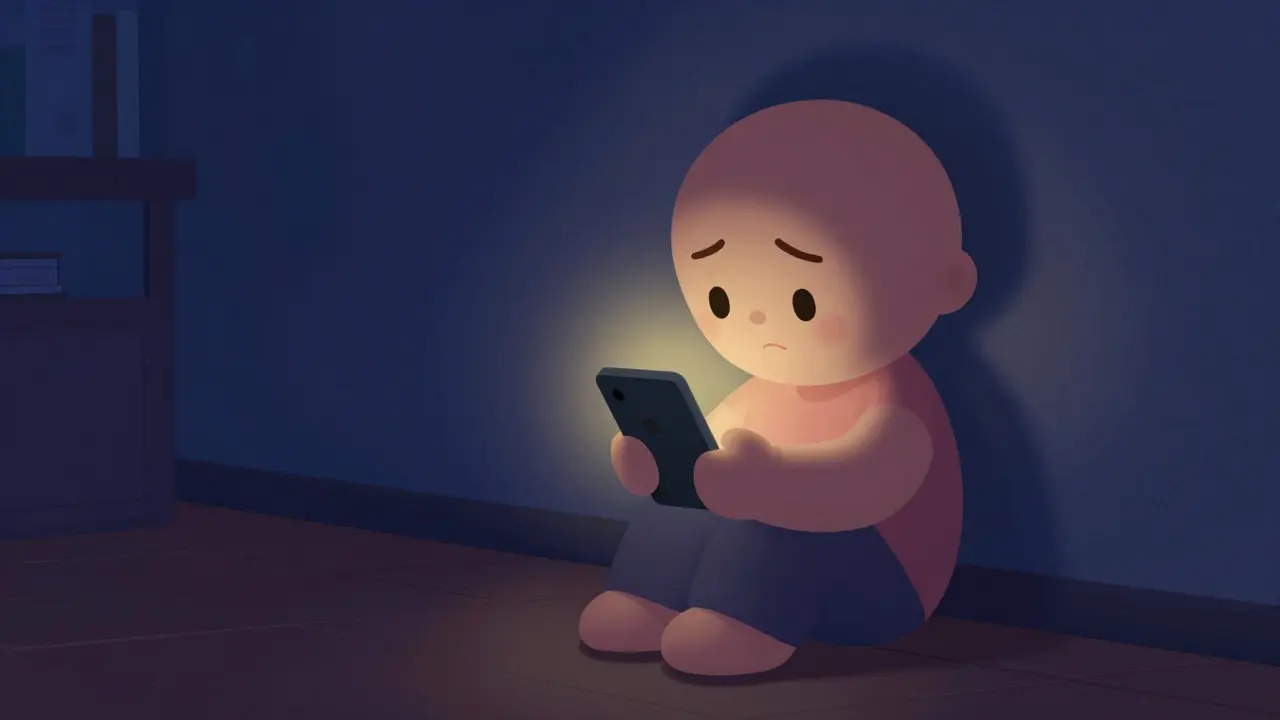
Finding yourself or a loved one in a state of absolute despair is a terrifying experience. When the pain becomes unbearable, some people turn to an intentional overdose-deliberately taking too much of a medication or substance-as a way to stop the hurting. It often feels like the only option in a moment of crisis, but there is a massive difference between the desire to end the pain and the desire to end a life. If you are reading this right now in a state of emergency, please know that mental health support is available and you do not have to carry this weight alone.
Quick Guide to Immediate Help
- Call or Text 988: The Suicide & Crisis Lifeline is available 24/7 across the U.S.
- Text HOME to 741741: Connects you with the Crisis Text Line for text-based support.
- Call 1-800-662-4357: SAMHSA’s National Helpline for substance abuse and mental health services.
- Emergency Services: Call 911 or go to the nearest emergency room if there is an active medical emergency.
What is an Intentional Overdose?
An Intentional Overdose is the deliberate consumption of excessive quantities of substances-such as prescription drugs, over-the-counter medications, or illicit chemicals-with the intent to cause self-harm or death. Unlike an accidental overdose, which happens due to a mistake in dosage or an unknown substance, this is a targeted act of suicide attempt.
Many people choose this method because it feels less violent or more "peaceful" than other means. However, the reality is often far different. While firearms have a much higher fatality rate, overdoses frequently lead to survival but with devastating consequences. For example, taking too much acetaminophen can lead to slow, painful liver failure and permanent organ damage. The perceived "quietness" of the act is often a misconception that leads to prolonged physical suffering.
The Hidden Struggle: Why This Happens
No one decides to take a handful of pills because they simply "want to." It is usually the result of a mental health crisis where the person feels trapped. Depression is a mood disorder characterized by persistent feelings of sadness and loss of interest, which can significantly impair a person's ability to function. According to a 2025 report from Mental Health America, nearly 2.8 million youth struggle with depression so severe that it disrupts their daily lives, making them significantly more vulnerable to suicidal ideation.
The risk is not distributed evenly. People in rural areas often face a "double burden": they experience higher suicide rates (about 25% higher than urban areas) but have 40% less access to the resources they need. When you combine a lack of local clinics with the stigma of seeking help in a small town, the isolation becomes a catalyst for crisis.
Navigating Crisis Resources: What to Expect
When you reach out for help, the system is designed to stabilize you and move you toward long-term care. But it is important to know how these tools actually work so you can use them effectively.
The 988 Suicide & Crisis Lifeline
Established in 2022, 988 is a nationwide network of over 200 local call centers providing immediate, free, and confidential support for people in suicide crisis. When you call, you are routed to a local center. Counselors are trained to keep you on the line, listen to your pain, and, if necessary, coordinate with Emergency Medical Services (EMS) to get you to safety.
Digital and Text Options
For some, talking on the phone feels too intrusive or overwhelming. The Crisis Text Line is a vital alternative. In 2024, they handled over 3.2 million conversations. The benefit here is speed and anonymity; with a median response time of just 37 seconds, it provides a bridge for those who aren't ready to speak out loud but need a human connection immediately.
| Resource | Primary Method | Best For... | Availability |
|---|---|---|---|
| 988 Lifeline | Call/Text | Acute crises, immediate intervention | 24/7 Nationwide |
| Crisis Text Line | Text (741741) | Those who prefer writing over talking | 24/7 Nationwide |
| SAMHSA Helpline | Call | Treatment referrals and long-term support | 24/7 Nationwide |
The Gap Between Crisis and Recovery
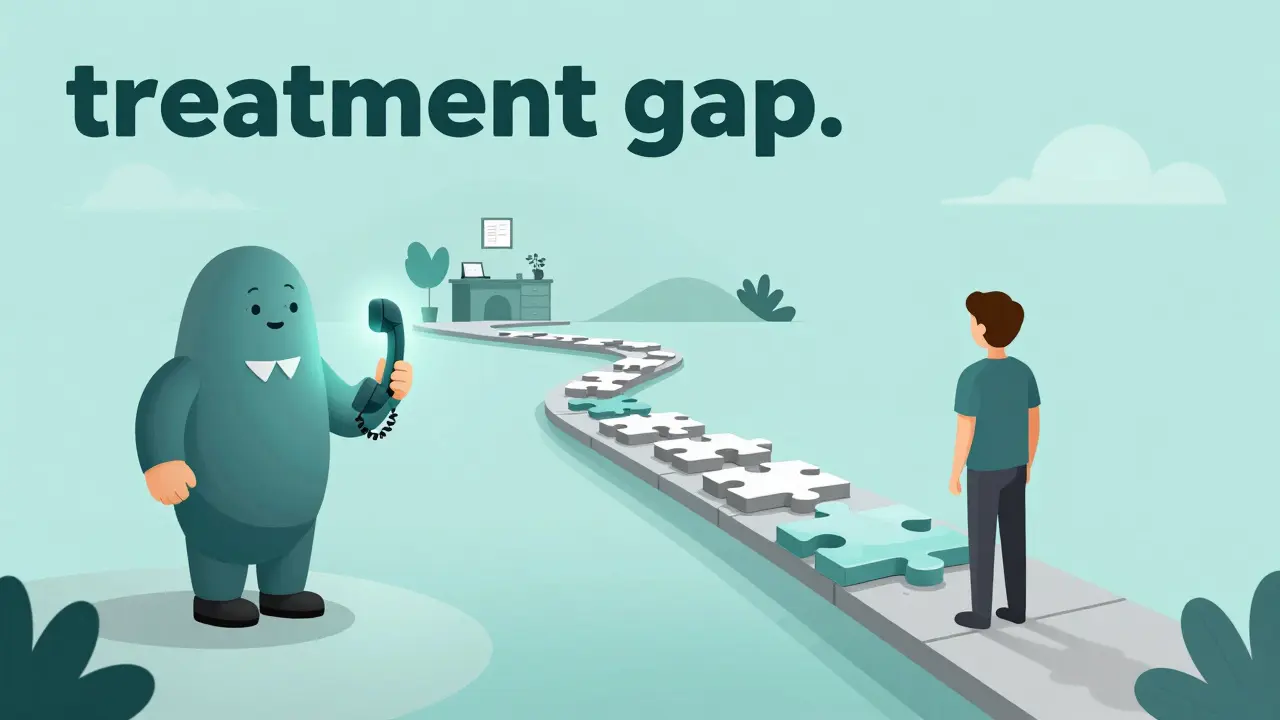
One of the biggest frustrations in the current system is the "treatment gap." It is one thing to survive a crisis call; it is another to find a therapist who is taking new patients. SAMHSA (the Substance Abuse and Mental Health Services Administration) is the U.S. agency leading public health efforts to advance the prevention, treatment, and recovery of mental disorders and substance abuse. Despite their efforts, only about 52% of adults with a mental illness received treatment in the past year.
The shortage is stark. There is currently a ratio of roughly 320 people for every one mental health provider. This means that even after a crisis intervention, many people find themselves on waiting lists for weeks. This gap is where the risk of a second attempt increases. True recovery requires a transition from reactive crisis care to proactive, consistent therapy.
How to Support Someone in Danger
If you suspect a friend or family member is contemplating an intentional overdose, your role is to be the bridge to professional help. You cannot "fix" them, but you can keep them safe until help arrives.
- Ask Directly: Don't be afraid to ask, "Are you thinking about killing yourself?" Research shows that asking does not plant the idea; it often provides a relief that they can finally talk about it.
- Remove the Means: If they have a stockpile of medication, offer to hold onto it or dispose of it. Limiting access to the method is one of the most effective ways to prevent a fatal attempt.
- Listen Without Judgment: Avoid phrases like "You have so much to live for." Instead, try "I can see how much pain you're in, and I want to help you get through this."
- Stay With Them: Do not leave a person in acute crisis alone. Walk them to the phone to call 988 or drive them to the emergency room.

The Path Forward: Prevention and Hope
Public health data shows that we can actually move the needle on this. The CDC (Centers for Disease Control and Prevention) has identified that strengthening economic supports-like increasing the minimum wage-and promoting connectedness in schools can significantly lower suicide attempt rates. This tells us that mental health isn't just about chemicals in the brain; it's about the stability of our lives and our connections to others.
If you've survived an attempt, the road back is rarely a straight line. It involves a mix of medication management, therapy, and building a support system. The goal isn't just to survive the night, but to build a life that you no longer feel the need to escape from.
What should I do if I think someone has already taken an overdose?
Call 911 immediately. Do not wait for symptoms to appear, as some medications have delayed effects that can cause sudden organ failure. If possible, find the containers of the medication they took to show the paramedics; this helps doctors provide the correct antidote or treatment faster.
Is 988 free to use?
Yes, the 988 Suicide & Crisis Lifeline is free and confidential. You can call or text from any phone in the United States, and you do not need insurance or a specific plan to access these services.
Can minors access crisis lines without parents?
Yes, you can call or text 988 or the Crisis Text Line without parental consent. However, if the counselor believes there is an immediate, life-threatening danger, they may coordinate with emergency services, which would eventually involve guardians or legal representatives.
What is the difference between a crisis line and a therapist?
A crisis line is a short-term, reactive tool designed to stabilize you during an acute emergency and keep you safe. A therapist provides long-term, proactive care to treat the underlying causes of your distress through regular sessions and evidence-based treatment plans.
How can I find a long-term mental health provider if I'm in a rural area?
In addition to local clinics, look into telehealth services, which have grown significantly. Many licensed therapists now provide video sessions that bridge the gap for those in rural counties. You can also use the SAMHSA National Helpline to find a directory of providers in your specific region.
Next Steps for Recovery
If you are moving from a crisis phase into a recovery phase, consider these steps based on your current situation:
- For those in immediate stability: Schedule a "warm hand-off." This means your crisis counselor helps you actually book the first appointment with a therapist, rather than just giving you a phone number.
- For family members: Look into "family support groups." Supporting a survivor can be emotionally draining; having your own space to process the trauma is essential for your own mental health.
- For youth: Talk to a school counselor or a trusted teacher. They can often help navigate the parental consent process and find school-based resources that are free and accessible.
15 Comments
keep fighting everyone you are not alone and there is so much light ahead of the darkness just hold on a little longer
it really is heartbreaking how those in rural areas just get left behind by the system and it makes sense why people feel like there is no way out when the nearest clinic is an hour drive away and everyone knows your business in a small town so you just keep it all inside until it is too much to handle
it is all very friendly of the government to give us these numbers but have you noticed how the 988 rollout coincided with a massive increase in digital surveillance and data harvesting of mental health metrics to create profiles on our emotional stability for some higher corporate purpose that they will never admit to in a public brochure
actually the 988 system is designed to be a triage layer so you don't overwhelm the ERs which is why the warm hand-off is the most important part of the whole process! 🌟 definitely look into the telehealth options because they are way more flexible with scheduling 📱✨
honestly this whole guide is so basic 🙄 like we already know the numbers but the actual medical system is a joke and trying to find a therapist who isn't charging 200 an hour is literally a full time job 💅
it's a really good reminder that we need to be the bridge for our friends and family. just being present and listening without judging can make a world of difference in someone's night.
the absolute gall of some people to think a phone call fixes a systemic collapse of the human spirit is just laughable honestly this is some mid tier corporate bandaid on a gaping chest wound
I find it remarkably quaint that we believe increasing the minimum wage will solve a crisis rooted in the existential void of modernity, though I must admit the correlation between economic stability and mental fortitude is a compelling, if simplistic, narrative.
oh sure because calling a stranger on a hotline is exactly what someone in a total psychotic break wants to do just lovely
The integration of telehealth has indeed provided a significant benefit to those residing in underserved regions by mitigating the geographical barriers to care.
typical government bureaucracy trying to tell us how to handle our own business with these fancy numbers while the real world is falling apart around us :) total waste of tax dollars if you ask me !!
This is so important!! I really think the part about removing the means is a game changer for saving lives! Keep pushing for more awareness! 🚀💪
STAY STRONG!!! YOU GOT THIS!!! DON'T GIVE UP!!!
totally agree with the need for better support systems
I appreciate the clear instructions on how to help others without overstepping or trying to force a solution they aren't ready for. It's all about that balance of support and respect.