
Kava and Sedative Medications: What You Need to Know About Liver and Sedation Risks
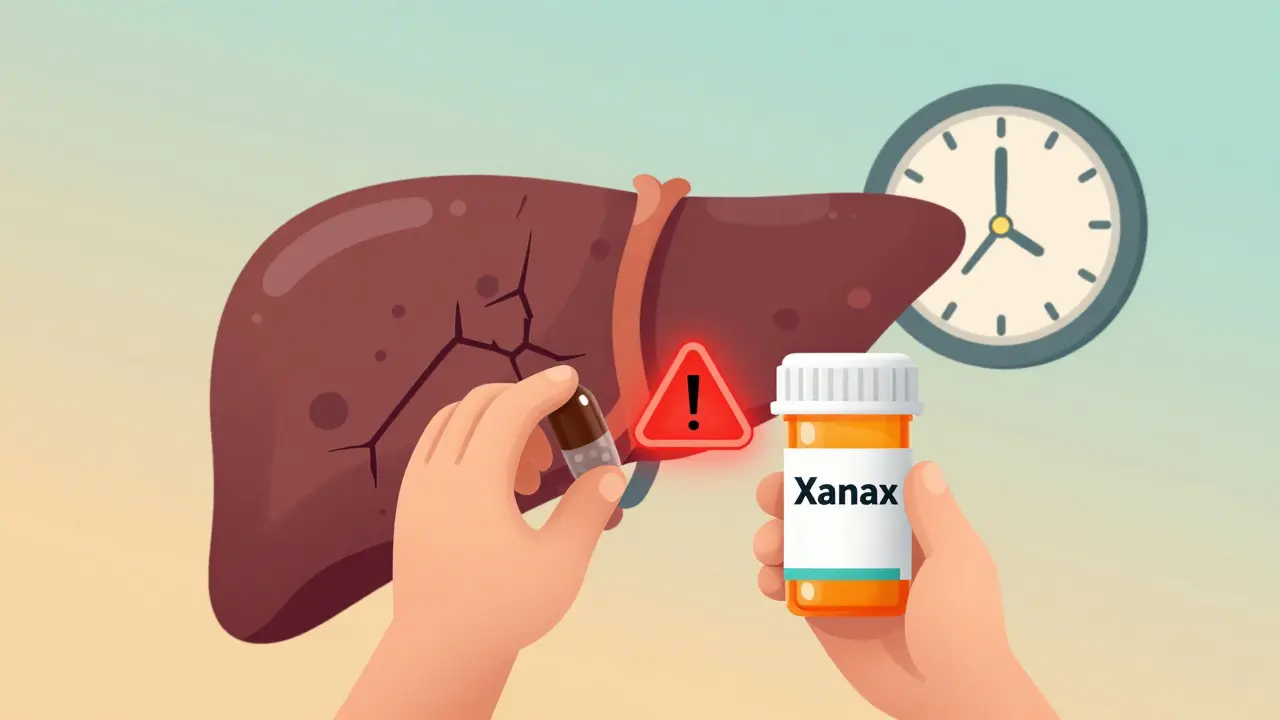
Combining kava with sedative medications can be dangerous - and many people don’t realize it until it’s too late. Kava, a plant-based supplement often used for anxiety, is sold freely in stores and online as a "natural" remedy. But when mixed with prescription sedatives like benzodiazepines, sleep aids, or even alcohol, it can lead to serious liver damage or extreme drowsiness that puts you at risk of falls, accidents, or even coma. This isn’t theoretical - real cases have ended in liver transplants and emergency hospitalizations.
What Is Kava, Really?
Kava (Piper methysticum) is a root used for centuries in Pacific Island cultures as a ceremonial drink. Today, it’s sold in the U.S. as capsules, teas, or tinctures, marketed for stress relief and sleep. Its active compounds, called kavalactones, interact with brain receptors to produce calmness and muscle relaxation. A typical dose ranges from 70 to 250 mg daily, and effects usually start within 30 minutes, peaking around 90 minutes later.
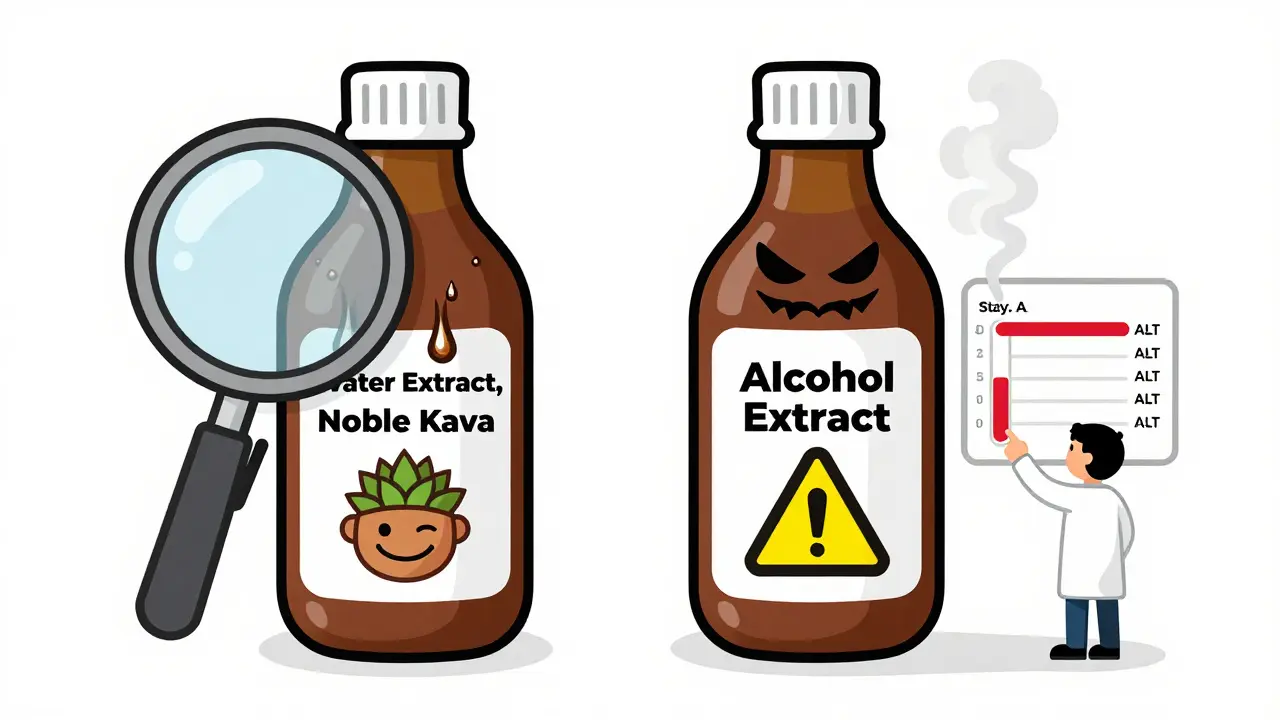
But here’s the catch: not all kava is the same. Traditional water-based preparations from noble kava varieties - the kind used in Pacific rituals - contain about 150-250 mg of kavalactones per serving and have a long safety record. Commercial supplements, however, often use alcohol or acetone extracts that pull out more of the plant’s chemicals. These can contain up to 300 mg per dose and are linked to most of the reported liver injuries.
Why Mixing Kava With Sedatives Is Risky
If you’re taking medications like alprazolam (Xanax), diazepam (Valium), lorazepam (Ativan), zolpidem (Ambien), or even muscle relaxants like cyclobenzaprine, kava can make them much stronger. This isn’t just a "maybe" - it’s a documented, predictable interaction.
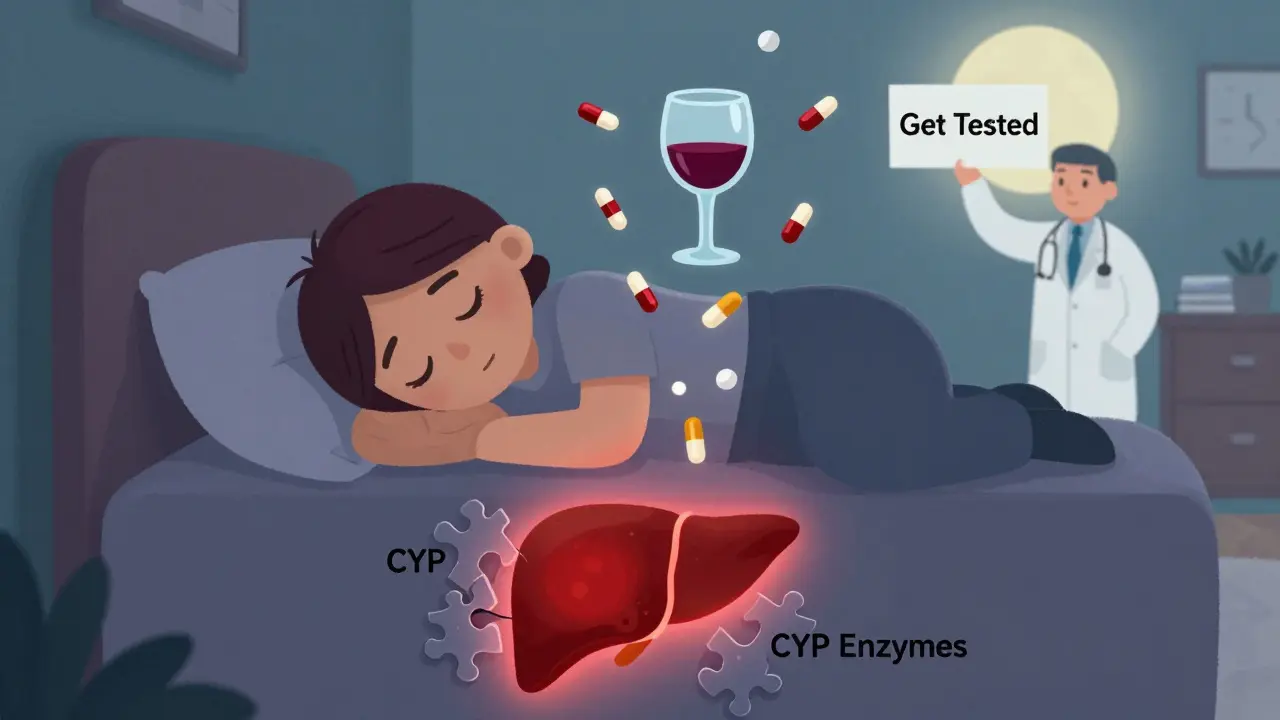
Kava inhibits key liver enzymes - CYP2D6, CYP2C9, and CYP3A4 - that break down many sedatives. When these enzymes are blocked, the drugs build up in your bloodstream. One study showed kava increased midazolam levels by 27%. That’s like taking 50% more of your pill than prescribed. The result? Extreme drowsiness, confusion, slowed breathing, or even loss of consciousness. Reddit users have shared stories of being unable to stand for hours after combining kava with lorazepam. Emergency rooms have seen patients with slurred speech, unresponsiveness, and dangerously low blood pressure.
And it’s not just prescription drugs. Alcohol is a sedative too. Mixing kava with even one drink can double the risk of overdose. The CDC warns that combining kava with alcohol raises liver damage risk more than either substance alone.
Liver Toxicity: The Silent Threat
Liver damage from kava doesn’t come with warning signs at first. You might feel fine - just a little tired or nauseous. But over weeks or months, it can quietly destroy liver cells. The first sign is often elevated liver enzymes (ALT or AST), detected only through blood tests. By the time jaundice (yellow skin), dark urine, or abdominal pain appear, damage may already be severe.
The FDA issued a warning in 2002 after reports of liver failure from kava users. Since then, over 25 international cases have been documented, with some requiring liver transplants. A Sacramento County case study in 2023 showed two patients with acute liver failure after combining kava with prescription sedatives. One had an ALT level of 2,840 U/L (normal is under 40). Another had an INR of 4.2 - meaning their blood couldn’t clot properly.
Here’s what makes this worse: kava supplements aren’t regulated like drugs. One bottle might have 120 mg of kavalactones. The next, from the same brand, could have 280 mg. No standardization. No batch testing. No safety guarantees. A 2023 study found that 41% of U.S. naturopathic doctors still recommend kava - but only 3% of board-certified psychiatrists do.
Who’s at Highest Risk?
Not everyone who takes kava gets hurt. But certain people are far more vulnerable:
- Those already taking sedatives - including antidepressants, antipsychotics, or sleep aids
- People with pre-existing liver conditions like fatty liver, hepatitis, or cirrhosis
- Those using high-dose supplements (over 250 mg daily)
- Long-term users (more than 4-6 weeks)
- Anyone who drinks alcohol while taking kava
Research from the World Health Organization shows that traditional water-based kava has a liver injury rate of 0.8 per 100,000 servings - far lower than commercial extracts at 7.3 per 100,000. That’s because alcohol-based extracts pull out more of the toxic compounds. If you’re using kava, stick to water extracts and avoid capsules made with solvents.
What Should You Do?
If you’re currently taking kava along with sedatives, don’t stop abruptly - but do talk to your doctor immediately. Here’s what to consider:
- Stop kava if you’re on any sedative medication - even if you feel fine.
- Ask your doctor for a liver function test (ALT, AST, bilirubin, INR) if you’ve taken kava for more than a month.
- Never mix kava with alcohol or recreational drugs.
- Check labels: Avoid products labeled as "alcohol-extracted," "acetone-extracted," or "concentrated."
- If you must use kava, limit it to 70 mg daily and only for short periods (under 4 weeks).
Many people don’t tell their doctors they’re using kava. Sacramento County researchers found only 22% of patients mentioned it when they showed up with liver symptoms. Your doctor can’t help if they don’t know.
The Bigger Picture
Kava isn’t banned in the U.S., but it’s restricted in Canada, the UK, Switzerland, and across the EU. Why? Because regulators saw the pattern: people using it with other meds, getting sick, and dying. The European Food Safety Authority says there’s no safe level of kava for people on medications that use CYP2D6, CYP2C9, or CYP3A4 enzymes - and that includes over 50% of commonly prescribed drugs.
Meanwhile, the U.S. market for kava was worth $117 million in 2022, mostly sold online without any counseling. Most buyers assume "natural" means "safe." But natural doesn’t mean harmless. Willow bark can thin your blood. St. John’s wort can wreck your birth control. Kava? It can wreck your liver.
California and New York are already moving to require warning labels on kava products. The FDA is reviewing its stance. And researchers at Oregon State University are now testing whether traditional noble kava varieties are truly safer - which could change how we think about this herb entirely.
Alternatives to Kava for Anxiety and Sleep
If you’re using kava for anxiety or sleep, there are safer options:
- Valerian root: Minimal drug interactions. Works best for sleep, not anxiety.
- L-theanine: An amino acid in green tea. Reduces stress without drowsiness.
- Magnesium glycinate: Helps with relaxation and sleep quality.
- Cognitive behavioral therapy (CBT): Proven for anxiety - no pills needed.
- Prescription alternatives: Buspirone, SSRIs, or low-dose trazodone (under medical supervision).
None of these carry the same liver risk as kava. And unlike kava, they come with dosing guidelines, safety data, and medical oversight.
Final Takeaway
Kava might seem like a harmless way to chill out. But when paired with sedatives, it’s a ticking time bomb. Liver damage can happen without pain. Sedation can happen without warning. And once your liver is injured, recovery isn’t guaranteed.
If you’re taking any medication that makes you drowsy - or if you’ve been using kava for more than a few weeks - get your liver checked. Talk to your doctor. Stop the combination. There are better, safer ways to manage anxiety and sleep. You don’t need to risk your liver for a feeling of calm.
12 Comments
I've been using kava for anxiety for about 6 months. Never had an issue. But I never mixed it with anything. Just water extract, noble variety, 100mg daily. I stopped after reading this. Better safe than sorry. My liver doesn't owe me anything.
This is why America is falling apart. People take some root from a island and think it's a magic pill. No regulation? No oversight? You think your grandma's herbal tea is safer than a prescription? Wake up. This isn't holistic healing. This is self-sabotage with a yoga mat.
I appreciate the depth here. I'm a nurse in Oregon and we've had two ER cases in the last year where patients came in with acute liver failure after combining kava with Xanax. One was a 32-year-old who thought 'natural' meant 'no side effects.' They didn't even mention kava until we asked about supplements. It's terrifying how common this is.
I grew up in Fiji. Kava is sacred. But we never took it with pills. We drank it after work, with friends, no alcohol, no meds. The water extract, peeled root, fresh. That’s the tradition. The commercial stuff? It’s not kava. It’s a chemical cocktail with a plant name.
Thank you for this meticulously researched piece. The distinction between traditional preparation and commercial extraction is critical. I will be sharing this with my patients who use herbal supplements. The lack of labeling standards is a public health failure.
Natural doesn't mean safe. Willow bark. Digitalis. Hemlock. All natural. All deadly. We've been here before. The FDA's silence isn't neutrality. It's negligence. The market doesn't care if you live or die. It cares if you click 'add to cart.'
Oh here we go. Another 'big pharma is hiding the truth' article. Kava? The real danger is that the FDA hasn't banned it yet. They're in bed with the supplement industry. You think this is about safety? It's about control. They want you on SSRIs. Always. Forever. Kava is freedom. And freedom scares them.
In Nigeria, we have kola nut for energy and bitter leaf for fever. We don't mix them with antibiotics either. Why? Because we know plants interact. Your body isn't a lab. It's a system. Kava + sedatives = overloading the liver's detox highway. Simple. No need for 2000 words.
I have read this article with great care. The scientific rigor presented here is commendable. The distinction between noble kava and solvent-extracted variants is not merely academic-it is a matter of life and death. I shall ensure that this information is disseminated within my professional network without delay.
Sometimes I wonder if our entire civilization is just a slow suicide. We chase calm with chemicals, then blame the plant. We call it healing, but we're just running from ourselves. The liver doesn't lie. It just stops. And then we scream, 'Why didn't anyone warn me?'
yo i been takin kava for like 2 yrs n never had no prob. i mix it with tea n chill. u say alcohol bad? i dont even drink. u act like its poison but i feel better. maybe ur just scared of stuff that dont come in a pill bottle. my liver is fine. check my bloodwork if u dont believe me
You've missed the point entirely. The real issue isn't kava-it's the systemic failure of healthcare to educate patients about herb-drug interactions. We have 500,000 ER visits annually from supplement-drug combos. Kava is just the latest scapegoat. The solution isn't banning kava-it's mandating pharmacist counseling, standardized labeling, and mandatory disclosure on prescriptions. Until then, this is performative outrage.