
Managing Diabetic Neuropathy: Best Ways to Relieve Pain and Protect Nerves
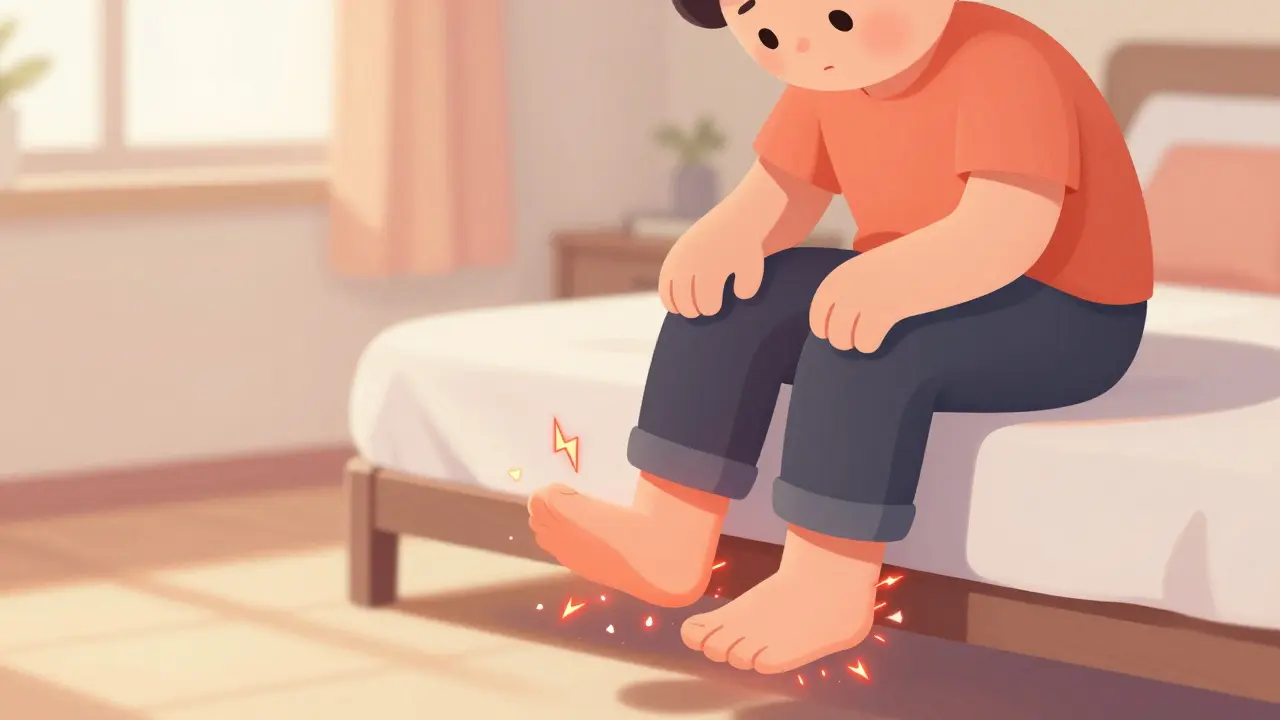
Imagine waking up with a burning sensation in your feet that feels like walking on hot coals, or a tingling in your fingers that makes it hard to button a shirt. For millions of people, this isn't a bad dream-it's the daily reality of diabetic neuropathy is nerve damage caused by long-term exposure to high blood glucose levels. While the thought of permanent nerve damage is scary, the truth is that you can slow it down, manage the pain, and in some cases, even see symptoms fade. The goal isn't just to mask the pain, but to protect the nerves you have left.
Quick Takeaways for Nerve Health
- Blood Sugar is King: Keeping your HbA1c below 7% is the most effective way to stop nerves from worsening.
- Medication Variety: Options range from FDA-approved drugs like Pregabalin to topical patches for those who can't tolerate pills.
- Lifestyle Matters: Low-impact exercise and a clean diet aren't just for weight loss; they actively reduce nerve inflammation.
- Advanced Options: For severe pain, tech like spinal cord stimulation is changing the game by restoring some sensation.
Why Your Nerves React to High Blood Sugar
When your blood sugar stays high for too long, it doesn't just affect your organs; it attacks the tiny blood vessels that feed your nerves. This starves the nerves of oxygen and nutrients. Most people first notice Diabetic Peripheral Neuropathy (DPN), which usually starts in the toes and feet and moves upward-a pattern often called "stocking-glove" distribution.
It's a bit of a paradox: as the nerves die, you might feel too much (burning, stabbing pain) or too little (complete numbness). The danger of numbness is that you could step on a tack or develop a blister and not feel it until it becomes a serious infection. That's why protecting the nerves is just as important as killing the pain.
The Gold Standard: Preventing Further Damage
If you want to stop neuropathy in its tracks, you have to start with Glycemic Control. It sounds basic, but it's the only way to address the root cause. According to the Diabetes Control and Complications Trial (DCCT), keeping your blood glucose in a tight range can slash the risk of neuropathy by about 60%.
What does that actually look like in real life? For most, the target is an HbA1c (a three-month average of blood sugar) below 7%. In daily terms, this means aiming for fasting glucose between 80-130 mg/dL and keeping post-meal levels under 180 mg/dL. When you hit these numbers, the "fuel" that damages the nerves is removed, giving your body a chance to stabilize.
Choosing the Right Pain Relief Strategy
Not every painkiller works for nerve pain. In fact, standard over-the-counter NSAIDs like ibuprofen can be risky for people with diabetes because they can strain the kidneys, which are already under pressure from high glucose. Instead, doctors use medications that change how your brain and nerves process pain signals.
Depending on your age and other health issues, your doctor might suggest different paths. Here is how the most common options stack up:
| Medication | Type | Typical Effect | Main Trade-off |
|---|---|---|---|
| Pregabalin | Anticonvulsant | 30-40% pain reduction | Possible weight gain/drowsiness |
| Duloxetine | SNRI | ~35% pain reduction | Gastrointestinal issues |
| Amitriptyline | Tricyclic Antidepressant | High efficacy (58-63%) | Stronger side effects in elderly |
| Capsaicin Patch | Topical Agent | Localized relief | Temporary burning sensation |
For those who struggle with pills, topical options like the 8% capsaicin patch offer a way to target the pain without affecting the rest of the body. If the pain is truly stubborn, some people move to Tramadol, though this is usually a last resort due to the risk of dependency and nausea.

Beyond Pills: Tech and Procedures
What happens when medication isn't enough? About 40-60% of people still feel significant pain even with the best drugs. This is where interventional pain management comes in. You might have heard of TENS (Transcutaneous Electrical Nerve Stimulation), which uses a small battery-powered device to send electrical pulses through the skin. It's a great non-invasive way to "confuse" the pain signals going to your brain.
For more severe cases, doctors can use nerve blocks-injecting local anesthetics like bupivacaine directly near the nerve. While these provide an immediate "quiet period" for the pain, they typically only last a few weeks.
The most exciting development recently is Spinal Cord Stimulation. Instead of just blocking pain, some patients find that this technology actually improves their sense of touch and feeling in their extremities. It's a shift from simply hiding the pain to potentially restoring some function.
Daily Habits That Protect Your Nerves
You can't just medicate your way out of neuropathy; you have to build a protective environment for your nerves. This starts with what you put on your plate. A diet heavy in fruits, vegetables, and lean proteins helps lower systemic inflammation, which reduces the "irritation" your nerves feel.
Then there's movement. It seems counterintuitive to exercise when your feet hurt, but low-impact activities like swimming, cycling, or yoga are essential. They improve circulation, ensuring that whatever oxygen is available actually reaches the nerve endings. Try to aim for 30 minutes a day, but listen to your body-if you have complete numbness, check your feet for blisters after every session.
Stress also plays a role. Chronic pain creates a cycle of stress and inflammation. Using mindfulness or deep breathing exercises isn't just about "relaxing"; it actually helps lower the cortisol levels that can make nerve pain feel more intense.

The Road to Recovery: What to Expect
Can nerve damage be reversed? The honest answer is: it depends. Severe, long-term damage is hard to undo. However, the Cleveland Clinic has noted that when blood sugar is brought under control, some people see their numbness and tingling fade within a year. The key is consistency.
Don't be discouraged if the first medication you try doesn't work. Nerve pain is incredibly personal; what feels like a miracle for one person might do nothing for another. Most patients try a few different combinations of SNRIs, anticonvulsants, and lifestyle changes before finding their "sweet spot."
Can diabetic neuropathy be cured completely?
While complete reversal of severe nerve damage is rare, many people experience a significant reduction in symptoms. By achieving strict glycemic control (HbA1c under 7%), you can stop further damage and allow the nerves to function better, which may make symptoms fade over 6 to 12 months.
Which is better: Pregabalin or Duloxetine?
Neither is universally "better" because they work differently. Pregabalin is an anticonvulsant that calms overactive nerves, while Duloxetine is an SNRI that changes how the brain perceives pain. Pregabalin may be better for those with stabbing pain, while Duloxetine is often preferred if the patient also struggles with depression or anxiety.
Why shouldn't I just take Ibuprofen for the pain?
NSAIDs like ibuprofen target inflammation in joints and muscles, not the specialized pain of damaged nerves. More importantly, people with diabetes have a higher risk of kidney disease; long-term use of these drugs can worsen kidney function and increase cardiovascular risks by 10-20%.
How do I know if my neuropathy is getting worse?
Watch for a change in the "level" of sensation. If the numbness or tingling that was only in your toes starts moving up toward your ankles or calves, or if you start losing feeling in your hands, it's time to review your glucose targets with your doctor.
Are there natural ways to protect my nerves?
Yes. The most powerful "natural" protection is a diet rich in whole grains and lean proteins paired with daily low-impact exercise. These habits reduce inflammation and improve the blood flow that keeps nerves alive. Avoiding processed sugars is the most critical step to prevent further nerve decay.
Next Steps for Your Journey
If you're just starting to feel the effects of neuropathy, your first move should be a blood test to check your current HbA1c. This gives you a baseline to work from. Next, start a daily foot-check routine-use a mirror to look at the soles of your feet every night to catch injuries you might not feel.
If you are already on medication and it isn't working, don't just increase the dose. Talk to your doctor about "layering" treatments-perhaps adding a topical patch to your oral medication or trying a TENS unit for a few hours a day. Small, combined changes often lead to the biggest improvements in quality of life.
15 Comments
Adding alpha-lipoic acid to the mix has been a total game changer for me personally! 🌟 Just make sure you clear any supplements with your doc first so there are no weird interactions. Keep pushing through, everyone! 💪
The sheer audacity of suggesting that a simple 'diet' can rectify the catastrophic failure of the peripheral nervous system is almost laughable. I've consulted with the most prestigious neurologists in the tri-state area, and the nuance required to manage this is far beyond a few bullet points in a blog post. It is a tragic, harrowing descent into numbness that requires a level of clinical precision that most general practitioners simply cannot comprehend. Truly an insult to the complexity of the human soma!
Omg i tried the capsaicin thing and it was way to hot!! 😱 like why would anyone do that to their skin? Honestly you all need to stop relying on pharma and just go vegan it's the only moral way to treat your body and the planet!! 🌿✨
Interesting stuff here but you gotta wonder who is funding these drug studies lol. Big Pharma loves pushing Pregabalin because it keeps you coming back and they just hide the real natural cures that actually work without the side effects. Its all a game to keep us sick and paying monthly subscriptions for our health just keep your eyes open friends
Oh wonderful, another guide telling us to 'just' keep our blood sugar low. I'm sure the millions of people with fluctuating glucose levels find this incredibly helpful and not at all condescending. Truly a masterpiece of oversimplification.
Check your feet!!! Every. Single. Night!!! Don't skip it!!!
I find that focusing on the holistic harmony between the mind and the physical vessel allows us to process the pain as a signal rather than an enemy, and while the pharmacological approach is certainly a necessary pillar for many, we must also contemplate how our spiritual alignment and the gentle pacing of our daily rituals contribute to a slower progression of the disease, eventually leading us to a place of acceptance where the physical limitation becomes a catalyst for a deeper internal growth and a more profound connection to the present moment.
TENS units are just a way for them to track your bio-electric frequency 🙄 don't trust the wires!! Stick to the old ways or nothing at all 🙅♂️
this is just basic info anyone with a phone could find in 2 seconds waste of time
Ah yes, the classic 'eat vegetables' advice. Because clearly, the burning sensation in my toes is just because I didn't eat enough kale this morning. Absolutely revolutionary stuff here.
The ontological paradox of pain is that it defines the boundary of the self 🌀 utilizing an SNRI to modulate the synaptic plasticity of the brain is just a chemical veil over the inevitable entropy of the somatic system 💊
peace to everyone suffering this is a hard road but we walk it together
True strength comes from the soil of our ancestors and the wisdom of the east which is far superior to these western pills
I've noticed a fascinating correlation between B-complex vitamins and the mitigation of those 'electric shock' sensations. Specifically, Methylcobalamin seems to act as a vivid catalyst for nerve sheath repair in some cases, though the efficacy varies wildly across different metabolic profiles. It's such a kaleidoscopic area of study!
That's a great point about the B-vitamins! Definitely something for people to bring up at their next check-up 👏