
Off-Label Drug Use Explained: Why Doctors Prescribe Medications Beyond FDA Approval
Off-Label Prescription Risk & Evidence Analyzer
Step 1: Prescription Details
Step 2: Evidence Strength
Based on your doctor's explanation or available research:
Step 3: Coverage & Safety Plan
Analysis Complete
Evidence Strength Score
Overall Risk Level
Key Findings:
Recommended Questions for Your Doctor:
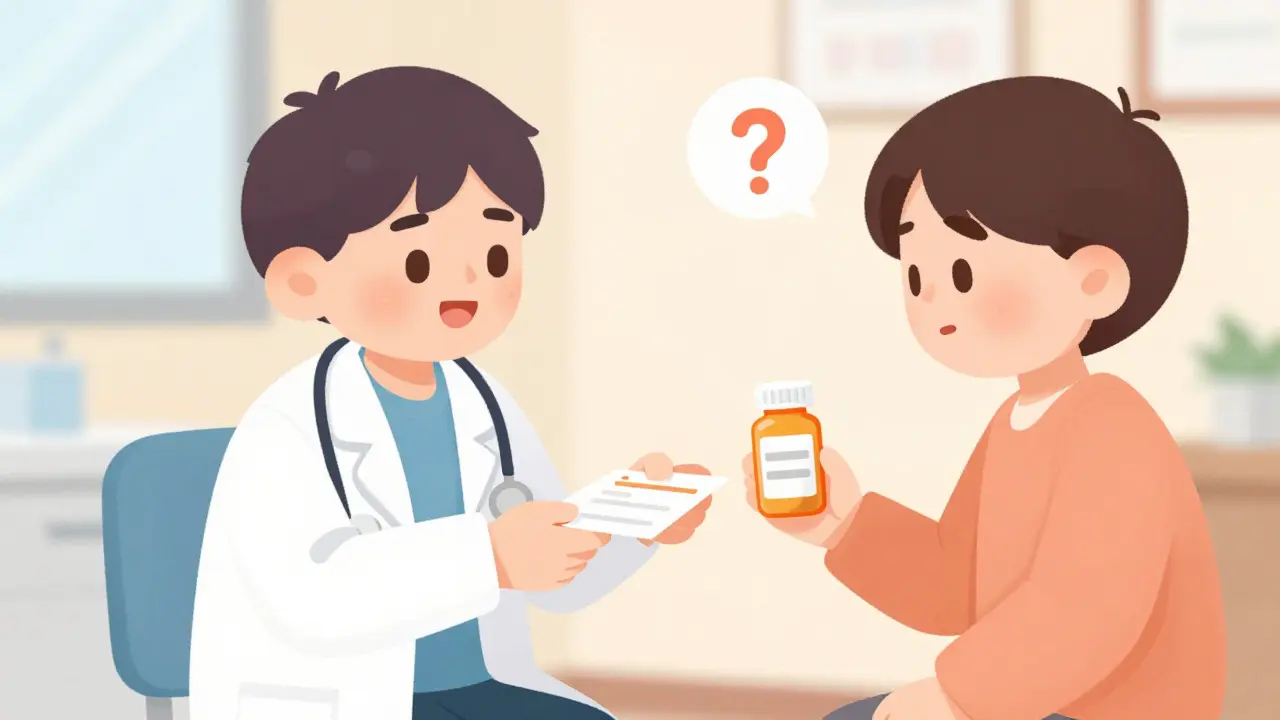
Imagine you are sitting in a doctor's office. Your physician hands you a prescription for a medication that treats high blood pressure. But you don't have high blood pressure. You have severe migraines. The label on the bottle doesn't list migraines as a condition it treats. Is your doctor making a mistake? Are they experimenting on you?
Surprisingly, no. This is called off-label drug use, which is the practice of prescribing pharmaceutical drugs for indications, age groups, dosages, or routes of administration that have not been approved by regulatory authorities like the FDA. It is legal, common, and often necessary. In fact, up to one-fifth of all prescriptions written in the United States are for off-label uses. For some specialties, like pediatrics, that number jumps to over 60%.
So why does this happen? And more importantly, is it safe for you? Let’s break down what off-label prescribing really means, why doctors rely on it, and how you can protect yourself when navigating this complex part of modern medicine.
What Exactly Is Off-Label Drug Use?
To understand off-label use, you first need to understand how drugs get approved. When a pharmaceutical company wants to sell a new drug, they must prove to the U.S. Food and Drug Administration (FDA) that it is safe and effective for specific conditions. This process involves years of clinical trials and costs billions of dollars.
Once the FDA says "yes," the drug gets a label. This label lists exactly what the drug is approved to treat, who can take it, and how much to take. If a doctor prescribes that drug for anything else, it is considered "off-label."
There are four main ways a prescription becomes off-label:
- Unapproved Condition: Using a drug for a disease it wasn't tested for. For example, using a chemotherapy drug approved for lung cancer to treat breast cancer.
- Unapproved Age Group: Giving a drug to children if it was only tested on adults. This is extremely common because kids are rarely included in initial drug trials.
- Unapproved Dosage: Prescribing a higher or lower dose than recommended. Maybe the label says 10mg, but your doctor thinks 20mg works better for your specific case.
- Unapproved Route: Administering the drug differently. For instance, crushing a pill meant to be swallowed whole and mixing it into food for a patient with swallowing difficulties.
The key thing to remember is that the FDA regulates the *marketing* of drugs, not the *practice* of medicine. Since the Kefauver-Harris Amendments in 1962, doctors have had the legal right to prescribe approved drugs however they see fit for their patients. The FDA explicitly states that healthcare providers may prescribe a drug for an unapproved use when they judge it is medically appropriate.
Why Do Doctors Prescribe Off-Label?
If there are approved treatments available, why go off-label? Usually, it comes down to three factors: necessity, evidence, and economics.
Necessity in Pediatric Care
Kids aren't just small adults. Their bodies metabolize drugs differently. Yet, historically, pharmaceutical companies avoided testing drugs on children because it is expensive and ethically complex. As a result, only about 20-30% of drugs have specific pediatric labeling. If a child has a serious infection or mental health condition, a doctor might have no choice but to use an adult-approved drug at a adjusted dose. Without off-label prescribing, many children would simply have no treatment options.
Oncology and Rare Diseases
Cancer biology is messy. A drug designed to target a specific protein mutation might work equally well on melanoma, kidney cancer, and colon cancer if those cancers share that same mutation. Waiting for the FDA to approve the drug for every single cancer type could take years. Patients dying from aggressive tumors don't have years to wait. So, oncologists frequently use drugs off-label based on molecular markers rather than the official label.
Economic Realities
Getting a new indication added to a drug label costs between $50 million and $100 million and takes 5 to 7 years. If a drug is still under patent protection, companies might do it. But if the patent has expired, the generic manufacturers have little financial incentive to pay for those trials. Even if a drug is clearly effective for a second condition, it might never get officially approved for it because it isn't profitable enough. Doctors step in to fill that gap.
Is Off-Label Prescribing Safe?
This is the big question. The short answer is: sometimes yes, sometimes no. It depends entirely on the strength of the scientific evidence behind the decision.
When off-label use is based on robust clinical data, systematic reviews, or expert consensus, it is generally as safe as on-label use. For example, using metformin (a diabetes drug) for polycystic ovary syndrome (PCOS) is off-label, but it is widely supported by research and considered standard care.
However, risks increase when the evidence is weak. A 2018 study published in JAMA Internal Medicine found that nearly 78% of off-label drug uses lacked strong scientific support. Only 22% had good evidence. This gap is where problems arise.
| Feature | On-Label Use | Off-Label Use |
|---|---|---|
| FDA Review | Reviewed for safety and efficacy for this specific use | Not reviewed for this specific use |
| Evidence Base | Large-scale randomized controlled trials required | Varies from strong studies to anecdotal reports |
| Insurance Coverage | Usually covered automatically | Often requires prior authorization or appeals |
| Liability | Lower risk for physicians | Higher scrutiny if adverse events occur |
| Pediatric Safety | Dosing guidelines established for children | Dosing often extrapolated from adult data |
A historical warning is the Fen-Phen case. In the late 1990s, doctors combined fenfluramine and phentermine off-label for weight loss. It was popular, but it caused severe heart valve damage. Both drugs were eventually withdrawn from the market. This shows that just because a drug is approved for one thing doesn't mean it's safe for everything.
The Marketing Minefield: What Companies Can Say
Here is where it gets tricky. While doctors can prescribe off-label, pharmaceutical companies face strict rules about promoting it.
Drug manufacturers are prohibited from marketing a drug for an off-label use. If a sales rep tells a doctor, "Hey, our antidepressant also works great for anxiety," that is illegal promotion. The FDA enforces this strictly. GlaxoSmithKline paid a record $3 billion fine in 2012 for illegally promoting several drugs for off-label uses. Pfizer paid $2.3 billion in 2012 for similar violations.
Why such harsh penalties? Because without large-scale trials, the company hasn't proven the drug is safe for that new use. They want to sell more pills, but they haven't done the homework to ensure patient safety. By restricting promotion, regulators try to keep prescribing decisions focused on medical judgment rather than marketing hype.
However, doctors can still learn about off-label uses through peer-reviewed journals, medical conferences, and independent databases. The information exists; it just can't come directly from the drug maker's advertising department.
Navigating Insurance and Costs
Even if your doctor prescribes an off-label medication, getting your insurance to pay for it can be a battle. Most insurance plans cover on-label uses automatically. For off-label uses, they often require "prior authorization."
Insurers like UnitedHealthcare typically demand proof that the off-label use is supported by:
- Scientific evidence from peer-reviewed journals.
- Inclusion in recognized compendia, such as the National Comprehensive Cancer Network (NCCN) guidelines for cancer.
- Or, that it is listed in standard reference texts like DRUGDEX.
If the evidence isn't there, you might have to pay out of pocket. A 2023 study found that physicians spend an average of 27 minutes per patient researching and justifying off-label uses, with insurance delays adding 3 to 5 business days to starting treatment. This administrative burden can delay critical care, especially in oncology.
Trends and Future Directions
We are seeing a surge in off-label use for weight management. Drugs like semaglutide (Ozempic), originally approved for type 2 diabetes, are being prescribed off-label for weight loss at unprecedented rates. GoodRx reported a 300% increase in these off-label prescriptions between 2020 and 2023. While effective, long-term safety data for non-diabetic users is still emerging.
Looking ahead, the FDA is exploring ways to streamline approvals using real-world evidence. The 21st Century Cures Act allows regulators to look at data from electronic health records and patient registries, not just traditional clinical trials. This could help move successful off-label uses onto the official label faster, reducing uncertainty for both patients and insurers.
Despite these changes, experts predict that 18-22% of all prescriptions will remain off-label through 2030. It is too ingrained in specialties like pediatrics and oncology to disappear. The goal isn't to eliminate it, but to make it safer and more evidence-based.
What Should You Ask Your Doctor?
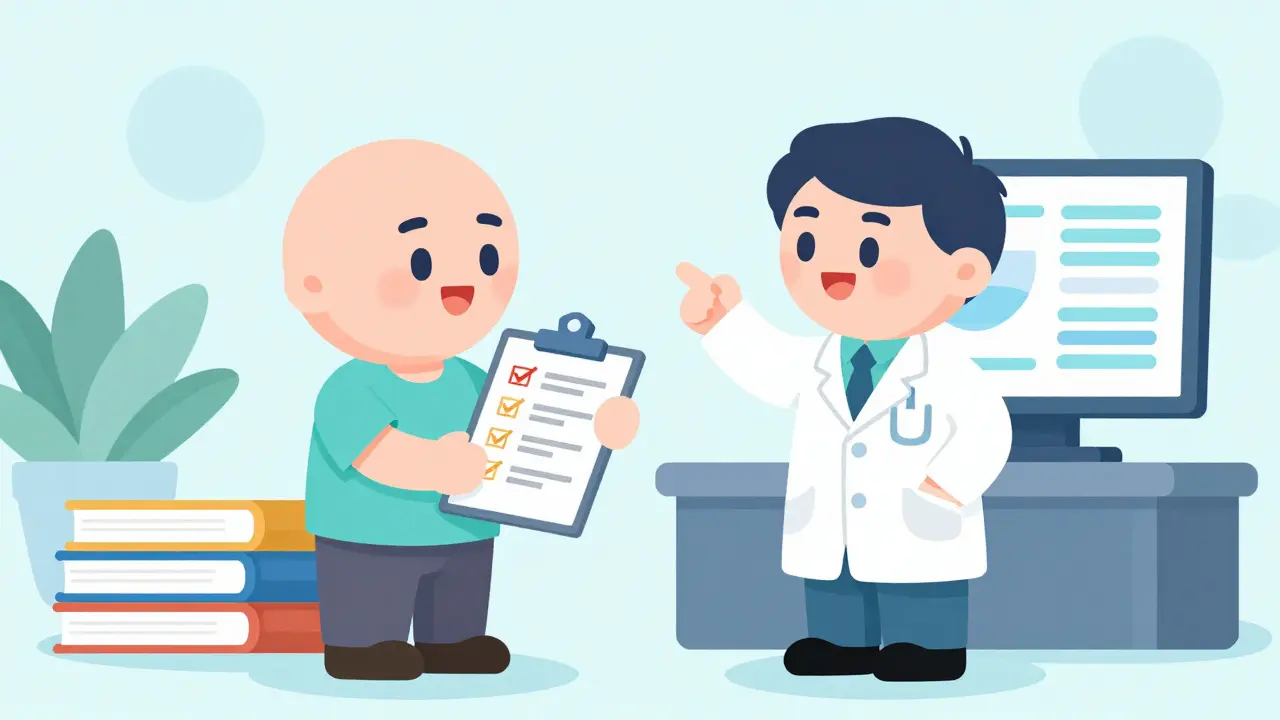
If your doctor suggests an off-label prescription, don't panic. It is likely a thoughtful decision based on your unique needs. However, you are your own best advocate. Here are three questions to ask:
- "What is the evidence for this use?" Ask if there are studies or guidelines supporting this approach. Is it based on strong clinical trials or just expert opinion?
- "Are there any on-label alternatives?" Sometimes there is an approved drug that works similarly but might be easier to get covered by insurance.
- "How will we monitor for side effects?" Since the drug hasn't been studied extensively for your condition, you might need closer follow-up to catch any unexpected reactions early.
Off-label drug use is a double-edged sword. It expands therapeutic options and saves lives when approved treatments fail. But it requires careful judgment, transparent communication, and rigorous documentation. Understanding how it works empowers you to participate actively in your healthcare decisions.
Is off-label drug use legal?
Yes, off-label drug use is completely legal for physicians to prescribe. The FDA regulates drug marketing and approval, but it does not regulate the practice of medicine. Doctors have the professional freedom to prescribe approved drugs for unapproved uses if they believe it is medically appropriate for the patient.
Does insurance cover off-label medications?
Coverage varies. Many insurance plans cover off-label uses if they are supported by strong scientific evidence or included in recognized medical compendia like NCCN. However, you may need to go through a prior authorization process where your doctor provides documentation to justify the prescription. Some plans may deny coverage if the evidence is deemed insufficient.
Why are so many children prescribed off-label drugs?
Children are often excluded from initial clinical trials due to ethical concerns and recruitment difficulties. As a result, fewer than 30% of drugs have specific pediatric labeling. Doctors must often adjust adult doses or use drugs approved for adults to treat children, making off-label prescribing a necessity in pediatric care.
Can pharmaceutical companies advertise off-label uses?
No, pharmaceutical companies are strictly prohibited from promoting or advertising drugs for off-label uses. Doing so can result in massive fines and legal settlements. They can only market the drug for the indications specifically approved by the FDA. Doctors learn about off-label uses through independent medical literature and conferences.
Is off-label prescribing risky?
It can be. The risk depends on the quality of the evidence supporting the off-label use. When backed by strong clinical studies, it is generally safe. However, when based on weak evidence or anecdotal reports, there is a higher risk of ineffective treatment or unexpected side effects. Always discuss the evidence base with your doctor.
What is the difference between off-label and experimental drugs?
An off-label drug is already FDA-approved for at least one condition. An experimental drug has not yet received FDA approval for any use and is typically only available through clinical trials. Off-label use relies on existing safety data for the drug itself, even if the specific application is new.