
Prednisone and Prednisolone Side Effects: What You Need to Know About Short-Term and Long-Term Risks

Prednisone/Prednisolone Side Effect Risk Calculator
Assess Your Side Effect Risk
Enter your daily dose and duration of use to see your estimated risk of common side effects. This tool is based on clinical data from medical studies.
When you’re prescribed prednisone or prednisolone, it’s usually because something in your body is overreacting - your immune system attacking your joints, lungs, skin, or gut. These drugs don’t cure the disease. They silence the noise. But that silence comes at a cost. Millions of Americans take them every year, and most don’t know what they’re really signing up for.
How Prednisone and Prednisolone Work - And Why They’re Not the Same
Prednisone and prednisolone are both synthetic steroids, but they’re not interchangeable in every way. Prednisone is a prodrug - it’s inactive until your liver turns it into prednisolone. That means if your liver is damaged from alcohol, hepatitis, or cirrhosis, prednisone might not work well at all. In those cases, doctors skip the middleman and prescribe prednisolone directly.
For someone with healthy liver function, 5 mg of prednisone equals 5 mg of prednisolone in effect. But if your liver is struggling, you might need 20% more prednisone to get the same result - or better yet, switch to prednisolone. This isn’t just theory. Studies show patients with severe liver disease convert less than 30% of prednisone to its active form.
Both drugs work the same way: they slip into cells and shut down inflammation signals. They stop white blood cells from rushing to the site of damage. They reduce swelling, redness, pain. That’s why they’re used for lupus flares, severe asthma attacks, rheumatoid arthritis, and even allergic reactions that won’t quit.
Short-Term Side Effects: The Immediate Aftermath
Most people start feeling the effects of these drugs within hours. The inflammation fades fast. But so does your peace of mind.
Within days, you might notice:
- Insomnia - even if you’re exhausted, your brain won’t shut off. One patient on Reddit described it as "feeling wired but drained."
- Increased appetite - suddenly, you’re craving chips, cookies, pizza. Not because you’re hungry. Because your brain’s reward system is hijacked.
- Mood swings - irritability, anxiety, or even euphoria. Some people feel like they’re on a high. Others feel like they’re losing control. A 2023 Mayo Clinic study found 21% of prednisone users reported significant mood changes.
- Fluid retention - your ankles swell. Your face puffs up. You gain 5-10 pounds in a week, mostly water. This isn’t fat. It’s sodium and water stuck in your tissues.
- Headaches and dizziness - not always from high blood pressure, but from how the drug affects your nervous system.
These aren’t rare. In fact, they’re expected. On Drugs.com, 68% of users reported insomnia, 65% said their appetite exploded, and 52% admitted to mood swings. The good news? Most of these fade within two weeks after you stop taking the drug.
One thing many don’t warn you about: the "steroid flush." Your face turns red, your skin feels hot, and you sweat more than usual. It’s not a fever. It’s your blood vessels dilating. It’s temporary - but it’s embarrassing.
Long-Term Side Effects: The Hidden Toll
Short-term use? Manageable. Long-term? That’s where things get serious.
Take prednisone or prednisolone for more than three weeks at a dose higher than 7.5 mg daily, and your risk of serious side effects jumps dramatically. Dr. Robert Kimberly from the University of Alabama found that 40% of patients on 20 mg daily for eight weeks developed at least one major complication.
Here’s what happens over months and years:
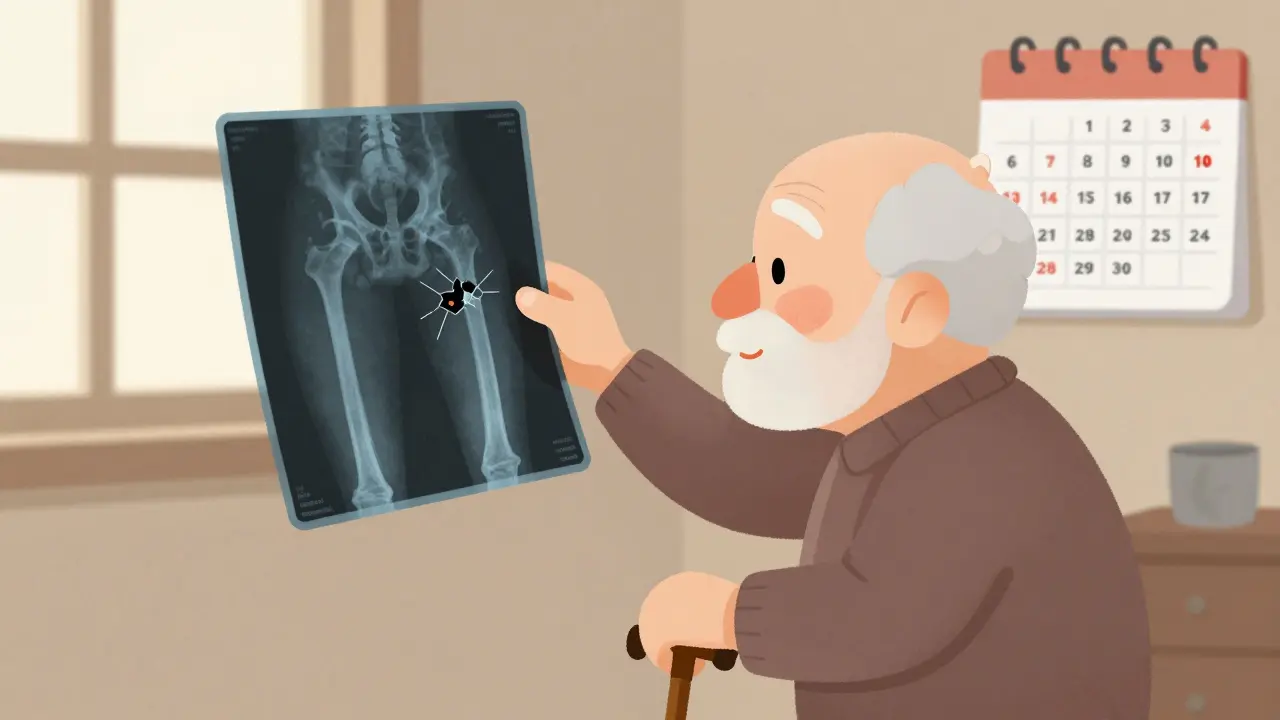
- Bone loss and fractures: Steroids block bone-building cells and speed up bone breakdown. After two years of use, 63% of long-term users in one registry developed osteoporosis. Some break bones from a simple fall - or even a sneeze.
- Cataracts and glaucoma: Your eyes change. Cloudy lenses form. Pressure builds inside your eye. About 41% of patients on chronic steroids need cataract surgery. Glaucoma can sneak up silently - no pain, no symptoms - until vision is gone.
- Adrenal suppression: Your body stops making its own cortisol. When you stop the drug too fast, your adrenal glands can’t catch up. That’s adrenal crisis - low blood pressure, vomiting, confusion, even death. That’s why you never quit cold turkey. Tapering takes weeks, sometimes months.
- Diabetes: Steroids make your liver pump out sugar and your body ignore insulin. 54% of non-diabetics on doses above 20 mg daily develop steroid-induced hyperglycemia. Some never go back to normal.
- Muscle wasting: Your arms and legs get weak. You can’t climb stairs. You need help getting out of a chair. This isn’t aging. It’s steroid myopathy.
- Stomach ulcers: Steroids thin the stomach lining. Add NSAIDs like ibuprofen? Risk spikes. That’s why doctors prescribe proton pump inhibitors (like omeprazole) for anyone on more than 5 mg daily for over four weeks.
- Avascular necrosis: Blood flow to your hip or shoulder joint dies. Bone tissue collapses. You need surgery. Happens in 9-40% of high-dose, long-term users.
And then there’s the psychological toll. One Reddit user wrote: "I was on 60 mg. I thought my apartment was full of spiders that weren’t there. I called 911 three times." That’s steroid psychosis - rare, but real. It’s not "being dramatic." It’s your brain chemistry being altered.
Who Gets Hit Hardest? Kids, Seniors, and Those With Existing Conditions
Not everyone reacts the same. Some groups are far more vulnerable.
Children: Growth slows. One study found every 0.2 mg/kg/day of prednisolone cuts height gain by 1.2 cm per year. Parents report "moon face" - the round, puffy cheeks - as the most distressing side effect. But the good news? Once the drug stops, most kids catch up in height within months.
Seniors: Bone loss hits harder. Muscle weakness increases fall risk. Diabetes and high blood pressure worsen. They’re more likely to develop cataracts and infections. Many older adults end up on steroids for just a few weeks - but even that can trigger lasting damage.
People with diabetes, high blood pressure, or liver disease: These conditions get worse fast on steroids. Blood sugar spikes. Blood pressure soars. Liver function plummets. Doctors have to weigh the benefits carefully - and often choose prednisolone over prednisone for liver patients.
How to Protect Yourself - Practical Steps That Actually Work
You can’t always avoid steroids. But you can reduce the damage.
- Take it early in the day. If you take it after 2 PM, you’ll likely lose sleep. A Mayo Clinic trial showed moving doses to before noon cut insomnia from 68% to 29%.
- Watch your sodium. Limit salt to under 2,000 mg a day. Eat more potassium - bananas, spinach, sweet potatoes - to balance fluids. This alone can cut swelling and high blood pressure.
- Move your body. Weight-bearing exercise - walking, lifting, yoga - preserves bone density. One study showed a 22% higher bone strength in patients who exercised regularly while on steroids.
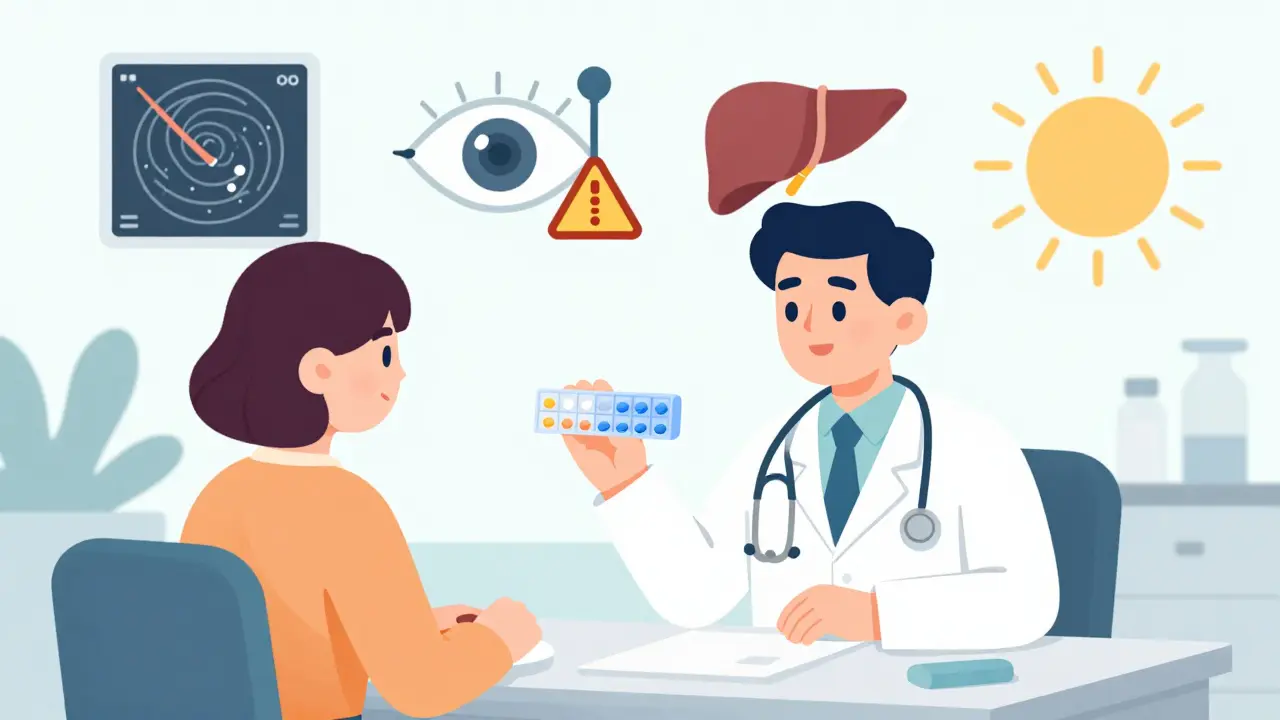
- Get your bones checked. If you’re on more than 5 mg daily for over three months, ask for a DEXA scan. If your bone density is low, you may need bisphosphonates - but even those only prevent 55% of fractures. Prevention is better than treatment.
- Protect your eyes. Get an annual eye exam. Glaucoma and cataracts don’t show symptoms until it’s too late.
- Don’t skip doses or double up. Missing a dose can trigger adrenal crisis. Doubling a dose can cause toxic levels. Use a pill organizer or medication app - studies show they improve adherence by 37%.
- Never stop cold turkey. Tapering takes time. Your doctor should give you a schedule. If they don’t, ask for one.
Is There a Better Way?
Doctors know steroids are blunt instruments. That’s why biologics like tocilizumab and rituximab are replacing them in many cases - especially for rheumatoid arthritis. These drugs target specific parts of the immune system. Less collateral damage.
A new delayed-release prednisone called Deltacorten was approved in May 2023. It releases the drug slowly overnight, mimicking your body’s natural cortisol rhythm. In trials, it cut mood swings by 32%.
And researchers are testing something even more promising: selective glucocorticoid receptor modulators. These drugs aim to keep the anti-inflammatory power of steroids without the metabolic chaos. Early results show a 60% reduction in side effects like weight gain and blood sugar spikes.
But for now? Prednisone and prednisolone are still the fastest, most effective tools we have for acute flare-ups. A 2023 survey of 500 rheumatologists found 94% still consider them indispensable.
When to Talk to Your Doctor
Call your doctor if:
- You’ve been on steroids for more than three weeks.
- You’re gaining weight fast, especially around your face or belly.
- Your mood has changed - you’re angry, anxious, or depressed.
- You’re having trouble sleeping, even after taking the pill in the morning.
- You’ve broken a bone from a minor injury.
- Your vision is blurry or your eyes hurt.
- You feel dizzy, weak, or nauseated after missing a dose.
Don’t wait until something breaks. Ask about bone scans, eye exams, blood sugar checks, and tapering plans before you start.
Are prednisone and prednisolone the same thing?
They’re very similar, but not identical. Prednisone must be converted by your liver into prednisolone to work. If your liver is healthy, they’re equally effective at the same dose. If your liver is damaged, prednisolone is preferred because it skips the conversion step.
How long do side effects last after stopping?
Short-term side effects like insomnia, appetite changes, and mood swings usually fade within 1-2 weeks after stopping. Long-term effects - like bone loss, cataracts, or adrenal suppression - can be permanent. That’s why tapering and monitoring are critical.
Can I take prednisone if I have diabetes?
Yes, but with caution. Prednisone raises blood sugar significantly. If you have diabetes, your doctor will likely adjust your insulin or oral meds. Non-diabetics on doses over 20 mg daily have a 54% chance of developing high blood sugar. Monitoring is essential.
Why do steroids cause weight gain?
Two reasons: fluid retention from sodium buildup, and increased appetite that leads to overeating. The weight isn’t all fat - much of it is water. But the hunger signal is real and powerful. Eating high-protein, low-sodium meals helps.
Is it safe to drink alcohol while on prednisone?
Not recommended. Alcohol stresses your liver - the same organ needed to convert prednisone. It also increases your risk of stomach ulcers and raises blood pressure. If you’re on steroids long-term, avoid alcohol completely.
Can prednisone cause depression?
Yes. Steroids affect brain chemicals like serotonin and dopamine. Depression, anxiety, and even psychosis can occur - especially at doses above 40 mg daily. If you feel hopeless, withdrawn, or have thoughts of self-harm, contact your doctor immediately.
What’s the lowest effective dose?
There’s no universal number - it depends on your condition. But experts agree: if you’re on more than 7.5 mg daily for over three weeks, your risk of side effects climbs sharply. Always ask your doctor if you can reduce the dose sooner.
Do I need to take calcium and vitamin D?
Yes, if you’re on steroids for more than three months. The American College of Rheumatology recommends 1,200 mg of calcium and 800-1,000 IU of vitamin D daily. This helps protect your bones - but it’s not a substitute for bone density scans or other treatments.
Final Thought: Use Them Wisely
Prednisone and prednisolone aren’t villains. They’re tools - powerful, fast-acting, and often life-saving. But they’re not meant to be permanent. Every day you take them, you’re borrowing from your future health. The key isn’t fear. It’s awareness. Know the risks. Ask the questions. Follow the plan. And never, ever stop without your doctor’s guidance.
8 Comments
Prednisone is just Big Pharma’s way of keeping you hooked while they sell you more drugs. They don’t care if you gain 20 pounds or break a bone - as long as you keep coming back.
If you are on this medicine, eat less salt, move your body, and take calcium. Simple. It helps a lot. Your doctor can help you taper safely too.
It is imperative to emphasize that adrenal suppression is not a trivial concern. Abrupt discontinuation may result in life-threatening hypocortisolism. Tapering protocols must be individualized and strictly adhered to.
Hey, I was on this for 6 weeks after my flare-up and yeah, I felt weird - but I’m back to normal now. Just took it in the morning, ate clean, and walked every day. You got this!
Oh, so we’re just supposed to ‘use them wisely’? How quaint. The real tragedy isn’t the side effects - it’s that we’ve reduced human biology to a cost-benefit spreadsheet managed by clinicians who’ve never felt the ghost of their own cortisol vanish.
Meanwhile, the ‘selective glucocorticoid receptor modulators’? The same people who brought you Vioxx are now whispering ‘magic bullets.’ History repeats. Always.
Thank you for this comprehensive and clinically accurate overview. The distinction between prednisone and prednisolone in hepatic impairment is critical and often overlooked in primary care settings. I strongly encourage all patients on long-term therapy to request baseline DEXA scans, ophthalmologic evaluation, and fasting glucose monitoring prior to initiation.
Additionally, the recommendation to take doses before noon is supported by robust circadian pharmacokinetic data. Consistency in timing improves tolerability and reduces insomnia risk by nearly 60%.
Y’all are acting like prednisone is some kind of demon drug. I’ve been on 40mg for 18 months. My RA is in remission. My knees don’t scream. I sleep fine. I take my calcium. I drink water. I don’t eat junk. The real problem? People who don’t take responsibility for their own bodies. You think a pill is gonna fix you? Nah. You gotta move. You gotta eat. You gotta wake up and fight.
And btw - ‘steroid psychosis’? That’s what happens when you’re on 60mg and also doing 5 different drugs and drinking wine like it’s Gatorade. Stop blaming the medicine and start looking in the mirror.
Anyone who says prednisone is ‘safe’ if you ‘take it wisely’ is either a pharma rep or someone who’s never had their face swell up like a balloon while their bones turn to dust. This isn’t medicine - it’s chemical hostage negotiation. You pay with your body to buy a few months of feeling ‘normal.’
And don’t get me started on ‘delayed-release’ prednisone. It’s just a fancy pill with a new label. The same toxins. The same destruction. The same lies wrapped in ‘clinical trials’ and ‘expert consensus.’
Biologics? They’re expensive. They’re experimental. They’re still killing people. But at least they make the doctors feel like they’re doing something ‘advanced.’ Meanwhile, your liver’s still screaming.