
Prior Authorization for Medications: What It Is and How to Get Approved
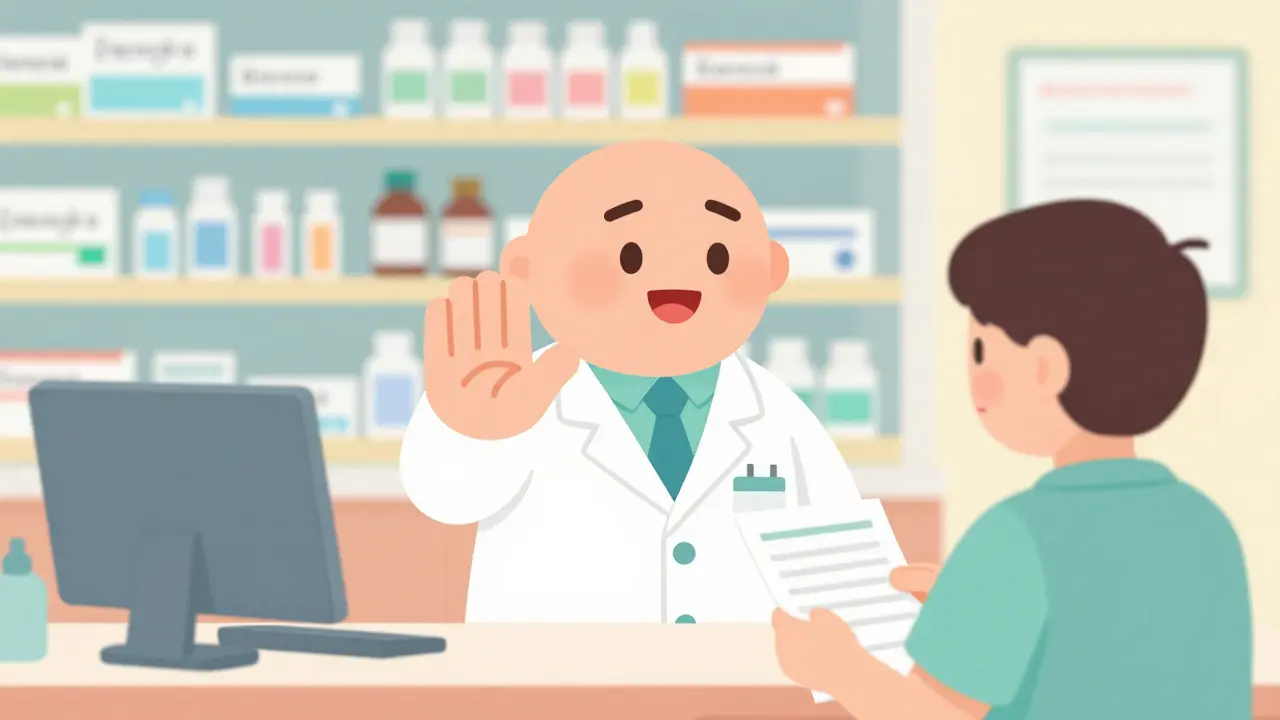
You finally get a prescription for a medication that should help your condition. You head to the pharmacy, ready to pay your usual copay. Instead, the pharmacist tells you the insurance won't cover it yet. You need prior authorization. It sounds like bureaucratic red tape, but understanding this process is key to getting the treatment you need without breaking the bank.
Prior authorization, often called pre-approval or pre-certification, is a requirement from health insurance companies. They want their doctors to check in before they will pay for certain drugs. This isn't personal. It’s a standard part of how managed care works in the United States today. The goal is to make sure the drug is safe, effective, and medically necessary for your specific situation.
Why Do Insurance Companies Require Prior Authorization?
It might feel like an obstacle, but there is a logic behind it. Health plans use prior authorization as a utilization management tool. According to the Academy of Managed Care Pharmacy (AMCP), it ensures that drug benefits are used as designed. They want to confirm that you are getting therapy that provides the greatest value while remaining safe.
Insurance companies also use this step to control costs. Many expensive brand-name drugs have cheaper generic alternatives that work just as well. By requiring prior authorization, the insurer can ask your doctor to prove why the generic won’t work for you. If the generic is sufficient, you save money, and the plan saves money. If the brand name is truly necessary, the plan covers it after reviewing your case.
This practice is common across all major types of coverage. Whether you have commercial insurance through an employer, a marketplace plan, or Medicare Part D, you will likely encounter these rules. In Medicare, this process is sometimes referred to as a "coverage determination."
Which Medications Typically Need Prior Authorization?
Not every pill requires extra paperwork. Over-the-counter meds and most basic generics usually go through smoothly. However, certain categories of drugs almost always trigger a prior authorization request. Knowing these categories helps you anticipate delays.
- Brand-name drugs with generic alternatives: If a cheaper version exists, insurers often block the brand name until the doctor proves the generic failed or caused side effects.
- High-cost medications: Drugs that cost thousands of dollars per month, such as some biologics or specialty injectables, require strict review to ensure they are the right fit.
- Drugs with specific usage guidelines: Some meds are only approved for certain age groups, specific diagnoses, or after other treatments have failed.
- Specialty medications: Complex drugs, like chemotherapy agents, may require prescribing by a specialist, such as an oncologist, rather than a primary care physician.
- Drugs with abuse potential: Certain painkillers or anxiety medications may have stricter controls to prevent misuse.
The Mayo Clinic notes that patients should expect prior authorization for brand names when generics are available. Blue Shield of California adds that services and drugs needing approval are those where safety and necessity must be verified individually.
How the Prior Authorization Process Works
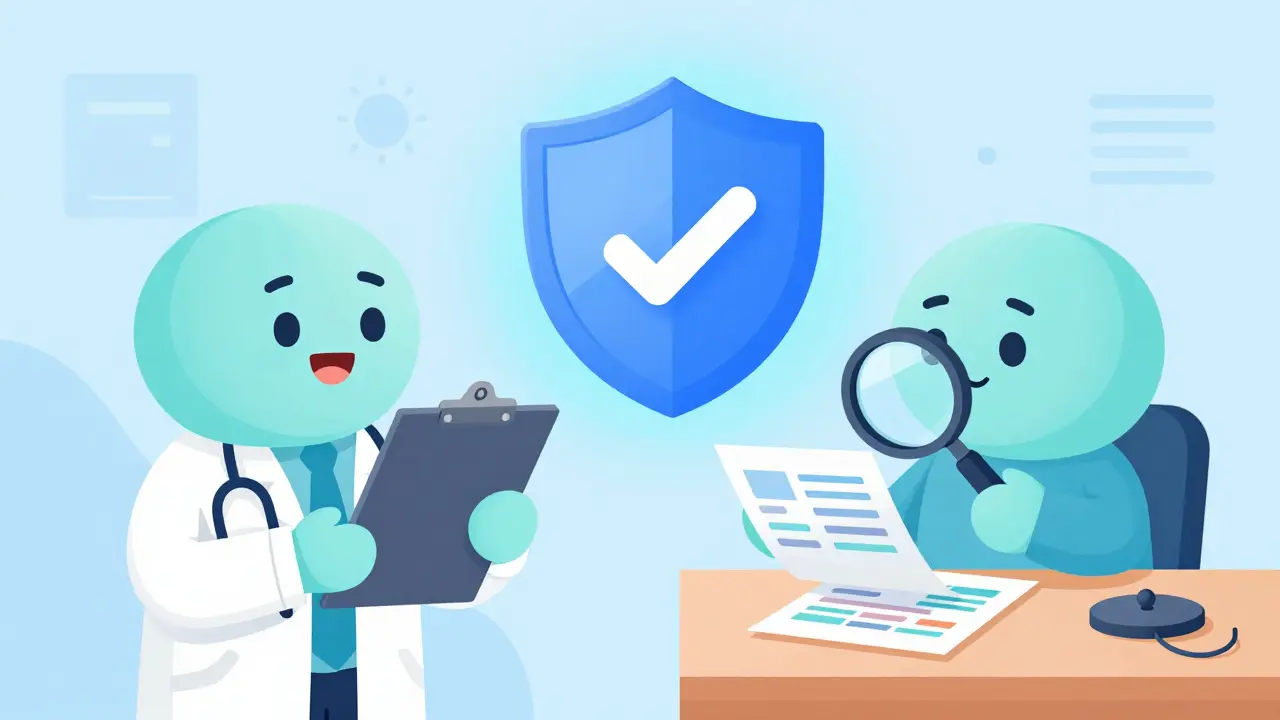
The workflow is straightforward on paper, though it can feel slow in practice. Here is what happens behind the scenes when your doctor prescribes a restricted medication.
- The Prescription: Your doctor determines you need a specific drug. They write the prescription.
- The Check: Before sending it to the pharmacy, the doctor’s office checks your insurance formulary (the list of covered drugs). They see the drug requires prior authorization.
- The Submission: The provider fills out a request form. This form details your diagnosis, your medical history, and why this specific drug is medically necessary. They attest that the information is accurate.
- The Review: The insurance company reviews the request. This is often done by a pharmacist or a medical reviewer within the plan. They check if the criteria for approval are met.
- The Decision: The insurer approves or denies the request. If approved, the authorization is entered into the system, and the pharmacy can fill the script.
For off-label uses-where a drug is prescribed for a condition not officially listed on its FDA label-the process is stricter. The American Medical Association (AMA) and AMCP note that the prescriber must provide evidence supporting the unapproved use. Sometimes, the insurance plan assigns a pharmacist to conduct a literature review to verify the clinical validity.
How Long Does Prior Authorization Take?
Time is the biggest frustration here. GoodRx reports that the process can take anywhere from a couple of days to a few weeks. There is no universal speed limit, and each insurance company operates differently.
Once approved, the authorization doesn't last forever. It usually lasts for a defined timeframe, such as one year or a set number of refills. After that expires, you may need to re-apply. If your condition changes or you switch insurance plans, you might need a new authorization even for the same drug.
If you cannot wait, there are options. You can file an urgent request if the delay poses a serious health risk. Alternatively, you might pay upfront at the pharmacy and submit a reimbursement claim later, once the approval comes through. However, paying cash first is risky; if the authorization is denied, you are stuck with the bill. Always check with your doctor’s office to confirm the request was submitted.

What Happens If Your Request Is Denied?
A denial feels final, but it is rarely the end of the road. When an insurer denies a prior authorization, they usually provide a reason. Common reasons include lack of medical necessity, failure to try cheaper alternatives first, or missing documentation.
Your next step is an appeal. You and your doctor can challenge the decision. The AMA emphasizes that physicians play a crucial role here. They can submit additional records, letters of medical necessity, or peer-reviewed studies to support your case. Medicare members can call Customer Service on their ID card to start this process. For private plans, follow the appeals procedure outlined in your summary of benefits.
In emergencies, prior authorization is waived. Medicare explicitly states that if you have an emergency and need treatment or medication immediately, you do not need prior approval. Coverage for these emergency costs is subject to your plan's terms, but the pre-approval step is skipped to save time.
Tips for Navigating Prior Authorization Smoothly
Don't wait until you are at the pharmacy counter to find out about issues. Proactive steps can save you hours of stress and potentially hundreds of dollars.
| Action | Who Does It | Why It Helps |
|---|---|---|
| Check the Formulary | Patient & Doctor | Identifies coverage restrictions before the prescription is written. |
| Use Price Check Tools | Patient | Tools like Blue Shield's "Price Check My Rx" show pricing and alternatives. |
| Submit Early | Doctor's Office | Prevents gaps in medication during the review period. |
| Follow Up | Patient | Ensures the request hasn't been lost in the system. |
| Appeal Denials | Patient & Doctor | Many initial denials are overturned with proper documentation. |
The Mayo Clinic advises that patients are responsible for knowing if their medication is covered. Contact your insurance company directly. Ask questions like: "Does this drug require prior authorization?" and "Are there preferred alternatives on the formulary?" If a drug is not covered, discuss cash-pay options or therapeutic alternatives with your doctor.
Remember, prior authorization is a dialogue between your care team and your insurer. It is designed to align clinical needs with financial realities. By staying informed and proactive, you can navigate this hurdle efficiently and get the care you deserve.
What is prior authorization for medications?
Prior authorization is a process where your doctor must get approval from your health insurance company before they will cover a specific medication. It ensures the drug is medically necessary and appropriate for your condition.
How long does prior authorization take?
The timeline varies by insurer and complexity. It can take anywhere from a few days to several weeks. Urgent requests may be processed faster if a delay poses a health risk.
Can I pay for my medication if prior authorization is pending?
Yes, you can often pay cash upfront and seek reimbursement later once approved. However, this is risky if the authorization is ultimately denied, so consult your doctor and insurer first.
Why would my prior authorization be denied?
Common reasons include lack of medical necessity, availability of cheaper generic alternatives, or insufficient documentation from your doctor. You can usually appeal a denial.
Do I need prior authorization for generic drugs?
Rarely. Prior authorization is most commonly required for brand-name drugs when a generic alternative exists, or for high-cost specialty medications. Most standard generics do not require pre-approval.
Is prior authorization required in emergencies?
No. In emergency situations, prior authorization is typically waived to ensure immediate access to necessary care. Coverage terms still apply, but the pre-approval step is skipped.
How do I check if my drug needs prior authorization?
You can check your insurance plan's drug formulary online, use price-check tools provided by your insurer, or ask your doctor's office and pharmacist before filling the prescription.
What is the difference between prior authorization and a formulary?
A formulary is the list of drugs your insurance covers. Prior authorization is a restriction placed on certain drugs within that list, requiring extra approval before coverage is granted.