
Thiazolidinediones and Heart Failure: Understanding Fluid Retention Risks

TZD Fluid Retention Risk Checker
Medical History Factors
Select any conditions that apply to you:
Current Symptoms
Have you experienced these recently?
Your Risk Assessment
Select factors above and click Analyze to see your estimated risk level.
If you take medication for type 2 diabetes, you might have heard about a specific class of drugs called thiazolidinediones (TZDs). These include well-known brand names like Actos and Avandia. They are powerful tools for lowering blood sugar because they help your body use insulin more effectively. But there is a catch that every patient needs to understand before starting treatment. TZDs can cause your body to hold onto extra water. For most people, this means swollen ankles. For others, especially those with existing heart issues, it can lead to serious complications like congestive heart failure.
Understanding this risk isn't just about reading the fine print; it's about knowing how these drugs interact with your kidneys and heart. This guide breaks down why fluid retention happens, who is at the highest risk, and what signs you should watch for to stay safe while managing your diabetes.
How Thiazolidinediones Work in the Body
To understand the side effects, we first need to look at the mechanism. TZDs belong to a group of medications known as peroxisome proliferator-activated receptor-gamma (PPAR-γ) agonists. In simple terms, they act like keys that unlock receptors in your fat cells, muscles, and liver. When these locks open, your cells become more sensitive to insulin, which helps pull glucose out of your bloodstream and into your cells for energy.
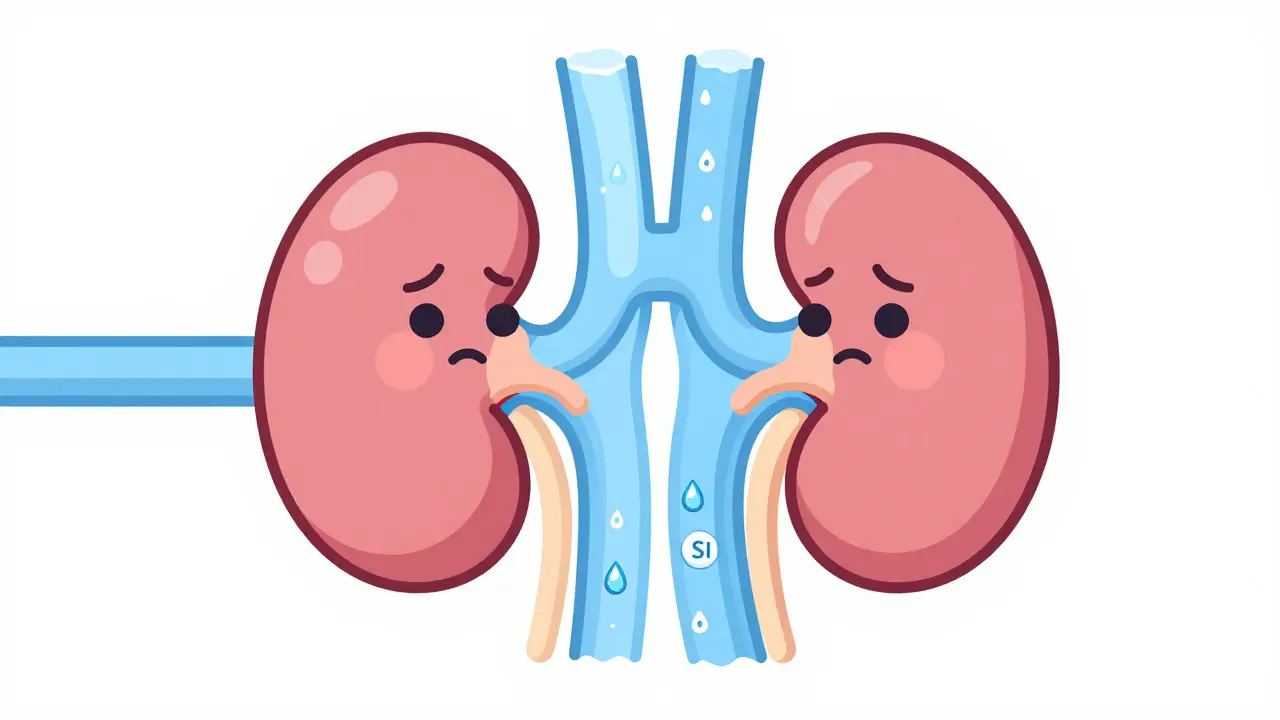
The problem arises because PPAR-γ receptors aren't just located in tissues involved in sugar metabolism. They are also found in your kidneys and blood vessels. When TZDs activate these receptors, they send signals that change how your kidneys handle salt and water. Instead of flushing excess fluid out through urine, your kidneys start reabsorbing sodium and water back into your bloodstream. This increases your total blood volume, which puts extra pressure on your heart and can lead to swelling in your extremities.
| Drug Name | Brand Name | FDA Approval Year | Primary Use |
|---|---|---|---|
| Pioglitazone | Actos | 1999 | Type 2 Diabetes Management |
| Rosiglitazone | Avandia | 1999 | Type 2 Diabetes Management (Restricted Access) |
The Connection Between Fluid Retention and Heart Failure
Fluid retention sounds uncomfortable, but is it dangerous? For a healthy heart, holding a few extra pounds of water might just mean tight shoes. However, if your heart is already struggling to pump efficiently, that extra volume becomes a heavy burden. Think of your heart as a pump moving water through pipes. If you suddenly add more water to the system without upgrading the pump, the pressure builds up. This can cause fluid to leak out of your blood vessels and into your lungs or tissues, leading to conditions like pulmonary edema or worsening congestive heart failure (CHF).
Research highlights a significant overlap between TZD users and patients with heart issues. A large analysis published in Circulation in 2018 looked at over 424,000 adults with type 2 diabetes. The study found that 8.3% of patients were taking TZDs. Alarmingly, among those users, nearly half (40.3%) had evidence of heart failure, including low ejection fractions or a history of being treated with loop diuretics. This suggests that despite warnings, TZDs are sometimes prescribed to patients who may be vulnerable to their fluid-retaining effects.
It is important to note that the fluid retention itself doesn't always weaken the heart muscle directly. Instead, it exacerbates existing conditions. If you have pre-existing heart disease, the added workload from increased blood volume can push a stable condition into a crisis. The American Heart Association and American Diabetes Association have issued guidelines stating that TZDs should generally be avoided in patients with New York Heart Association (NYHA) Class III or IV heart failure-those with severe symptoms even during minimal activity.
Who Is at Highest Risk?
Not everyone who takes TZDs will experience severe fluid retention. Some people notice no swelling at all, while others develop significant edema within weeks. Identifying your risk profile is crucial for making informed decisions with your doctor.
- Patients with Pre-existing Heart Failure: If you have a diagnosis of CHF or reduced ejection fraction, your risk is significantly higher. Your heart may not handle the increased blood volume well.
- Those Taking Insulin: Combining TZDs with insulin therapy dramatically increases the risk of edema. Studies show that while monotherapy (taking only the TZD) causes swelling in about 5-7% of patients, combining it with insulin pushes that number to around 15%.
- Women: Clinical data indicates that female patients may be more susceptible to TZD-induced fluid retention than men, though the exact biological reason remains under investigation.
- Older Adults: As we age, our kidneys naturally become less efficient at filtering waste and regulating fluid balance. Older patients often find themselves on multiple medications that can interact, compounding the risk.
- People with Kidney Disease: Since the kidneys are central to fluid regulation, any impairment in kidney function makes it harder to compensate for the sodium-retaining effects of TZDs.
Recognizing the Warning Signs Early
You don't need to wait for a hospital visit to know if fluid retention is becoming a problem. You can monitor yourself at home. Early detection allows you to contact your healthcare provider before the situation escalates to heart failure. Watch for these specific changes:
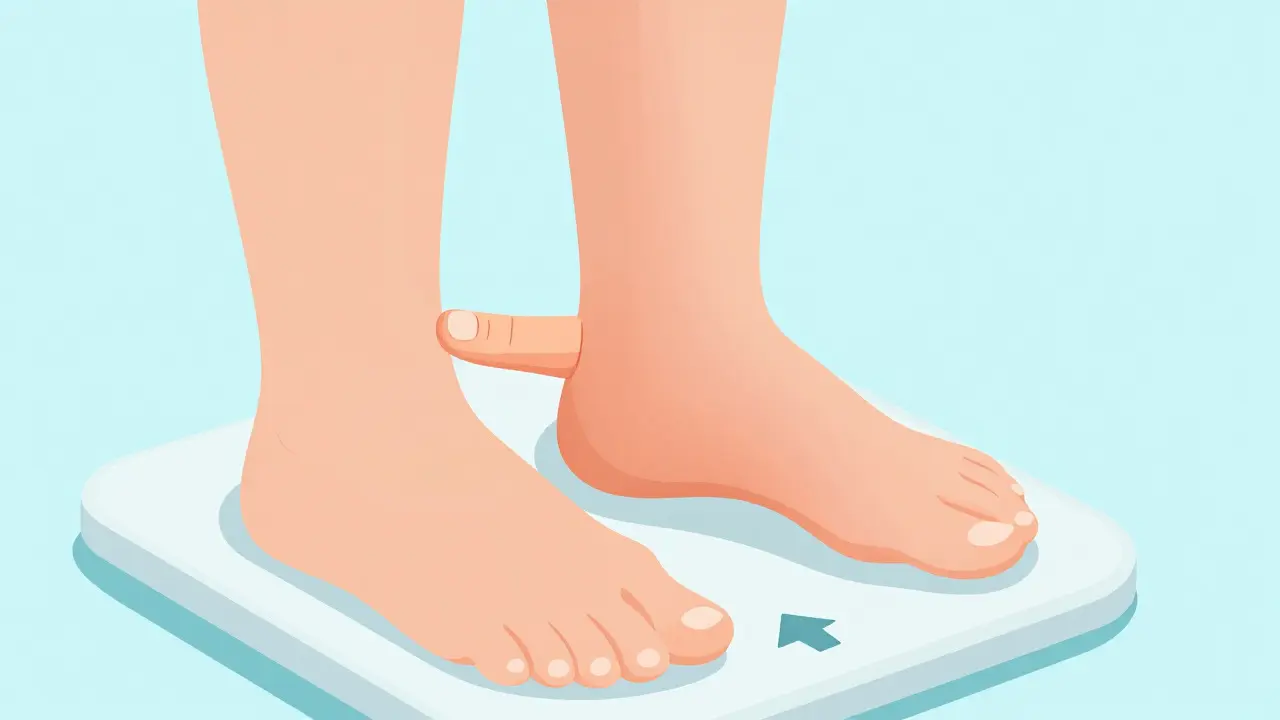
- Rapid Weight Gain: This is the most reliable indicator. Gaining more than 2-3 pounds in a week or 5 pounds in a month is a red flag. It’s likely water weight, not fat.
- Swelling in Extremities: Check your ankles, feet, and legs. Press firmly on the skin above your ankle bone. If an indentation (pit) remains for several seconds after you remove your finger, you have pitting edema.
- Shortness of Breath: If you feel winded doing tasks that used to be easy, or if you wake up gasping for air at night, fluid may be accumulating in your lungs.
- Tightness in Rings or Shoes: Sudden changes in how your jewelry or footwear fit can signal subtle swelling before it becomes visible.
If you notice any of these signs, do not ignore them. Document the weight gain and swelling, and call your doctor immediately. Do not stop taking your medication abruptly without medical advice, as this could spike your blood sugar, but seek guidance promptly.
Management Strategies and Alternatives
If you are currently taking a TZD and experiencing mild fluid retention, your doctor might adjust your treatment plan rather than stopping the drug entirely, provided your heart function is stable. Here are common management strategies:
Dietary Sodium Restriction: Since TZDs make your kidneys hold onto salt, reducing your salt intake is critical. Aim for less than 2,300 milligrams of sodium per day, or lower if advised by your physician. Avoid processed foods, canned soups, and fast food, which are hidden sources of salt.
Diuretic Therapy: Doctors often prescribe loop diuretics, such as furosemide (Lasix), to help flush out excess fluid. However, TZD-induced edema can sometimes be resistant to standard diuretic doses. This requires careful monitoring to ensure you don't lose too much potassium or dehydrate.
Switching Medications: If fluid retention persists or worsens, discontinuing the TZD usually resolves the issue. The good news is that the fluid retention is reversible once the drug is stopped. There are many other classes of diabetes medications available today that do not carry this specific risk. For example, GLP-1 receptor agonists (like semaglutide) and SGLT2 inhibitors (like empagliflozin) not only control blood sugar but often promote weight loss and have protective benefits for the heart and kidneys.
When discussing alternatives with your provider, ask about your cardiovascular health profile. Given the current landscape of diabetes care, protecting your heart is just as important as controlling your glucose levels.
Do all thiazolidinediones cause heart failure?
No, not all patients develop heart failure. However, all TZDs carry a risk of fluid retention, which can precipitate or worsen heart failure in susceptible individuals. Pioglitazone and rosiglitazone both share this side effect profile, though individual responses vary based on genetics, age, and existing health conditions.
Can I take TZDs if I have mild heart disease?
It depends on the severity. Guidelines generally advise against using TZDs in patients with NYHA Class III or IV heart failure. For patients with stable, mild heart disease (Class I-II), some experts suggest cautious use with close monitoring for weight gain and edema. Always consult your cardiologist and endocrinologist before starting.
How long does it take for fluid retention to appear?
Fluid retention can occur anywhere from a few weeks to several months after starting the medication. It is often dose-dependent, meaning higher doses may lead to faster or more severe swelling. Regular weekly weigh-ins during the first few months of treatment are recommended to catch early signs.
Is rosiglitazone (Avandia) safer than pioglitazone (Actos)?
Regarding fluid retention specifically, studies suggest both drugs have similar incidence rates of edema. Rosiglitazone has faced additional scrutiny regarding potential cardiovascular risks like heart attacks, leading to restricted access programs. Pioglitazone is more commonly prescribed today, but both require vigilance regarding fluid status.
What should I do if I gain 5 pounds in a week on TZDs?
Contact your healthcare provider immediately. Rapid weight gain is a strong indicator of fluid accumulation. Your doctor may adjust your dosage, add a diuretic, or switch you to a different class of diabetes medication to prevent progression to heart failure.