
Understanding NSAID Risks for Heart Failure Patients: A Guide to Safety

NSAID Safety Checker & Symptom Monitor
Medication Safety Check
Select a pain medication below to see its risk level for heart failure patients.
Drug Class:
Symptom Monitor
Check any symptoms you've experienced in the last 72 hours after taking pain medication:
Quick Reference Guide
| Medication Type | Examples | Risk Level | Safety Recommendation |
|---|---|---|---|
| Traditional NSAIDs | Ibuprofen, Naproxen | High | Avoid completely for heart failure |
| COX-2 Inhibitors | Celecoxib (Celebrex) | High | Avoid - similar kidney effects |
| Analgesics | Acetaminophen (Tylenol) | Low | Generally considered safest option |
| Topical Treatments | Menthol, Capsaicin creams | Low | Safer alternative - limited absorption |
What To Do If You've Taken an NSAID
📊 Monitor Weight
Weigh yourself daily. Contact doctor if you gain 2+ pounds in one day.
💨 Watch Breathing
Monitor for shortness of breath, especially when lying down or exerting effort.
🏥 When to Seek Help
If multiple symptoms appear or get worse, seek emergency care immediately.
If you live with heart failure, there is a quiet danger hiding in your medicine cabinet. Over-the-counter pain relievers, specifically Non-steroidal anti-inflammatory drugs, often known as NSAIDsmedications used to reduce inflammation and pain by inhibiting cyclooxygenase enzymes, might seem harmless for a headache or backache. However, medical experts warn that even short-term use can trigger severe complications. For someone managing heart disease, this isn't just about side effects; it is about survival.
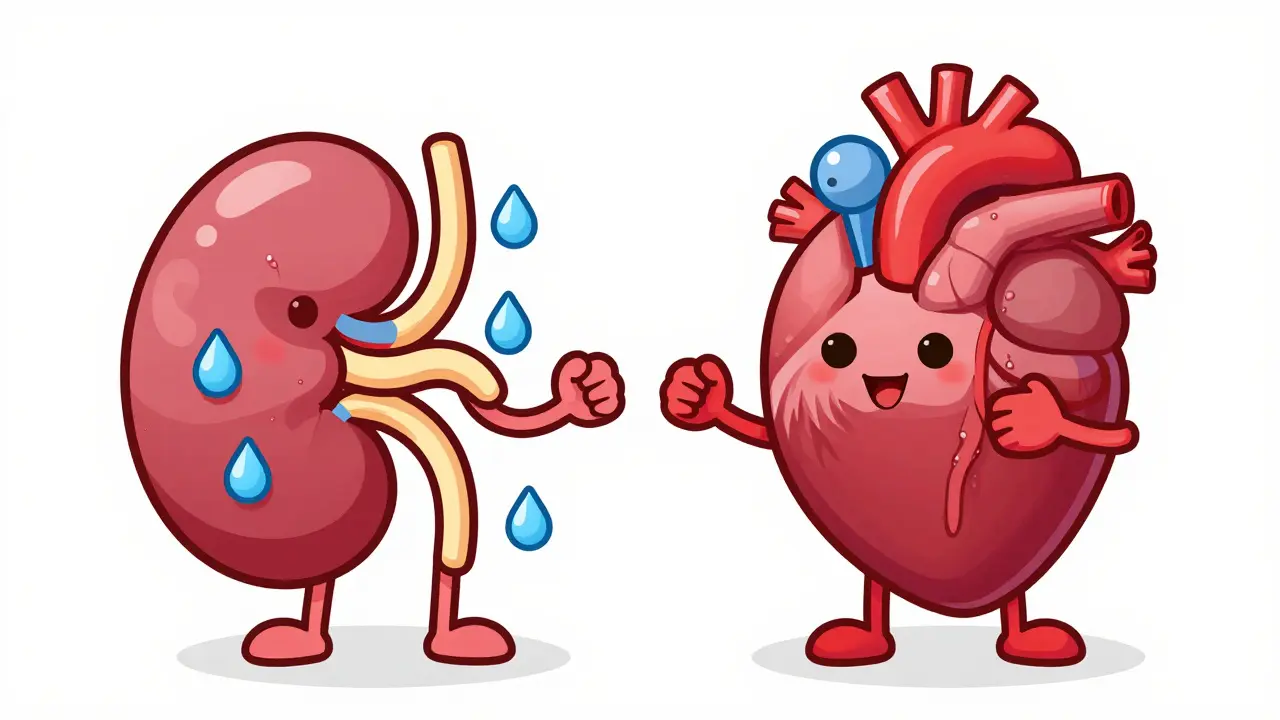
You might ask, how does a pill for pain affect my heart? The connection lies in your kidneys. Your heart pumps blood to filter waste through your kidneys. When you take NSAIDs, they change how your kidneys work, causing your body to hold onto salt and water. This extra fluid forces your struggling heart to work harder. In many cases, this small shift leads to rapid swelling and breathing issues. Recent guidelines from the American Heart Association, updated in 2023, label these drugs as "absolutely contraindicated" for heart failure patients because the risk is so high.
The Hidden Mechanism: Why Water Builds Up
To understand the risk, we need to look at the biology. Normally, your kidneys balance fluids using chemicals called prostaglandinslipid compounds that act locally and influence inflammation and blood flow. These prostaglandins help keep blood vessels in your kidneys open. When you take , they block the enzymes that make these chemicals.
Research from 2003 led by Dr. Bleumink showed that blocking these enzymes causes the kidneys to reabsorb too much sodium. Think of your kidneys as a sieve. When NSAIDs interfere, the sieve gets clogged, holding onto water that your body doesn't need. This process happens fast. Studies from 2022 in Denmark found that even taking NSAIDs for just three days significantly raised the chance of needing hospital care for heart problems. It doesn't require weeks of usage. Sometimes, just two doses can lead to noticeable weight gain from water, not fat.
This fluid buildup increases something doctors call "preload." Preload is the pressure of blood entering the heart before it pumps. If your heart is already weak, adding this extra pressure is like asking a tired runner to carry a heavy backpack. Eventually, the heart cannot pump enough oxygen-rich blood to meet the body's needs. This leads to acute decompensation, which often ends in an emergency room visit.
Comparing the Risks: Which Pills Are Unsafe?
People often think some painkillers are safer than others. While this was debated years ago, the consensus today is clear: almost every NSAID carries a risk for heart patients. Below is a breakdown of how different medications compare based on clinical data and regulatory warnings.
| Drug Class | Common Examples | Risk Level for Heart Failure | Primary Effect |
|---|---|---|---|
| Traditional NSAIDs | Ibuprofen (Advil, Motrin) | High | Rapid fluid retention |
| Traditional NSAIDs | Naproxen (Aleve) | Moderate to High | Longer half-life risk |
| COX-2 Selective Inhibitors | Celecoxib (Celebrex) | High | Similar renal impact |
Many patients worry about ibuprofen more than celecoxib because celecoxib targets a specific enzyme (COX-2) while leaving another (COX-1) alone. Early theories suggested this was gentler on the gut. However, experts like Dr. Steven E. Nissen noted in 2019 that the kidney effects remain virtually identical. New Zealand's Medsafe agency published guidance in 2019 stating that even "renal-sparing" NSAIDs increase heart failure risk. The reality is that your kidneys rely on both enzyme pathways to regulate fluid properly.
Sometimes naproxen is mentioned as having a slightly better profile compared to ibuprofen, with a relative risk factor of 0.92. But for someone diagnosed with heart failure, "slightly better" does not mean safe. The 2020 FDA warning required all NSAID labels to mention increased heart failure risk explicitly. There are essentially no exceptions for people who have existing heart damage.
The Reality of Hospitalization Risks
It is not just theoretical that these drugs cause harm. Real-world data shows a stark pattern. A 2018 survey by the American Heart Association revealed that nearly 4 out of 10 heart failure patients admitted accidentally used NSAIDs. Of those individuals, more than 60 percent experienced acute worsening of their condition requiring medical intervention.
Imagine a scenario where a patient takes two 400mg tablets of ibuprofen for knee pain. Within 72 hours, they might see a sudden weight gain of up to 10 pounds. That is pure water. They feel bloated, their ankles swell, and they struggle to breathe when lying down. A study published in the European Heart Journal in 2022 looked at Danish patients with type 2 diabetes and found odds ratios for hospital admission ranging from 1.24 to 1.88. That means taking the drug made the hospital visit almost twice as likely compared to not taking it. This applies to prescriptions and over-the-counter products alike.
The Global Heart Failure Registry reported in 2024 that patients exposed to NSAIDs within a month of discharge had 28% higher readmission rates. For a condition like heart failure, avoiding a hospital stay is vital for recovery quality. Preventing that initial trigger keeps your daily routine stable.
Safe Alternatives for Pain Management
Avoiding painkillers entirely isn't necessary, but you must choose carefully. The gold standard for pain relief in heart failure patients is Acetaminophena widely available analgesic that acts primarily on the central nervous system rather than kidneys. Unlike NSAIDs, acetatinphen does not suppress prostaglandins in the kidney in a way that holds onto water. It works well for general aches, headaches, and arthritis pain.
However, remember that acetaminophen is not anti-inflammatory. If you have severe joint inflammation, it might not feel as effective. Topical treatments are another option. Creams containing menthol or capsaicin applied directly to painful joints bypass the digestive system, reducing systemic exposure. Always discuss pain management strategies with your cardiologist before starting anything new. Some doctors may prescribe specialized topical NSAIDs, but these still carry potential absorption risks depending on skin thickness and application area.
What to Do If You Have Already Taken an NSAID
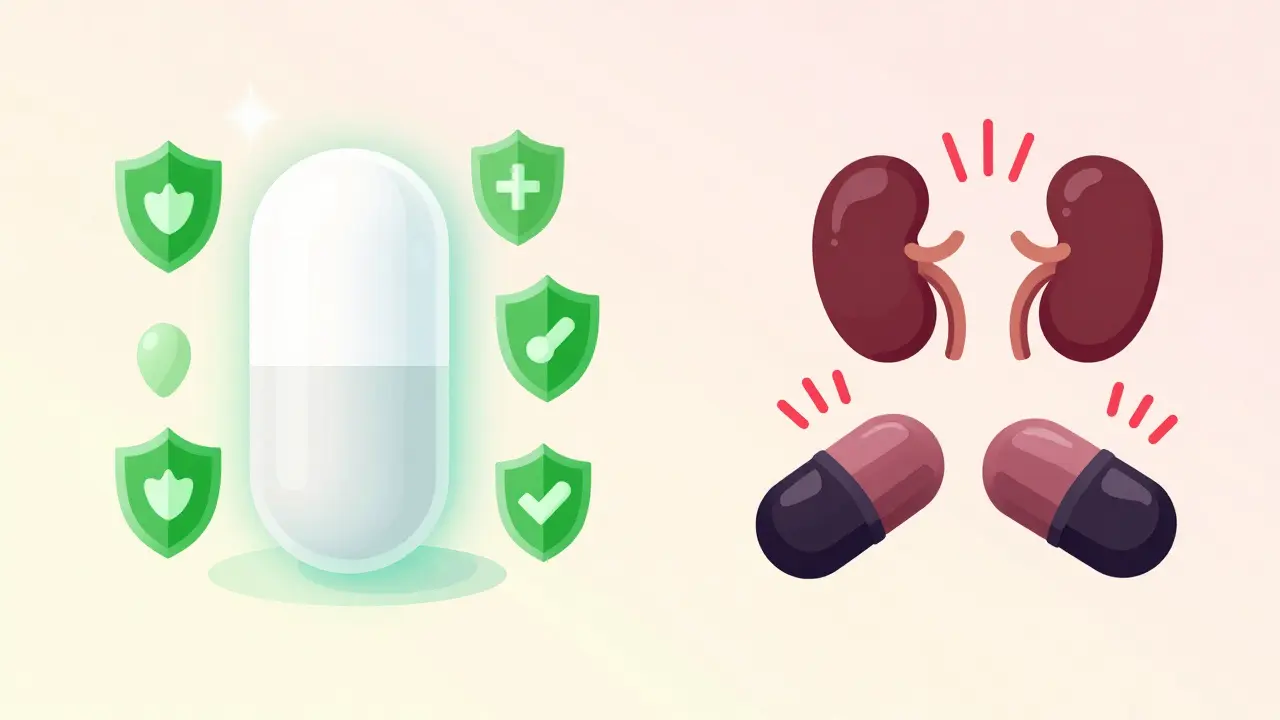
Panicking helps no one, but being alert is critical. If you realize you took ibuprofen or naproxen, monitor your weight daily. If you see an increase of 2 or more pounds in a single day, contact your doctor immediately. Watch for shortness of breath, especially when lying flat. If you notice pitting edema (pressing your shin leaves a dent that stays), seek help.
The American College of Cardiology plans to release a mobile health app in 2025 that includes alerts for medication interactions. Until then, rely on manual checks. Keep a list of all supplements and OTC meds near your phone. Educate family members. Often, relatives give pain medication without knowing the heart history of the person taking it. Clear communication prevents accidental dosing.
Guidelines and Medical Consensus
Medical associations have unified their stance on this issue. The European Society of Cardiology gives a Class III recommendation against NSAIDs for heart failure. In medical terms, this means "harm proven." Regulatory bodies like the FDA and EMA have reinforced this since 2013. The 2023 Scientific Statement on Pharmacological Management of Heart Failure solidified these rules, moving away from conditional warnings to absolute prohibitions for stages of heart failure.
Doctors generally advise checking your glomerular filtration rate (GFR). This test measures how well kidneys filter blood. If your GFR is dropping while taking NSAIDs, it is a sign of strain. Regular monitoring of sodium intake is also essential since NSAIDs blunt the effectiveness of diuretics (water pills). Taking a painkiller might render your prescribed water pill useless, defeating your entire treatment plan.
Can I take Advil occasionally for a headache if I have heart failure?
No. Even occasional use poses a significant risk. The FDA and cardiology guidelines state that all NSAIDs, including ibuprofen (Advil), should be avoided completely by heart failure patients due to the high risk of fluid retention and worsening heart function.
Is aspirin safe for heart failure patients compared to other NSAIDs?
Aspirin is unique among NSAIDs because it is often used at low doses to prevent clots. However, high-dose aspirin acts as a traditional NSAID and carries similar kidney risks. Always consult your cardiologist before using aspirin for pain relief versus clot prevention.
How quickly do symptoms appear after taking an NSAID?
Symptoms can appear rapidly, sometimes within 24 to 72 hours. Common signs include rapid weight gain, leg swelling, and difficulty breathing. Monitor your weight closely if you suspect accidental exposure.
Does naproxen (Aleve) have lower risks than ibuprofen?
While some older studies suggested naproxen has a slightly better cardiovascular profile, current guidelines from the American Heart Association recommend avoiding all NSAIDs for heart failure patients. The difference in risk is not significant enough to consider it safe.
What painkillers are truly safe for heart failure patients?
Acetaminophen (Tylenol) is generally considered the safest alternative for pain relief. It does not cause the same kidney-related fluid retention. Topical creams like capsaicin or menthol are also safer options that avoid systemic circulation.