
Diabetes Medication Interactions: Drug Combinations That Need Caution
Diabetes Medication Interaction Checker
Select Medications
Interaction Results
Select two medications above and click "Check Interaction" to see potential risks and recommendations.
You take your morning pill for blood sugar. You also take a statin for cholesterol and maybe an antibiotic for that lingering cough. It sounds routine, right? But what if those three pills are fighting each other in your bloodstream? For people managing diabetes, medication interactions aren't just a minor side note-they can mean the difference between stable health and a trip to the emergency room.
The landscape of diabetes care has shifted dramatically. With the American Diabetes Association (ADA) updating its Standards of Care in 2025, the focus is no longer just on lowering numbers. It’s about doing so safely without triggering dangerous lows or masking heart issues. If you are combining older drugs with newer therapies, or even mixing diabetes meds with common over-the-counter treatments, you need to know which combinations act like landmines.
Why Your Liver and Kidneys Are the Bottleneck
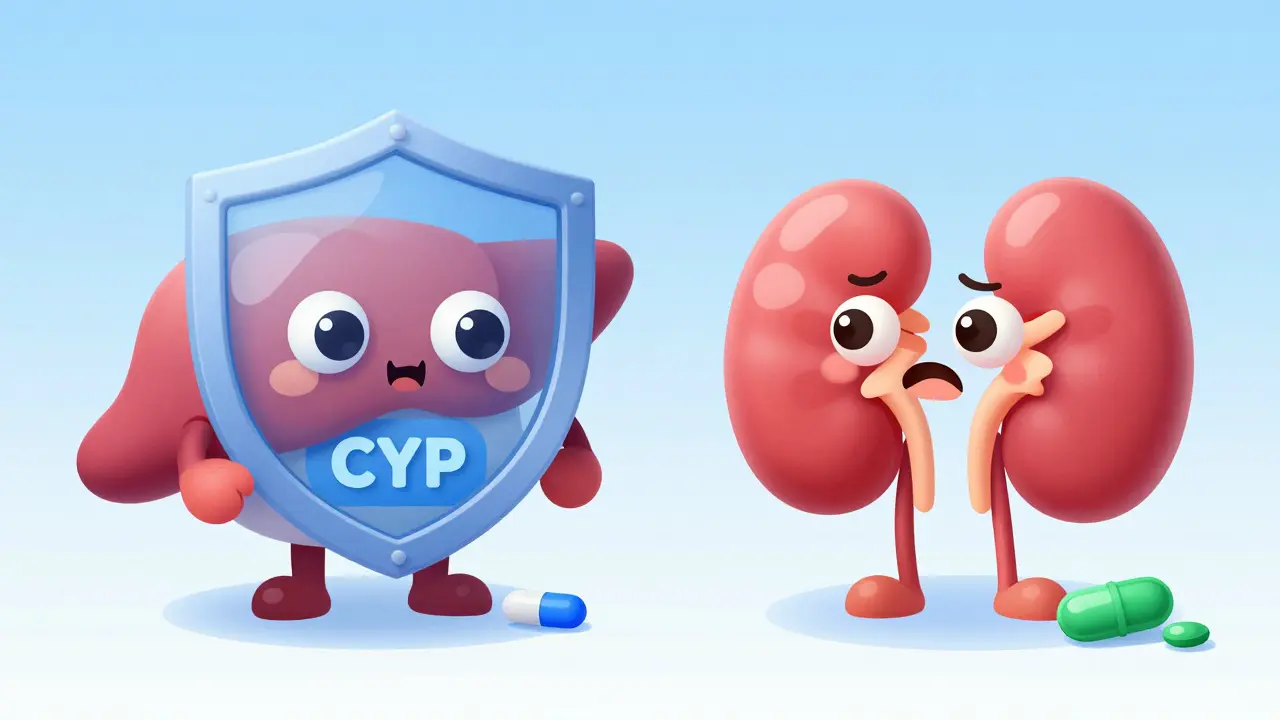
To understand why certain drugs clash, you have to look at where they go to die-or rather, where they get broken down. Most oral diabetes medications rely on specific enzymes in your liver to clear out of your system. The big players here are the Cytochrome P450 family, specifically CYP3A4, CYP2C8, and CYP2C9.
When you introduce another drug that blocks these enzymes, your diabetes medication stays in your body much longer than intended. This isn't a gradual change; it can spike your drug levels rapidly. Take Repaglinide, a meglitinide used to stimulate insulin release. It relies heavily on CYP3A4 and CYP2C8. If you take a strong inhibitor like ketoconazole (an antifungal) or certain antibiotics, your repaglinide levels can skyrocket. The result? Severe, unexpected hypoglycemia.
Kidney function plays an equally critical role, especially for Metformin. Metformin doesn't get processed by liver enzymes; it exits through the kidneys. If you have reduced kidney function or take drugs that impair renal clearance, metformin builds up. This increases the risk of lactic acidosis, a rare but life-threatening condition. Always check your eGFR (estimated glomerular filtration rate) before starting or continuing metformin, especially if you are adding new medications that affect kidney blood flow.
The Dangerous Duo: Insulin and Thiazolidinediones
Not all interactions cause low blood sugar. Some hide serious physical symptoms until it's too late. One of the most cautioned combinations in current guidelines involves Insulin and Rosiglitazone (or other thiazolidinediones like pioglitazone).
Rosiglitazone works by making your cells more sensitive to insulin, which is great for blood sugar control. However, it causes fluid retention. When you combine this with insulin-which also promotes sodium and water retention-you create a perfect storm for edema (swelling) and exacerbating heart failure. The ADA explicitly flags this combination for patients with existing heart conditions. If you notice sudden weight gain, swollen ankles, or shortness of breath while on this mix, do not ignore it as "just aging." It could be your heart struggling under the fluid load.
Newer Agents: Lower Risk, Higher Reward?
If older drugs seem risky, you might wonder if the newer classes are safer. Generally, yes. GLP-1 Receptor Agonists (like semaglutide or liraglutide) and SGLT-2 Inhibitors (like empagliflozin or dapagliflozin) have significantly lower interaction potentials because they don't rely heavily on the CYP enzyme system for metabolism.
This makes them preferred partners in combination therapy. Current guidelines prioritize GLP-1 RA plus insulin combinations over insulin alone because they provide superior glycemic control with a reduced risk of hypoglycemia. SGLT-2 inhibitors work by flushing glucose out through urine, a mechanical process less prone to chemical interference from other drugs. However, "low risk" does not mean "no risk." SGLT-2 inhibitors carry a risk of euglycemic diabetic ketoacidosis (DKA), especially if you are dehydrated or fasting, and this risk can be complicated by other medications affecting fluid balance.
What About Common Non-Diabetes Drugs?
Your diabetes meds don't exist in a vacuum. They interact with everything else you swallow. Here are the most common culprits found in medicine cabinets:
- Corticosteroids: Prednisone and similar steroids raise blood sugar sharply. If you are on insulin or sulfonylureas, you may need temporary dose adjustments when taking steroids for inflammation or asthma.
- Diuretics: Thiazide diuretics (for blood pressure) can reduce insulin sensitivity, potentially raising blood glucose levels. Loop diuretics can cause dehydration, complicating SGLT-2 inhibitor use.
- Quinine: Used for leg cramps, quinine can trigger severe hypoglycemia when combined with sulfonylureas or insulin.
- Somatostatin Analogues: These drugs (used for acromegaly or certain tumors) have a unique dual effect. They can suppress both insulin and glucagon secretion, leading to unpredictable swings between high and low blood sugar.
Red Flags: Combinations to Avoid Completely
Some combinations are simply redundant or dangerous due to overlapping mechanisms. The ADA specifically prohibits combining DPP-4 Inhibitors (like sitagliptin) with GLP-1 Receptor Agonists. Why? Because GLP-1 RAs essentially mimic the action that DPP-4 inhibitors try to preserve. Taking both offers no additional benefit but increases cost and potential side effects like nausea.
Another major red flag is combining multiple secretagogues-drugs that force your pancreas to pump out insulin. Mixing a sulfonylurea with a meglitinide is generally discouraged unless under very strict specialist supervision, as the additive effect drastically increases hypoglycemia risk without significant improvement in A1c.
| Drug Class A | Drug Class B / Interacting Agent | Potential Outcome | Mechanism |
|---|---|---|---|
| Meglitinides (Repaglinide) | Azole Antifungals / Macrolide Antibiotics | Severe Hypoglycemia | CYP3A4/CYP2C8 inhibition |
| Insulin | Rosiglitazone (Thiazolidinedione) | Edema / Heart Failure Worsening | Additive fluid retention |
| DPP-4 Inhibitors | GLP-1 Receptor Agonists | No Added Benefit / Increased Side Effects | Redundant Mechanism |
| Metformin | Contrast Dye / Nephrotoxic Drugs | Lactic Acidosis Risk | Renal Impairment |
| Sulfonylureas | Quinine / Fluoroquinolones | Hypoglycemia | Increased Secretion / Decreased Clearance |
Monitoring and Mitigation Strategies
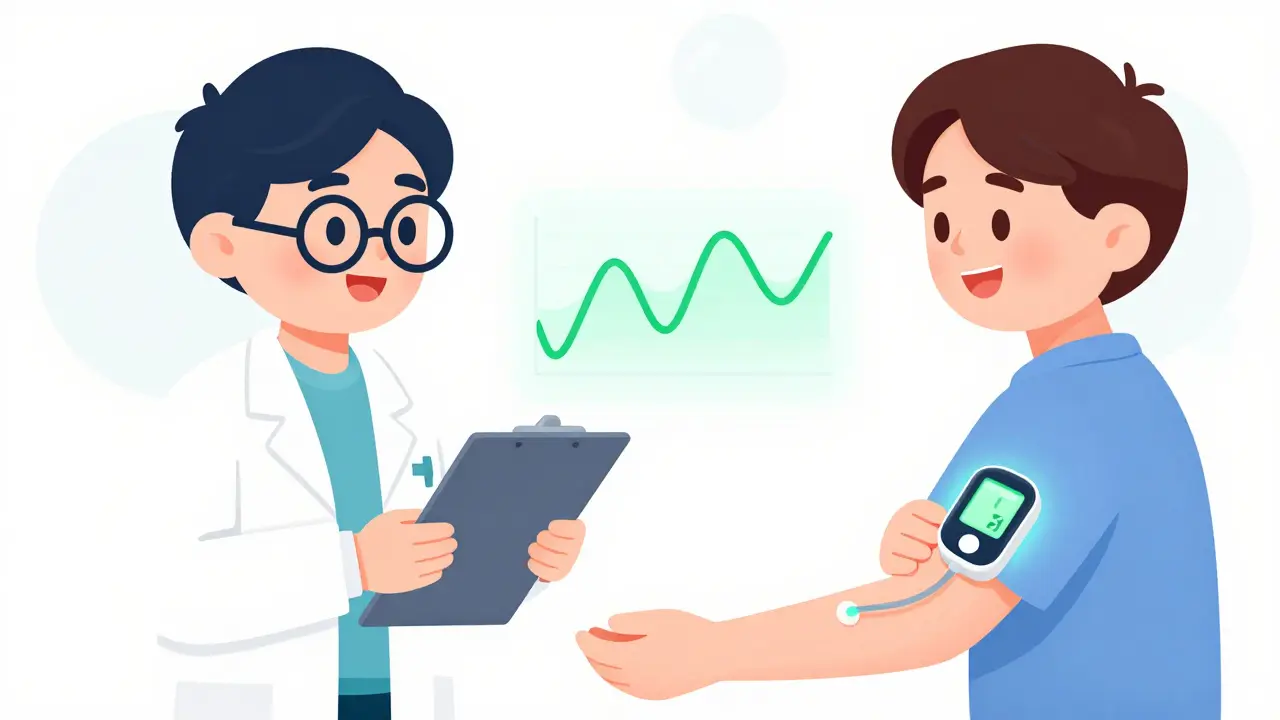
Knowledge is power, but monitoring is safety. If you are on a complex regimen, you cannot rely on feeling fine. Hypoglycemia can sneak up on you, and hyperglycemia can be silent for weeks. Continuous Glucose Monitors (CGMs) are becoming the gold standard for detecting these interaction-driven fluctuations early. They show trends, not just snapshots.
When starting any new medication-even a simple cold remedy-ask two questions: Does this affect my liver enzymes? Does this affect my kidneys? Keep a updated list of all prescriptions, over-the-counter drugs, and supplements. Share this list with every provider you see. Pharmacists are often the best resource for spotting these interactions before they happen. Don't hesitate to ask, "Will this interact with my diabetes meds?" It’s not an annoying question; it’s a necessary one.
Can I take ibuprofen with my diabetes medication?
Occasional use of ibuprofen is generally safe for most people with diabetes. However, long-term or high-dose use of NSAIDs like ibuprofen can affect kidney function. Since many diabetes drugs (especially metformin and SGLT-2 inhibitors) rely on healthy kidneys, chronic NSAID use requires monitoring of your renal function to prevent accumulation of diabetes meds and potential toxicity.
Why are GLP-1 agonists considered safer regarding interactions?
GLP-1 receptor agonists (such as semaglutide and tirzepatide) are primarily cleared via proteolytic breakdown rather than hepatic CYP450 enzymes. This means they are less likely to have their blood levels altered by other drugs that inhibit or induce liver enzymes, resulting in a more predictable pharmacokinetic profile compared to older oral agents like sulfonylureas or meglitinides.
What should I do if I experience unexplained low blood sugar?
If you experience recurrent hypoglycemia without changes in diet or exercise, review all recent medication additions, including over-the-counter drugs and supplements. Inform your healthcare provider immediately. They may need to adjust your dosage or switch you to a medication with a lower hypoglycemia risk, such as an SGLT-2 inhibitor or GLP-1 RA, depending on your clinical profile.
Does grapefruit juice interact with diabetes medications?
Grapefruit juice inhibits CYP3A4 enzymes. While it is famously known for interacting with statins, it can also increase the absorption and effectiveness of certain diabetes medications metabolized by this pathway, such as some formulations of repaglinide or rosiglitazone. This can lead to unexpectedly high drug levels and increased risk of side effects like hypoglycemia or edema.
Are there natural supplements that interfere with diabetes drugs?
Yes. Supplements like cinnamon, berberine, and alpha-lipoic acid have mild blood-sugar-lowering effects. When taken alongside prescription antidiabetics, they can amplify the effect and cause hypoglycemia. Additionally, St. John's Wort induces liver enzymes, which can speed up the metabolism of certain diabetes drugs, reducing their effectiveness and leading to poor glycemic control.