
Hemorrhoids: Internal vs. External and What Actually Works for Treatment
More than three out of four people will deal with hemorrhoids at some point in their life. Yet most of them don’t know the difference between internal and external hemorrhoids-or how to treat them properly. You might think it’s just a minor annoyance, but ignoring it can turn a manageable issue into something painful and disruptive. The good news? You don’t need to suffer in silence. Knowing what’s happening inside your body is the first step to fixing it.
What Exactly Are Hemorrhoids?
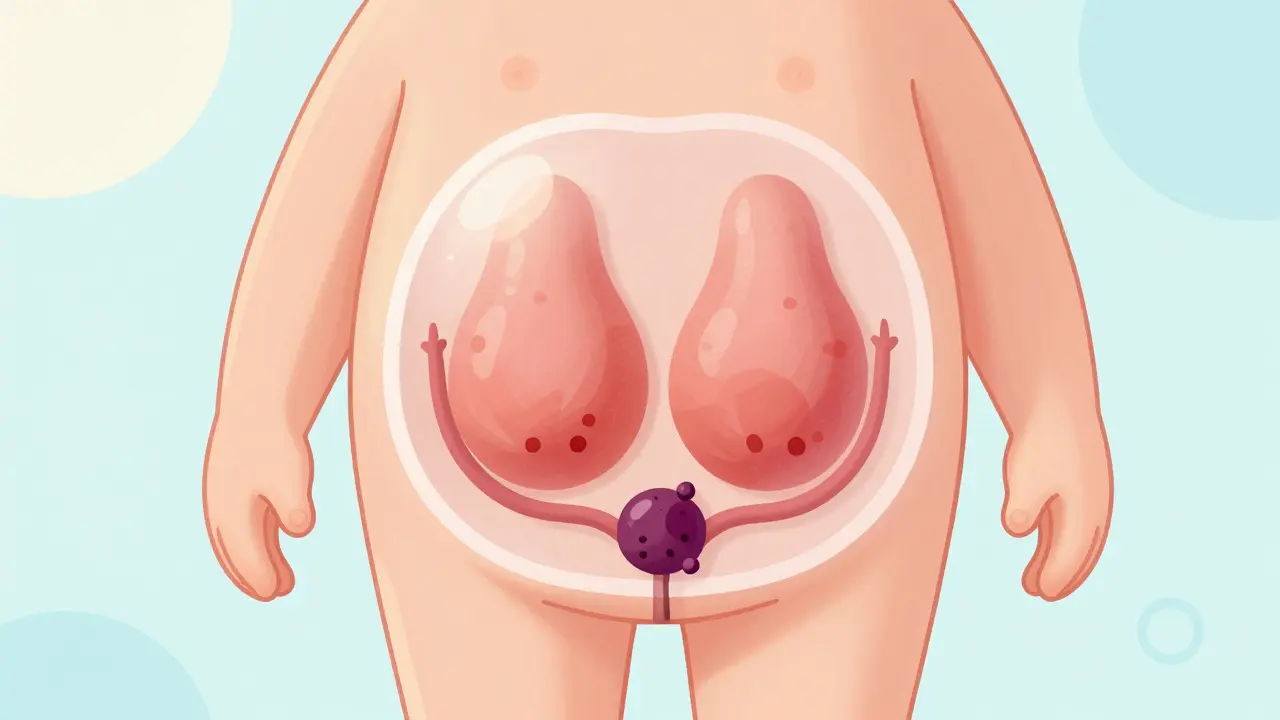
Hemorrhoids aren’t some weird abnormality-they’re normal blood vessels that help you control bowel movements. Think of them like cushions inside your rectum and around your anus. They work fine until they get swollen from too much pressure. That’s when they become a problem.
The key difference between internal and external hemorrhoids comes down to location. Internal hemorrhoids form inside the rectum, above a line called the dentate line. This area doesn’t have pain nerves, so even when they swell, you often won’t feel pain. External hemorrhoids form just outside the anus, under the skin. That area is packed with nerves. So if they swell, you feel it-badly.
Internal Hemorrhoids: Silent but Not Harmless
If you’ve ever wiped and seen bright red blood, you might be dealing with internal hemorrhoids. That’s their signature symptom: painless bleeding during or after a bowel movement. The blood usually shows up on toilet paper, in the bowl, or streaking your stool. It’s alarming, but it’s rarely dangerous-unless it keeps happening.
Internal hemorrhoids are graded from I to IV based on how far they prolapse (protrude):
- Grade I: Bleed but don’t prolapse.
- Grade II: Prolapse when you strain but pop back in on their own.
- Grade III: Prolapse and need to be pushed back in by hand.
- Grade IV: Stay outside permanently and can’t be pushed back.
Grade IV is the most serious. You might feel a constant fullness, pressure, or even mucus leakage. It’s not just uncomfortable-it can mess with your daily life. And while internal hemorrhoids don’t usually hurt, if they prolapse too far, they can get trapped outside, cutting off blood flow. That’s called strangulation, and it’s a medical emergency.
External Hemorrhoids: Pain You Can’t Ignore
External hemorrhoids are the ones you can see and feel. They show up as soft, skin-colored lumps around the anus. But the real trouble starts when they thrombose-that means a blood clot forms inside.
Thrombosed external hemorrhoids are brutal. They turn into hard, purple or blue lumps that feel like a marble under your skin. The pain hits fast and hard. Sitting, walking, even coughing can feel unbearable. This isn’t just itching or discomfort-it’s sharp, throbbing pain that peaks within 48 hours.
Unlike internal hemorrhoids, external ones rarely bleed unless they’re irritated or scratched. But the swelling and pain make them impossible to ignore. Many people delay seeing a doctor because they’re embarrassed. But waiting too long can make treatment harder.
Why It’s Easy to Mistake Hemorrhoids for Something Worse
Rectal bleeding sounds like hemorrhoids. But it’s not always. Anal fissures-small tears in the anal lining-also cause bleeding and pain. The difference? Fissures hurt like a knife wound during bowel movements. Hemorrhoids cause more of a dull ache, itching, or pressure.
And here’s the big red flag: if you’re over 50, have unexplained weight loss, or notice changes in bowel habits (like diarrhea that won’t quit or narrow stools), bleeding could signal colon cancer, Crohn’s disease, or ulcerative colitis. Hemorrhoids are common-but they’re also a distraction. Don’t assume it’s just hemorrhoids if something feels off. A quick exam by a doctor can rule out the serious stuff.
Home Treatments That Actually Work
For mild cases, you don’t need surgery. You need lifestyle changes-and they work better than most OTC creams.
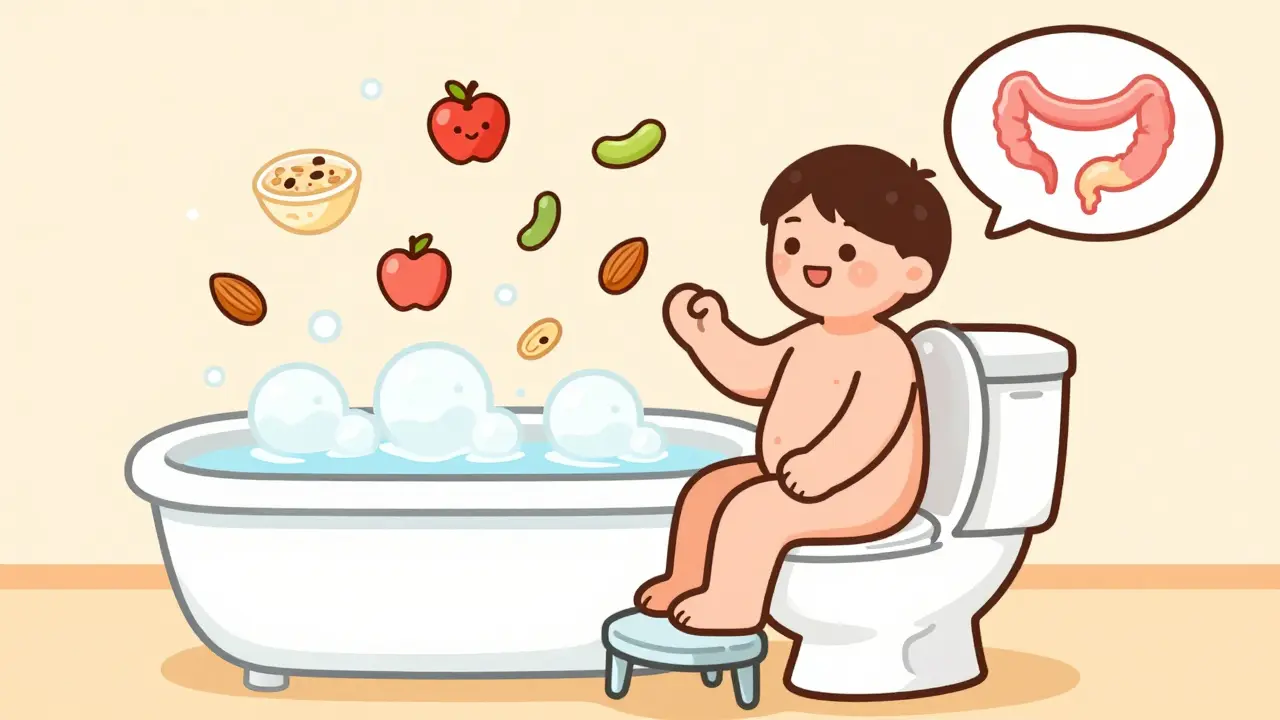
- Get more fiber: Aim for 25-30 grams a day. That’s two cups of beans, a big bowl of oatmeal, an apple with skin, and a handful of almonds. Fiber softens stool so you don’t have to strain.
- Drink water: At least 8-10 glasses daily. Fiber without water just makes things worse.
- Don’t sit on the toilet longer than 5 minutes: Reading or scrolling adds pressure. Use a small footstool to raise your knees above your hips. That simple trick reduces rectal pressure by 30%.
- Sitz baths: Soak in warm (not hot) water for 15 minutes, 2-3 times a day. It reduces swelling and soothes irritation.
- Avoid heavy lifting: Straining during workouts or moving furniture can trigger flare-ups.
Over-the-counter creams with hydrocortisone can help with itching. Witch hazel pads cool the area. But creams won’t fix the root cause. If you’re still bleeding or in pain after a week, it’s time to see a doctor.
When Home Care Isn’t Enough
If your hemorrhoids keep coming back or won’t shrink, minimally invasive procedures are highly effective.
For internal hemorrhoids:
- Rubber band ligation: A tiny band is placed around the base of the hemorrhoid. It cuts off blood flow. The tissue shrinks and falls off in a few days. It’s 90% effective for Grades I-III. You might feel pressure or cramping for a day or two.
- Sclerotherapy: A chemical is injected to shrink the vein. Less effective than banding but good for early-stage cases.
- Infrared coagulation: Heat is used to seal the blood vessels. It’s quick and has little downtime.
For thrombosed external hemorrhoids:
- Incision and drainage: If you’re in severe pain and it’s been less than 72 hours, a doctor can make a small cut to remove the clot. Pain relief is almost immediate.
For severe or recurring cases:
- Hemorrhoidectomy: Surgical removal. It’s the gold standard. Success rate? 95%. Recovery? 2-4 weeks. You’ll need pain meds, but the relief lasts.
- Stapled hemorrhoidopexy: Used mainly for prolapsed internal hemorrhoids. It repositions the tissue instead of removing it. Less pain than traditional surgery, but higher chance of recurrence.
What Doesn’t Work (And Why You Should Avoid It)
There’s a whole industry selling “miracle cures” for hemorrhoids: herbal supplements, essential oil creams, detox teas, and online “cure” programs. None of them are backed by science.
The American Society of Colon and Rectal Surgeons and the American Gastroenterological Association agree: stick to proven methods. These products don’t shrink hemorrhoids-they just make you spend money and waste time.
And don’t try to pop or cut them yourself. That’s how infections start.
Prevention Is the Real Cure
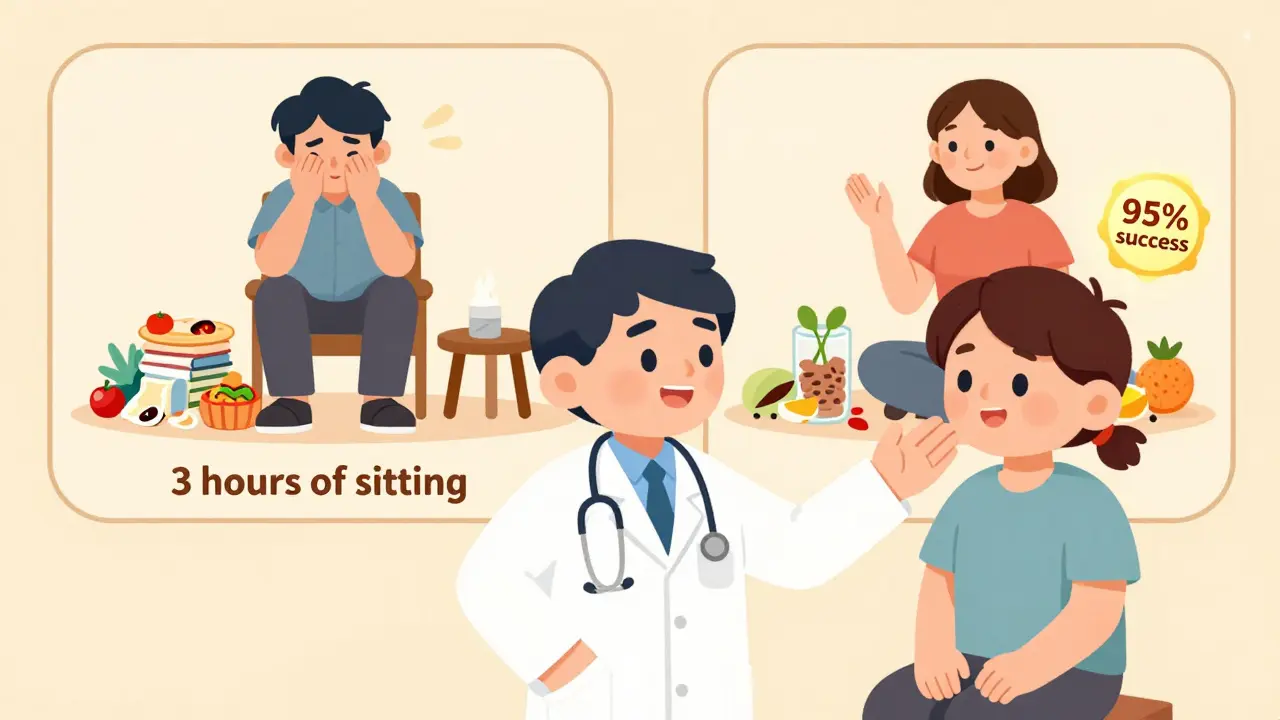
After treatment, 5-10% of people get hemorrhoids again-if they stick to healthy habits. If they don’t? Up to 50% come back.
For pregnant women-who are 25-35% more likely to develop them-side sleeping and pelvic floor exercises help reduce pressure. After childbirth, fiber and hydration are even more critical.
Even if you’ve had surgery, if you go back to sitting for hours, eating junk food, and straining on the toilet, you’re setting yourself up for another round.
The real fix isn’t a cream or a procedure. It’s changing how you live.
When to See a Doctor
You don’t need to wait until it’s unbearable. Call a doctor if:
- Bleeding lasts more than a week or gets worse.
- Pain stops you from sitting, walking, or sleeping.
- You feel dizzy, weak, or light-headed-signs you’re losing too much blood.
- Changes in bowel habits: new constipation, diarrhea, or narrow stools.
- You’re over 50 and haven’t had a colon cancer screening.
There’s no shame in getting help. Most doctors see hemorrhoids every day. They’ve heard it all. The sooner you go, the less invasive the treatment.
Can hemorrhoids turn into cancer?
No, hemorrhoids do not turn into cancer. But rectal bleeding-common with hemorrhoids-is also a symptom of colorectal cancer. That’s why any new or persistent bleeding needs to be checked out. A doctor can tell the difference with a simple exam or colonoscopy.
Is it normal for hemorrhoids to come back after treatment?
Yes, if you go back to the habits that caused them in the first place. Straining, low fiber, sitting too long, and not drinking water are the top reasons hemorrhoids return. With proper lifestyle changes, recurrence drops from 50% to under 10%.
Can I use witch hazel on internal hemorrhoids?
Witch hazel pads are for external use only. You can’t apply them inside the rectum. For internal hemorrhoids, focus on fiber, hydration, and sitz baths. If symptoms persist, see a doctor for procedures like rubber band ligation.
How long does it take for a thrombosed hemorrhoid to heal?
Without treatment, a thrombosed hemorrhoid can take 1-2 weeks to shrink on its own. But the pain peaks in the first 48 hours. If you get it drained within 72 hours, pain usually drops by 80% right away. Waiting too long means more discomfort and longer healing.
Do hemorrhoids go away on their own?
Mild cases can improve in a few days with home care-especially if you increase fiber and hydration. But if they’re prolapsed, thrombosed, or bleeding heavily, they won’t disappear without medical help. Don’t wait for them to fix themselves.
Final Thought: It’s Not Embarrassing-It’s Medical
One study found 68% of people waited over six months before seeing a doctor because they were too embarrassed. That’s a long time to suffer. Hemorrhoids are a medical condition-not a personal failure. Doctors don’t judge. They fix things.
If you’ve been dealing with this for weeks, months, or years, you don’t have to keep living with it. The tools to fix it exist. You just need to take the first step.
14 Comments
I thought it was just me being lazy until I read this. Now I know why my butt hates me. Fiber and water changed my life. No more sitting on the toilet scrolling like a zombie.
This is so important. In India, so many people suffer in silence because it's taboo to talk about. I showed this to my mom and she finally went to the doctor. She had Grade III and got banding done. Now she's active again. Thank you for normalizing this.
As a nurse who's seen hundreds of cases, I can confirm: 90% of people don't need surgery. The real issue? They wait too long. I've had patients come in after 2 years of bleeding because they thought it was 'just hemorrhoids.' Don't be that person. Get checked. It takes 10 minutes.
Bro the sitz bath thing is real. I did it after my third kid and it felt like my soul returned to my body. Also, stop using those wipes with alcohol. They're basically sandpaper for your butt. Warm water and a soft towel. That's the holy grail.
You don't need a miracle cure. You need consistency. Fiber isn't a trend. Hydration isn't a hack. Sitting less isn't a lifestyle choice-it's survival. This isn't about fixing your butt. It's about reclaiming your dignity. One bowel movement at a time.
Yeah right. Everyone says 'just eat more fiber' like it's magic. What about people with IBS? Or Crohn's? This article is just corporate wellness fluff. Real people have real conditions that don't fit into your oatmeal poster.
Rubber band ligation is 90% effective? Source? I checked the ASCRS guidelines. That number is for Grade II only. Grade III drops to 72%. This article is misleading. Also, witch hazel has no clinical evidence. Don't trust influencers with medical advice.
America's healthcare system is broken. You need a $300 copay to get a rectal exam? Meanwhile, people in Canada get it done for free. This isn't about hemorrhoids. It's about access. Stop telling people to 'just see a doctor' when they can't afford to.
I had a thrombosed one last year. Waited 5 days. Regret everything. Pain was nuclear. Doctor drained it in 5 minutes. Instant relief. Why do people think they can tough it out? You wouldn't wait to treat a broken leg. Don't do it with your ass.
Lol I tried the footstool. Now my cat uses it as a throne. Also, I ate 3 cups of beans. My farts could wake the dead. This advice is great for people who don't have roommates.
I'm a 34-year-old mom of two and this changed everything. I used to be terrified to talk about it, but now I tell my girlfriends. We all do sitz baths together. It's like a spa night but with more butt talk. And yes, I use emojis 🍎💧🛁. You're not alone. We're in this together.
I work with postpartum patients daily. The number of women who think bleeding after birth is 'normal' is terrifying. I hand out this article like candy. Fiber + hydration + pelvic floor rehab = survival. And yes, you can poop without crying. It's possible.
People need to stop being so lazy. If you can't eat vegetables, don't complain about hemorrhoids. This isn't a medical issue-it's a moral failure. You chose junk food. You chose sitting. You chose pain. Stop acting like it's someone else's fault.
The fundamental fallacy in this discourse lies in the implicit assumption that physiological dysfunction can be remediated solely through behavioral modification, without addressing the broader pathophysiological and sociomedical determinants of anorectal venous congestion.